
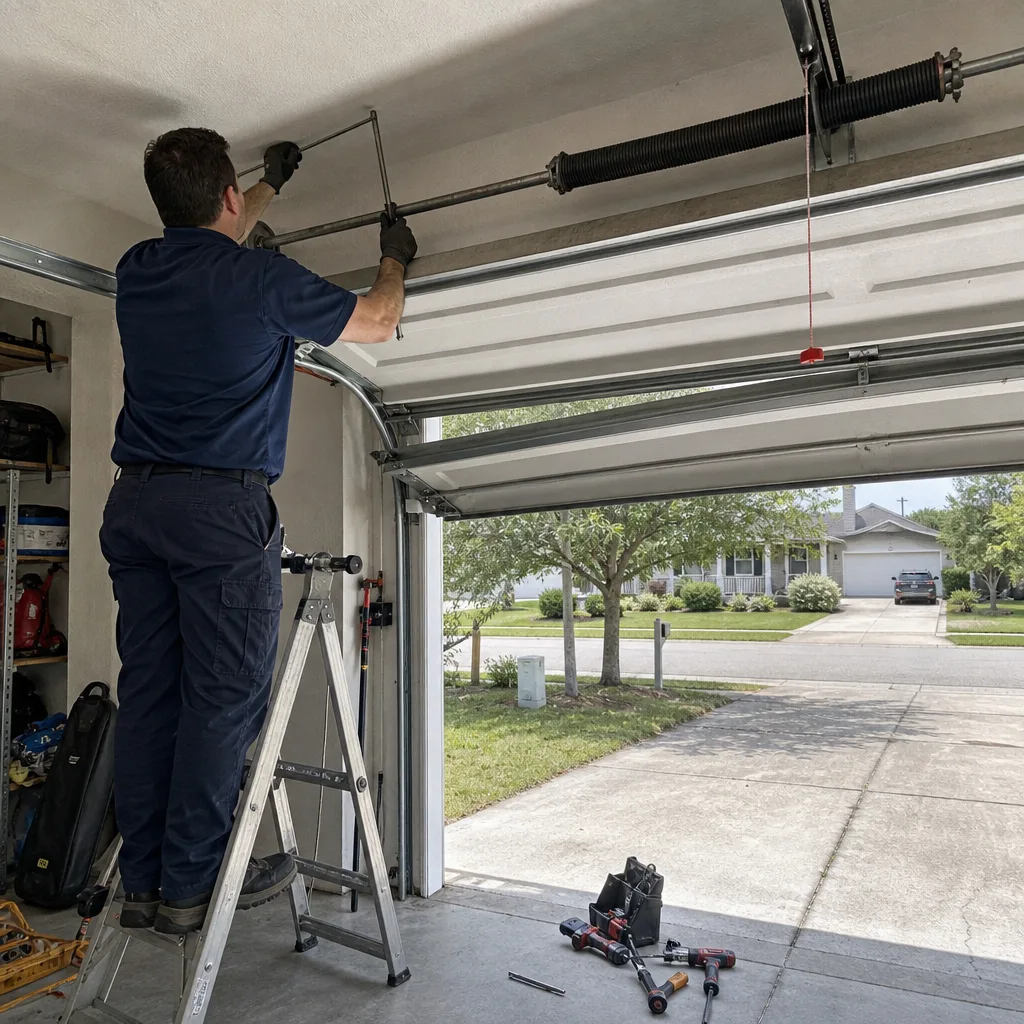
Last updated November 22, 2026
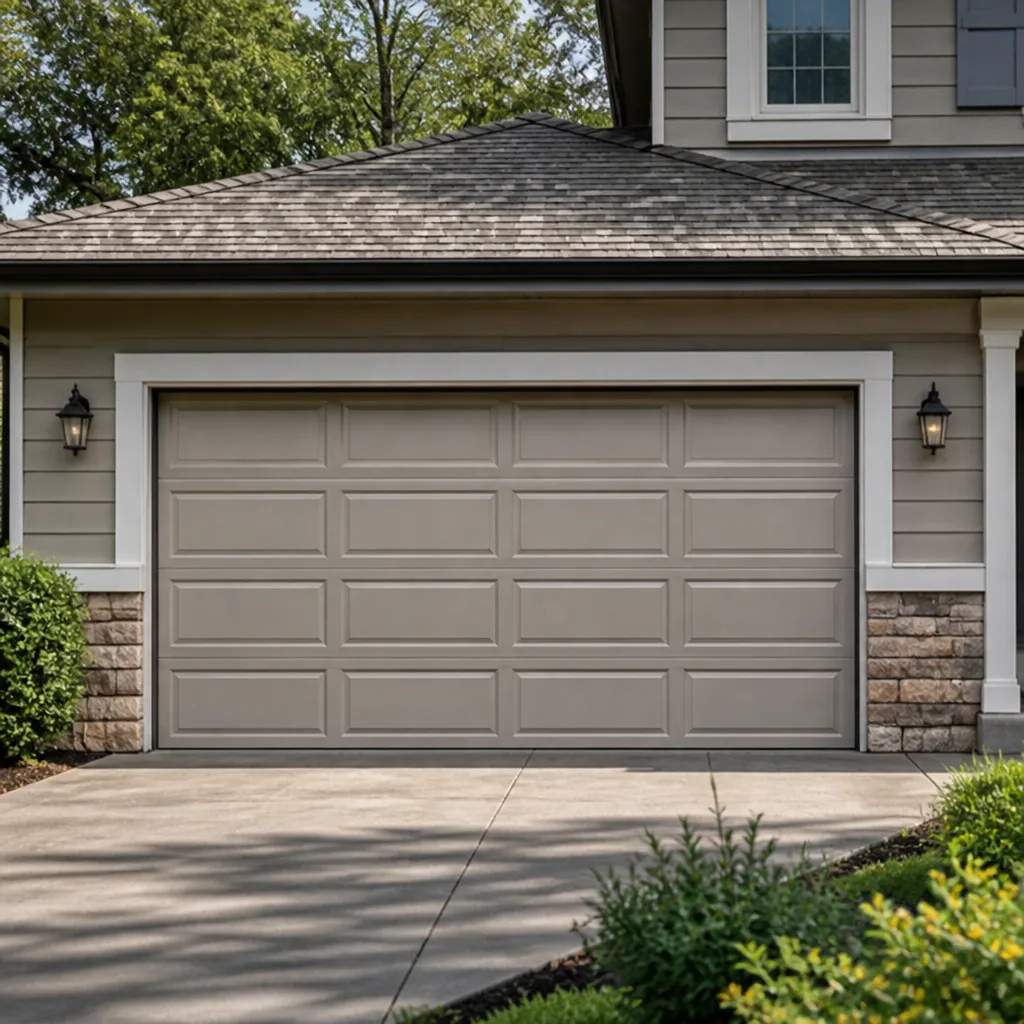 Raised-panel steel
 Carriage house
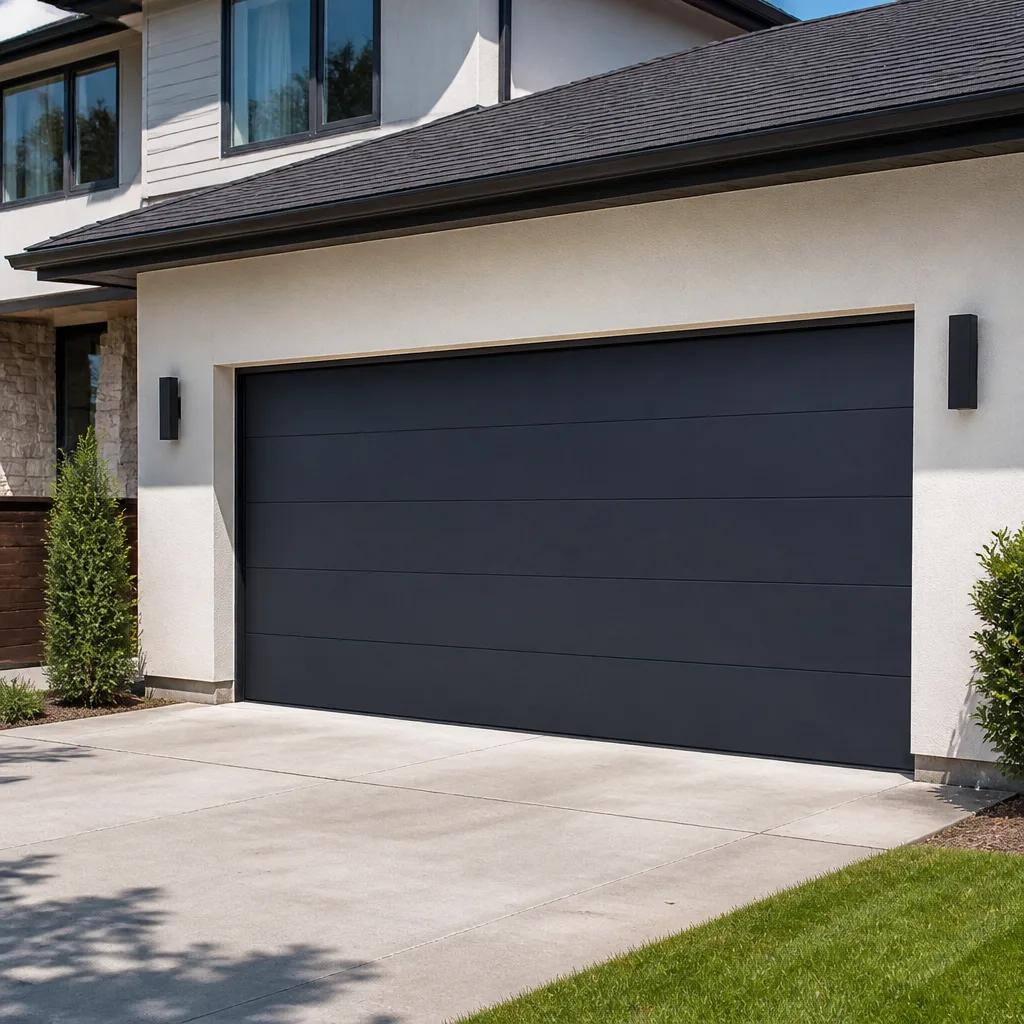 Modern flush
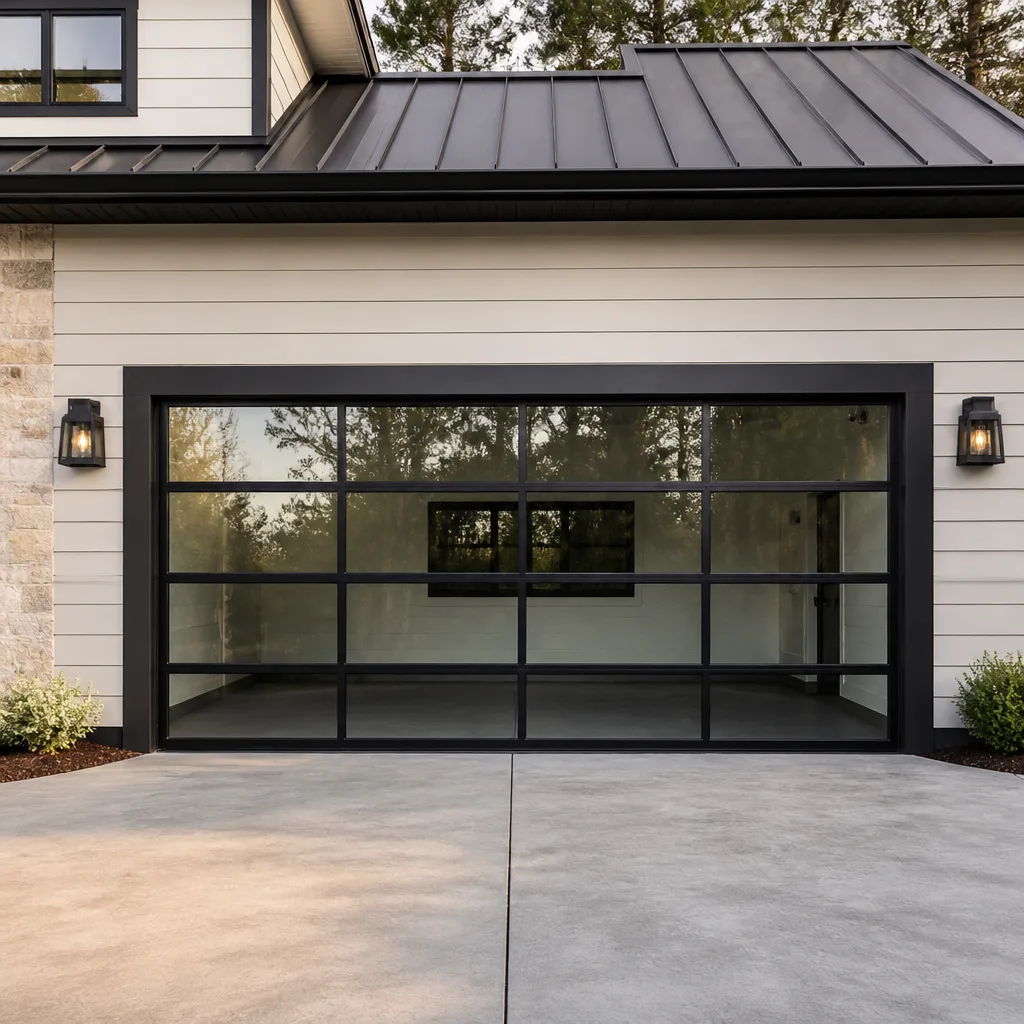 Full-view glass
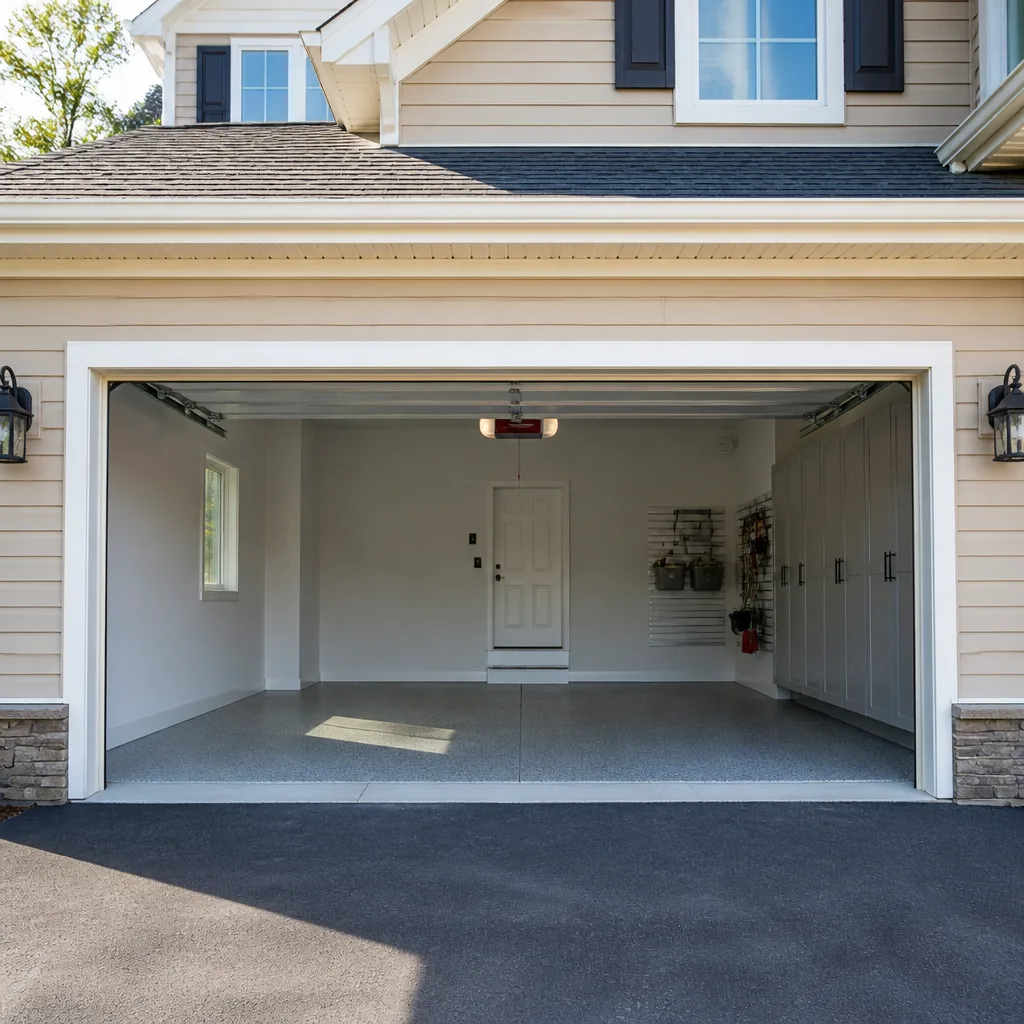 LiftMaster openers
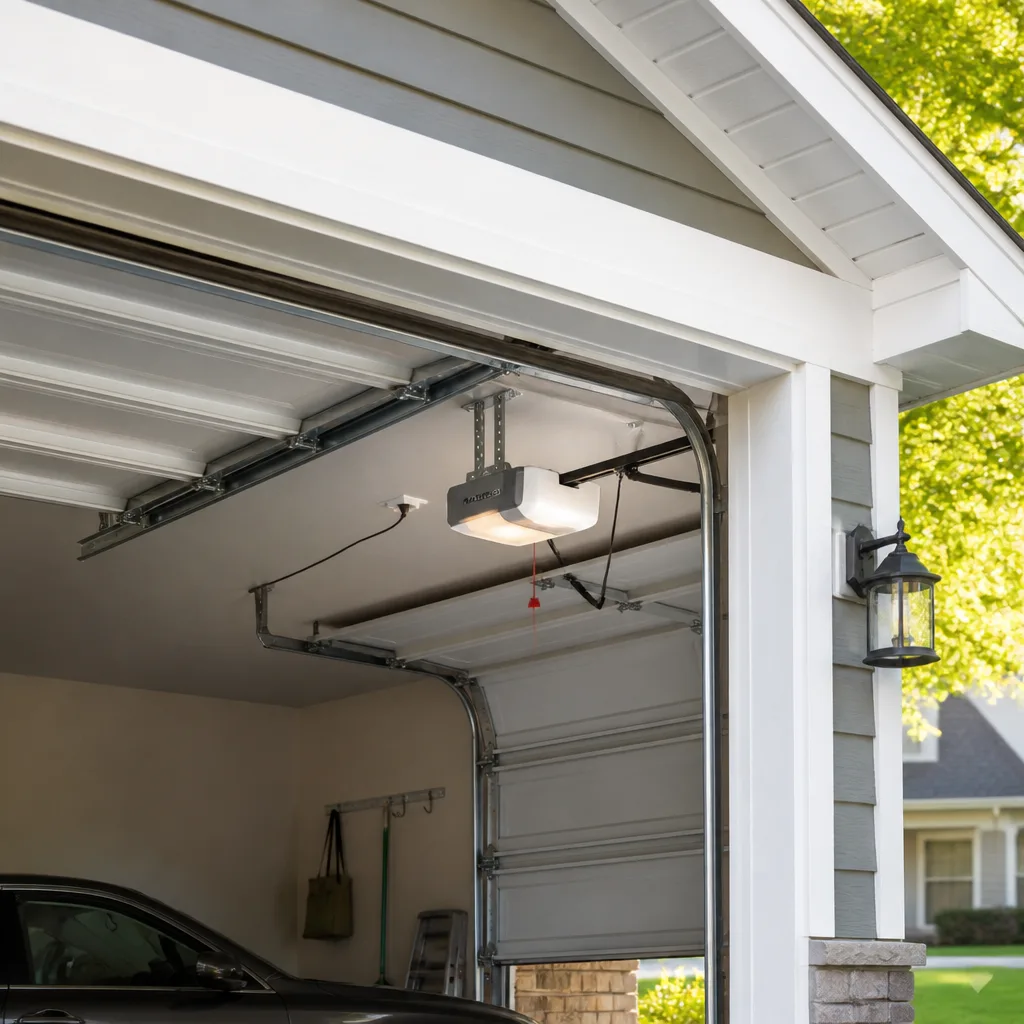 Chamberlain openers
Full 25-point door and opener safety check with every visit - springs, cables, rollers, tracks, and your LiftMaster or Chamberlain opener included
You get a price before we start. It does not change when the pro arrives.
Get your free estimateGarage Door Warning Signs: A Plant City Homeowner’s Reference Guide
A garage door doesn’t just break. It telegraphs the failure weeks or months in advance, and almost every emergency we get called to had a warning sign that was visible for a long time before anything snapped. The homeowner who catches a fraying cable early pays for a cable. The one who ignores the warning pays for a cable, a drum, and sometimes a bent track on top of it. This guide is written for Plant City homeowners who want to catch the small stuff before it becomes a Saturday morning with a car trapped inside. We’ll walk through the sounds, the rust patterns, the opener behaviors, and the floor gap test that tell you a door is heading for trouble.
Quick Answer
The main warning signs of a failing garage door are unusual sounds (grinding, popping, squealing), rust on the torsion springs, a door that runs slow in the morning but fine later, an opener that hesitates or reverses, and an uneven gap under the bottom seal. In Plant City’s humidity, spring corrosion and track binding from heat expansion are the two most commonly ignored early signals. Catching them early usually means a single repair; ignoring them often means a larger one.
Styles & brands we work with
- Raised-panel steel
- Carriage house
- Modern flush
- Full-view glass
- LiftMaster openers
- Chamberlain openers
Table of Contents
- What the Sound Tells You: Grinding, Popping, and Squealing
- Reading Rust on Torsion Springs in Florida Humidity
- Why Your Door Runs Slow in the Morning and Fine by Afternoon
- Opener Behavioral Tells That Point to Spring Wear
- The Floor Gap Test: What an Uneven Seal Really Means
- Frayed Cables and Rolled Edges: The Highest-Risk Signs
- Seasonal Walkaround for Plant City Homes
- When to Stop Watching and Call
What the Sound Tells You: Grinding, Popping, and Squealing
Every garage door failure has a signature sound. If you can name the sound, you can usually name the component that’s failing, and that’s half the diagnosis done before anyone opens the door.
- Grinding – metal on metal, usually from a roller that’s seized in its hinge, or a track that’s out of alignment so the rollers are scraping the edge. Grinding gets worse in hot weather because the track expands.
- Popping – a sharp snap or pop once or twice per cycle. This is often a torsion spring starting to fail at the coil, or a cable jumping its drum. Popping that happens at the same point in travel every time is the most urgent of the sounds.
- Squealing – high-pitched, persistent. Nearly always a dry or worn hinge or roller bearing. Squealing is usually the least dangerous and the easiest to address, but left long enough it wears the hinge pin and creates a grinding problem too.
- Rattling – loose hardware, worn rollers, or a panel that’s vibrating against the frame. Rattling is often the first sign that a door is out of balance.
- Straining or humming without movement – a motor that’s running but the door isn’t. Usually a stripped gear in the opener or a door that’s so heavy the opener can’t lift it. That heaviness almost always points back to a spring that’s lost tension.
In our experience across Plant City, the sounds homeowners most often sit on are grinding and popping. Both feel like “the door still works, so it’s fine.” Both are exactly the sounds that turn into a bigger repair a few weeks later. If you can hear the sound from inside the house, it’s loud enough to warrant a look.
Our technicians have up to 10 years of experience across the major brands you’re likely to own, so when we hear the pop on a Wayne Dalton torsion setup or a grinding roller in a Raynor track, we know what we’re walking into before we arrive.
Reading Rust on Torsion Springs in Florida Humidity
Torsion springs are the coiled steel bars above your door that do the heavy lifting. They’re the single most loaded component on the whole assembly, and they’re also the most exposed to Florida humidity. Rust on a spring is not just cosmetic; it’s a signal that the steel is losing integrity, and a snapped spring is loud, dangerous, and usually happens when the door is up (which is the worst moment).
Surface oxidation vs. structural rust
- Surface oxidation – a fine, uniform orange-brown film across the whole coil. This is normal in Plant City’s humidity and rarely a sign of imminent failure on its own.
- Pitting rust – orange-brown spots that have eaten into the surface, with flaking edges. Pitting concentrates stress at those spots and is the beginning of the end.
- Dark bands or pitting at the coil ends – this is where failures start. If you can see dark rust concentrated near the bracket or near the middle of the coil, that spring is closer to failure than the rest of the door suggests.
- Flaking or scaling – sections of the spring where rust has lifted off the surface in flakes. This is a replace-now signal.
In our experience, a spring with pitting or dark bands at the ends can go weeks, sometimes months, before it breaks. What we can’t tell you is which week. That’s why we never advise waiting on visible pitting rust. This is one of the cases where early replacement is genuinely cheaper than a failure.
We’re a specialist in garage door spring repair, and springs are one of the most dangerous repairs on the door. Please don’t attempt this one yourself; the stored energy in a torsion spring is enough to cause serious injury, and the tools required aren’t the kind most homeowners own. A trained technician is the correct call every time.
Why Your Door Runs Slow in the Morning and Fine by Afternoon
This is the classic Plant City symptom that gets misdiagnosed as an opener problem. A door that’s sluggish or binding first thing in the morning and then runs smooth by mid-afternoon is almost always a thermal expansion issue in a binding track. The metal and the frame warm up through the day, everything loosens, and the door runs fine. It’s not the opener, and treating it as an opener problem burns money on the wrong repair.
What’s actually happening: the vertical track is slightly out of plumb, or a bracket has shifted, or a hinge is worn. In cooler morning temperatures the steel contracts, the clearance closes up, and the rollers drag. By afternoon the thermal expansion has opened the gap back up, so the door runs. The drag is small, but it’s cumulative – it wears the rollers, strains the opener, and eventually contributes to a bent track.
How to check without touching the track yourself:
- Listen to the door at the coolest time of day. If it grinds, squeals, or hesitates in the morning and not later, note it.
- Watch the door from the side as it rises. If it visibly tilts or seems to lean against one side, that’s the track telling you something.
- Note which side the drag comes from. The side with the sound is the side that needs a look.
- Don’t attempt to bend a track back into alignment yourself – adjusting track alignment is a precise job and a bad adjustment makes the dragging worse.
If this is a pattern at your house, it’s worth having garage door repair look at the track alignment and hinges. It’s usually a same-visit fix once the cause is identified.
Opener Behavioral Tells That Point to Spring Wear
An opener rarely fails on its own schedule. It fails when the door has quietly gotten heavier, and a door gets heavier when a spring is losing tension. The opener is the first thing that notices, and the last thing that should be blamed.
Watch for these three behaviors
- Longer cycle time – the door now takes noticeably longer to go up than it used to. A worn spring means the opener is lifting more of the weight. If your LiftMaster or Chamberlain opener used to raise the door in a count that felt snappy and now it drags, that’s a spring problem almost every time.
- A louder motor – the opener sounds labored, or you hear a deeper hum. That’s strain, not old age. A Genie or Craftsman opener that suddenly sounds like it’s working harder is telling you the door has gotten heavier.
- Reversal hesitation – the opener reverses at random, or stops partway up and goes back down. The safety sensors are one possible cause, but on a door that’s been otherwise reliable, a strained spring is the first thing to check. The opener is trying to lift a load it can’t manage and the safety circuit kicks in.
There’s a fourth, quieter tell that most homeowners miss: the motor runs but the door barely moves. That’s the opener trying to lift a door whose spring has lost most of its tension. If you catch it here, you’re looking at spring replacement. If you ignore it, you’re often looking at garage door opener repair on top of the spring, because the gear has stripped.
Brand familiarity matters here. The behavioral tells look similar across brands, but the fix is different on an Amarr opener setup than on a Raynor, and the diagnostic sequence differs. We’re trained and equipped to service LiftMaster, Chamberlain, Genie, Clopay, Amarr, Wayne Dalton, Craftsman, and Raynor products, so we’re diagnosing the brand you already own rather than guessing at it.
The Floor Gap Test: What an Uneven Seal Really Means
Almost every homeowner who calls us about a draft under the door believes they have a seal problem. About half the time, they don’t. The uneven gap at the bottom of the door is usually a symptom of something larger: frame shift, track misalignment, or panel deformation. Replacing the seal chases the symptom; finding the cause fixes the door.
How to run the test
- Close the door and turn on the interior light. Look along the full width of the bottom seal.
- Check whether the gap is uniform from one side to the other. A gap that’s wider on one side than the other is the tell.
- Slide a piece of paper under the seal at several points across the width. It should meet similar resistance all the way across.
- Look at the gap from a low angle. If you can see daylight under one section and not another, you’ve found the pattern.
- Note whether the door itself is sitting square in its opening. If one corner is dropping or one side is riding up, that’s a panel or track problem, not a seal problem.
A gap that comes and goes with the seasons is usually thermal expansion in the frame or the track – Plant City’s warm days and cooler mornings push and pull on the wood framing more than the seal can compensate for. A gap that’s constant and concentrated on one side is more often a shifted hinge, a bent track, or panel deformation from a bump (a bicycle, a trash can, a car that nudged too far forward in the dark).
If the gap is concentrated and the door looks off-square, don’t keep adjusting the seal. The door needs a proper alignment diagnosis before anything else.
Frayed Cables and Rolled Edges: The Highest-Risk Signs
Lift cables are the second most dangerous part of your garage door system after the springs. They’re under a lot of tension and they live out of sight, so they only get noticed when they fail. There are two visual signs worth checking for monthly.
- Fraying near the drum or the bottom bracket – broken strands of wire poking out of the cable cover. A single broken strand is a warning; several is a failure that’s already underway.
- A cable that’s jumped the drum – the cable is no longer seated in the groove on the drum. This is a stop-and-call situation, because the door is now supported unevenly and a drop is possible.
- Rolled edge on the bottom bracket – the metal bracket the cable attaches to at the bottom of the door is bent or has started to tear. This bracket is a load-bearing part of the whole system.
- Uneven door lift – one side rises before the other by more than an inch. A fraying or jumped cable is the first suspect.
If you see any of these, keep the door closed (or down if it’s already up) and call for service. Do not test the door repeatedly while you watch it, and don’t attempt to re-seat the cable yourself. The stored energy in a cable under tension is enough to cause serious injury. This is a case where calling a professional, even at inconvenient timing, is the only safe move.
For our part, we offer emergency garage door service because a jammed door in Plant City often means a car is trapped in the garage, or a house can’t be secured. That’s what emergency service exists for.
Seasonal Walkaround for Plant City Homes
A five-minute walkaround at the change of every season catches almost every warning sign in this guide before it turns into a repair. Florida’s mild winters don’t give the door the freeze-thaw reset that colder climates do, so the wear is steady rather than seasonal, and the visual check is the only way to catch it.
- Look at the springs. Surface oxidation or pitting rust? Dark bands at the coil ends? Note what you see.
- Look at the cables. Any fraying at the drum or the bottom bracket? Any rolled edge on the bracket?
- Look at the hinges and rollers. A seized roller will look dry and discolored compared to the others. A hinge pin that’s walked out of place shows as a small gap.
- Run the door and listen. Grinding, popping, or squealing? Any change in the sound from memory is worth a note.
- Watch the cycle time. Does the door take noticeably longer to rise than it used to? That’s the opener telling you the door is heavier.
- Run the floor gap test. Uniform resistance across the width, or a gap that’s wider on one side?
- Test the safety reverse. Place an object on the ground under the door and check that the door reverses on contact. If it doesn’t, that’s a stop-and-call.
Write down anything that’s changed between seasons. Patterns are more useful than single observations, and a technician can work faster with “the door got slow about two months ago” than with “it’s been making a noise.”
When to Stop Watching and Call
Some warning signs are “schedule a repair this week.” Others are “call today, keep the door down in the meantime.” The difference is whether the door can be trusted to stay up under load.
Call today if you see a frayed or jumped cable, a spring with visible pitting or dark bands at the ends, popping during the cycle, or a door that reverses on its own at the same point every time. Call this week if you hear grinding or squealing, if the door runs slow in the morning only, or if the floor gap is uneven. Either way, keep the door down where the risk is highest.
Plant City Garage Door Repair Pros offers free estimates in Plant City. Call (866) 329-6292. We answer 24/7. Fast dispatch from 7am to 7pm, Sunday through Friday. Our technicians have up to 10 years of experience, and spring repair is one of our named specialties because it’s one of the most commonly mishandled jobs on a garage door.
Common Mistakes to Avoid
- Replacing the bottom seal when the track is the real problem. An uneven gap is usually a track or panel symptom. Replacing the seal hides the draft without fixing the cause.
- Blaming the opener for a spring problem. A slow, loud, or hesitant opener is usually telling you the door has gotten heavier – not that the opener is failing. Replacing the opener without addressing the spring gets you the same problem with a newer opener.
- Waiting on pitting rust. Plant City’s year-round humidity keeps rusting slowly regardless of season. “It’s been like that for months” is the most common thing we hear about a snapped spring. Months is not the reassuring detail it feels like.
- Re-seating or adjusting a cable yourself. This is the single most dangerous DIY repair on the door. A lifted cable under tension can recoil. There’s no version of this job that’s safe to do without training.
- Ignoring a morning-only drag. A door that’s slow in cool mornings and fine by afternoon is expanding and contracting around a binding track. It wears the rollers and strains the opener while it happens, so it’s worth a look even if the door runs fine at midday.
- Spraying the tracks with lubricant to quiet a grinding sound. Lubricant hides the sound for a few weeks, but the grinding is still happening inside the roller or on the track edge, and it still wears the parts.
- Skipping the monthly safety reverse test. It’s two minutes, and it’s the only way to catch a safety circuit failure before someone is under the door when it should have reversed and didn’t.
See the difference
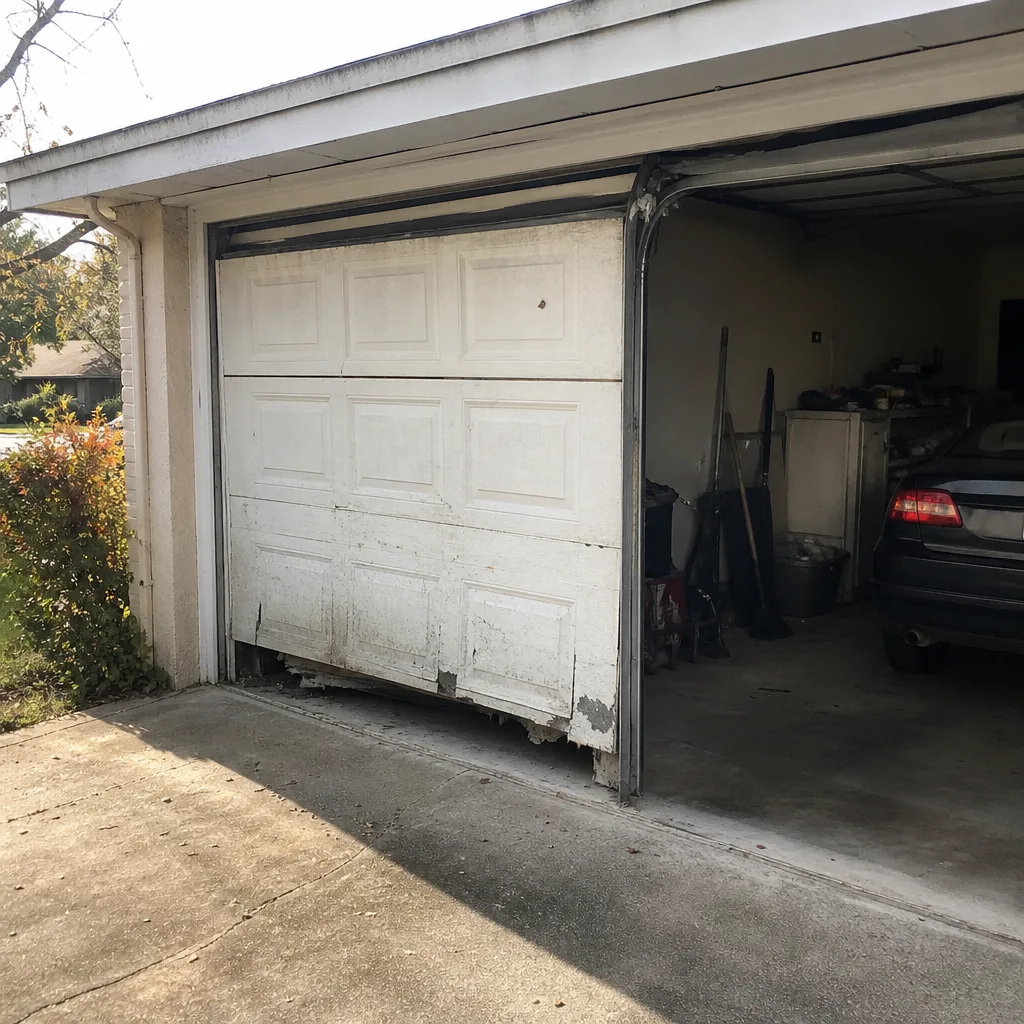 Before
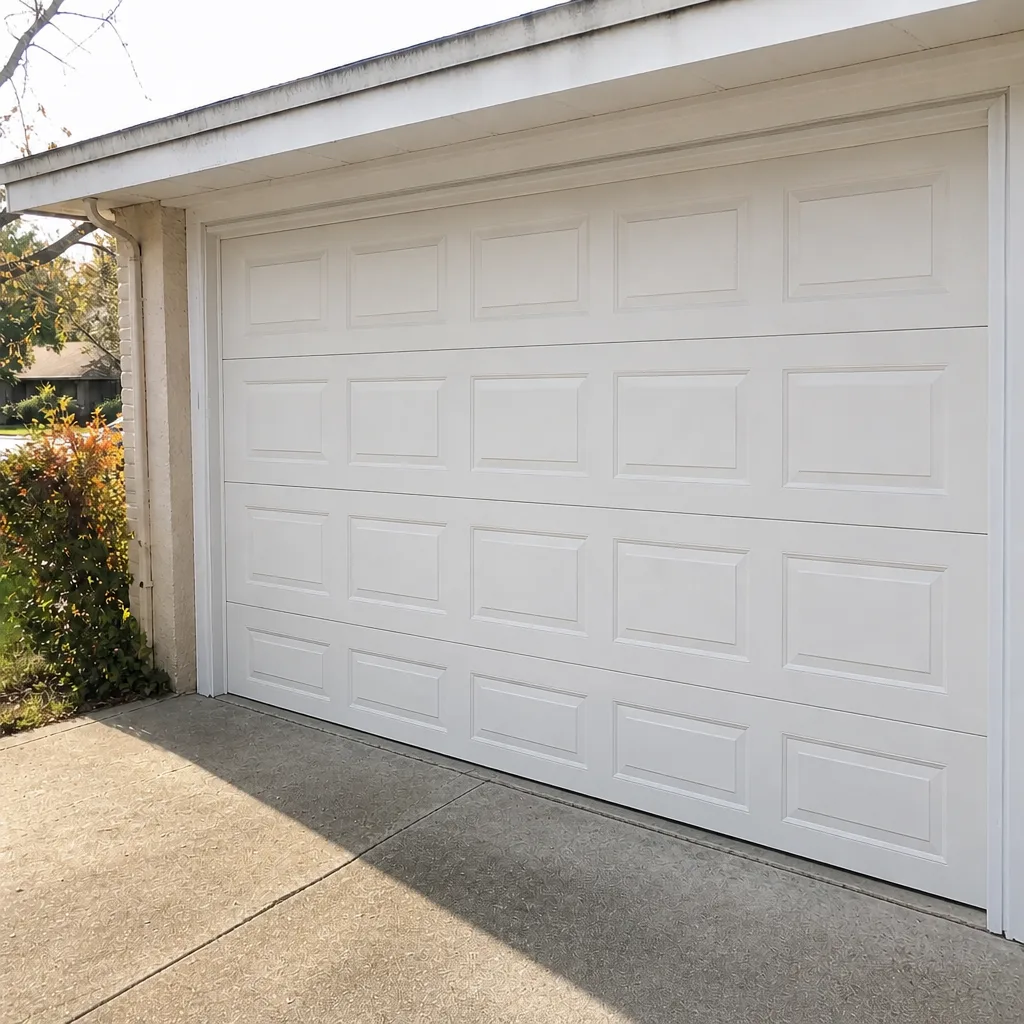 After
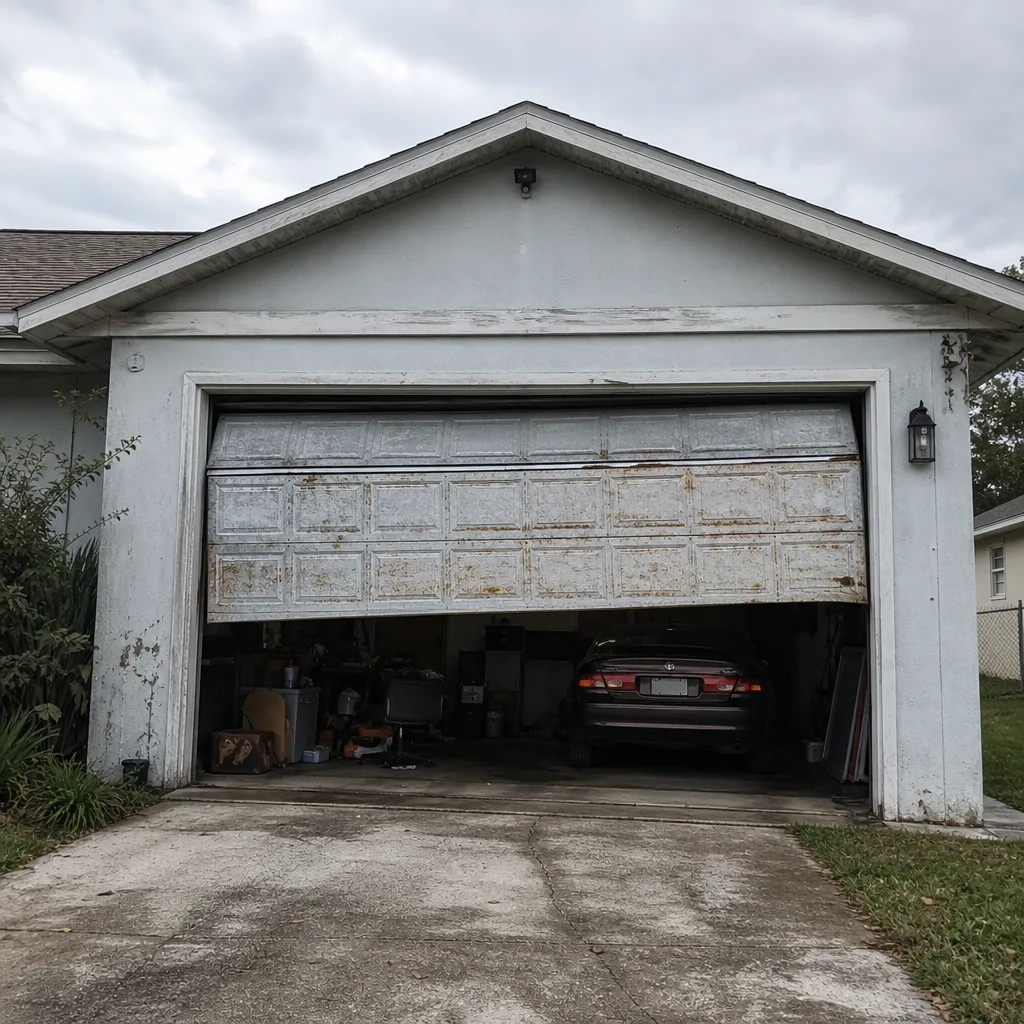 Before
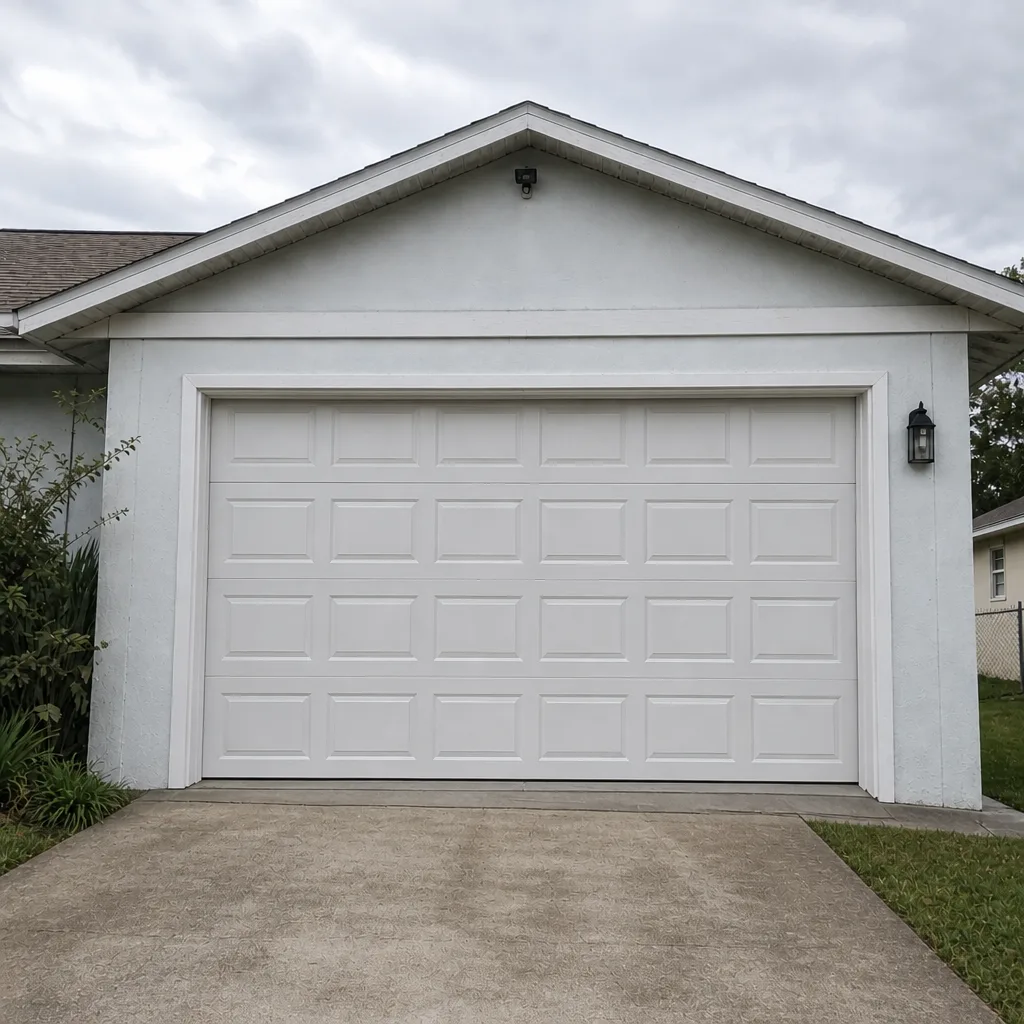 After
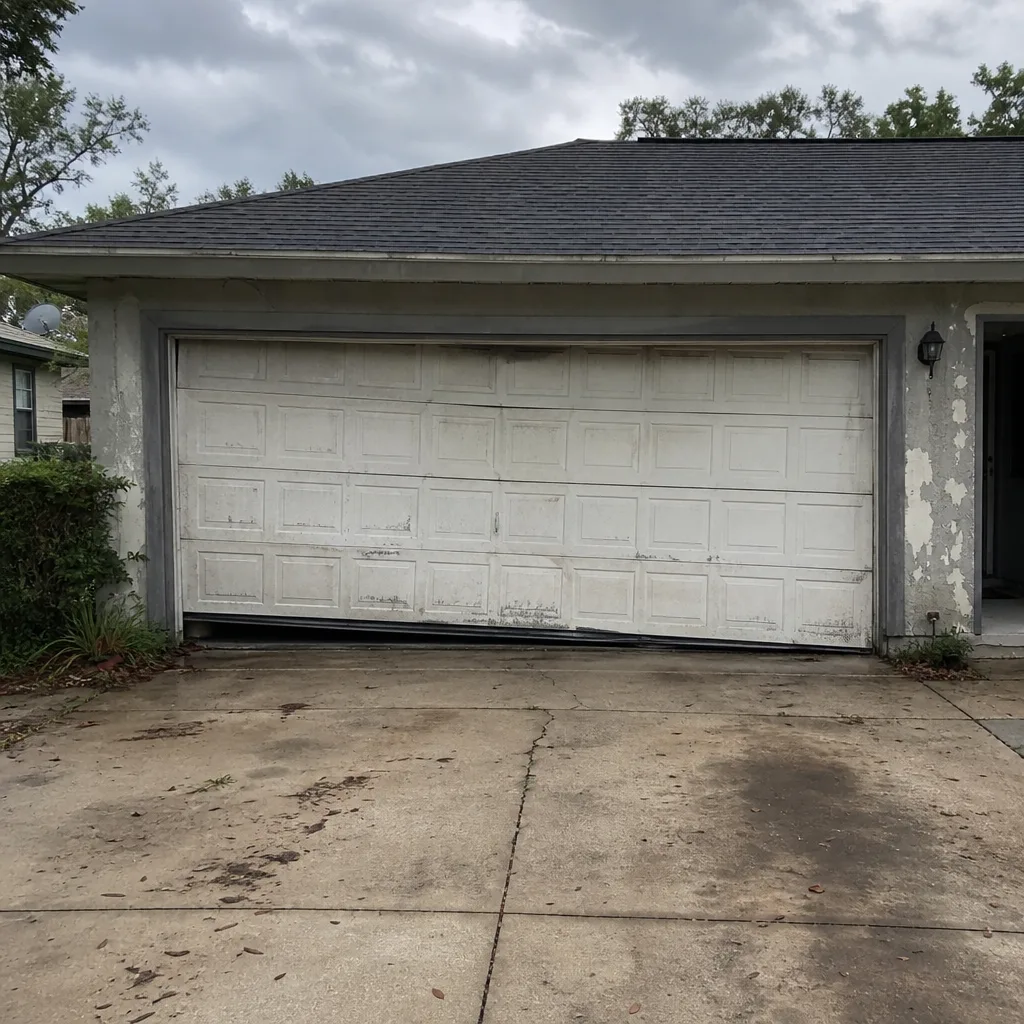 Before
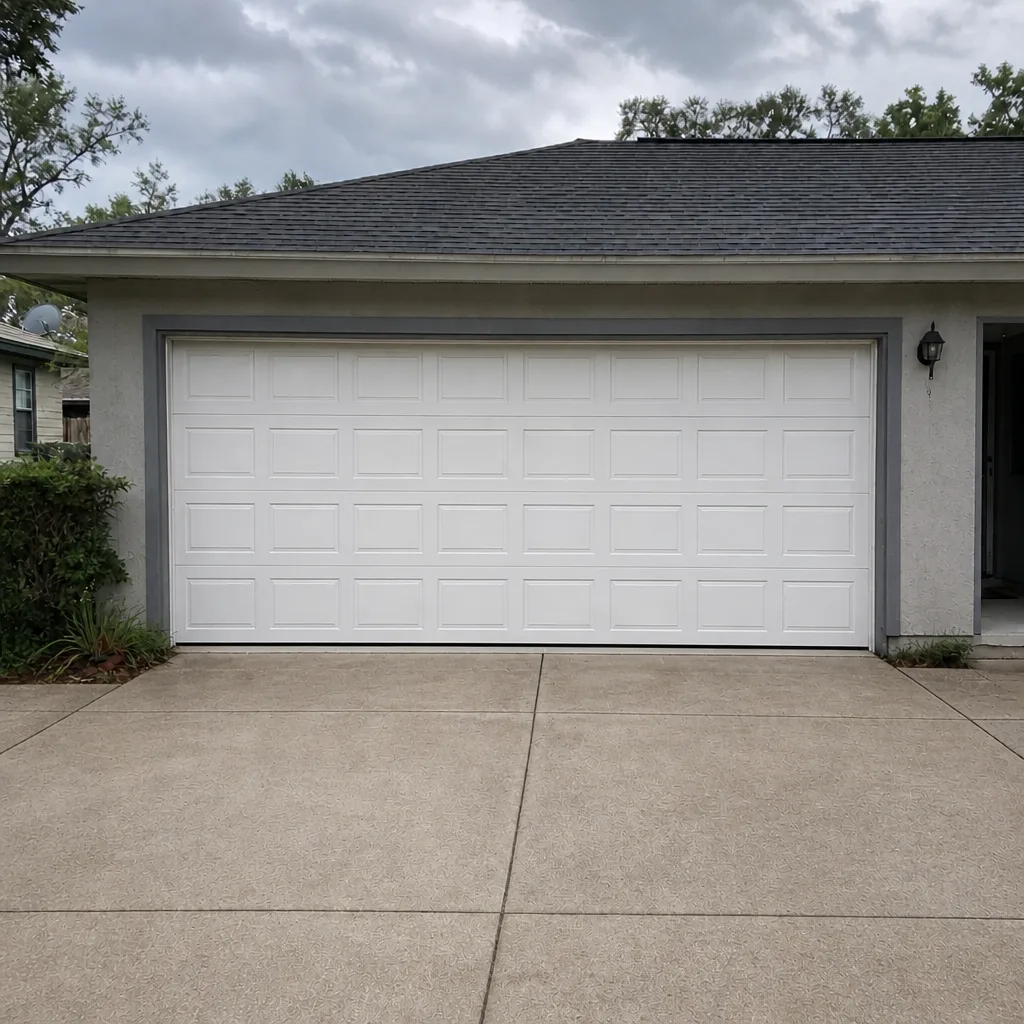 After
When to Call a Professional
You need a professional if the cables are frayed or jumped, if the springs show pitting or dark bands, if the door is popping, if it’s reversing on its own, or if it’s lifting unevenly. You also want a professional if the door runs, but the morning drag is getting worse, or the opener has picked up a strain it didn’t have three months ago. Those are the signs that a repair is cheaper now than it will be after the failure.
Our technicians have up to 10 years of experience across LiftMaster, Chamberlain, Genie, Clopay, Amarr, Wayne Dalton, Craftsman, and Raynor products, and we work on the brand you already own rather than steering you to a replacement you didn’t ask for. We cover the full lifecycle – repair, opener repair, spring repair, and new installation – so it’s one call for whatever the walkaround turned up.
Plant City Garage Door Repair Pros offers free estimates in Plant City – call (866) 329-6292. We answer 24/7. Fast dispatch from 7am to 7pm, Sunday through Friday, and closed Saturdays. Our technicians have up to 10 years of experience. Emergency service is available for a door that’s blocking a car in or leaving the house open.
Frequently Asked Questions
The earliest signs are usually a change in sound (grinding, popping, or squealing), visible rust pitting on the torsion springs, an opener that takes longer to complete a cycle, and a door that drags in cool mornings but runs fine by afternoon. Any single one is worth a look; two or more together is worth scheduling a repair. Call (866) 329-6292 for an exact quote – estimates are free.
If the door feels heavier to lift by hand (carefully, with the opener disconnected), or the opener sounds labored and the door is sluggish, the springs are almost always the cause. The opener is the symptom-reader, not the failing part. A technician can confirm in a single visit – call (866) 329-6292.
That’s thermal expansion in a binding track. Cooler morning temperatures contract the steel and close the clearance, so the rollers drag; by afternoon the heat has reopened the gap and the door runs. It’s not the opener, and treating it as one spends money on the wrong fix. Call (866) 329-6292 to have a technician diagnose the track.
Surface oxidation is normal and rarely urgent. Pitting rust, dark bands at the coil ends, and flaking are not – those mean the spring is closer to failure. In our experience, a spring with visible pitting can go weeks or months before failing, and there’s no way to tell which week. Call (866) 329-6292 if you’re unsure which kind you’re looking at.
Yes, we offer same-day service for garage door problems that need it, and emergency service for a door blocking a car in or leaving the house unsecured. We answer 24/7. Fast dispatch from 7am to 7pm, Sunday through Friday, closed Saturdays, and a call outside dispatch hours is booked into the next opening. Call (866) 329-6292.
No. The written estimate sets the price, and it’s quoted and agreed before any work starts. If the diagnosis turns up something different than the phone described, that goes into a revised estimate you approve before the repair begins – not onto the final invoice. Call (866) 329-6292 for a free estimate.
The Bottom Line
A garage door telegraphs its failure, and the signs are readable long before the door actually breaks. Sounds tell you which component is failing. Rust patterns tell you which springs are close. Cold-morning drag tells you the track is binding. Opener behavior tells you the door has quietly gotten heavier. The floor gap tells you whether you have a seal problem or a track problem. Catching any of these early usually means a single, manageable repair; ignoring them usually means a bigger one, and sometimes a bent track on top of it. In Plant City, spring corrosion and heat-driven track issues are the two most commonly ignored warning signs, which is why the seasonal walkaround matters more here than in colder markets. When in doubt, call, and we’ll tell you what the door is actually telling you.
Plant City Garage Door Repair Pros is a single-trade garage door specialist, so every technician, every tool, and every part we bring is oriented around one thing. That’s what makes a warning-sign diagnosis fast: we’ve seen the same patterns on the same major brands, and we know what comes next on a Wayne Dalton torsion setup or a Craftsman opener that’s picked up a strain. Call (866) 329-6292 for a free estimate. We answer 24/7. Fast dispatch from 7am to 7pm, Sunday through Friday.
Written by the team at Plant City Garage Door Repair Pros.