
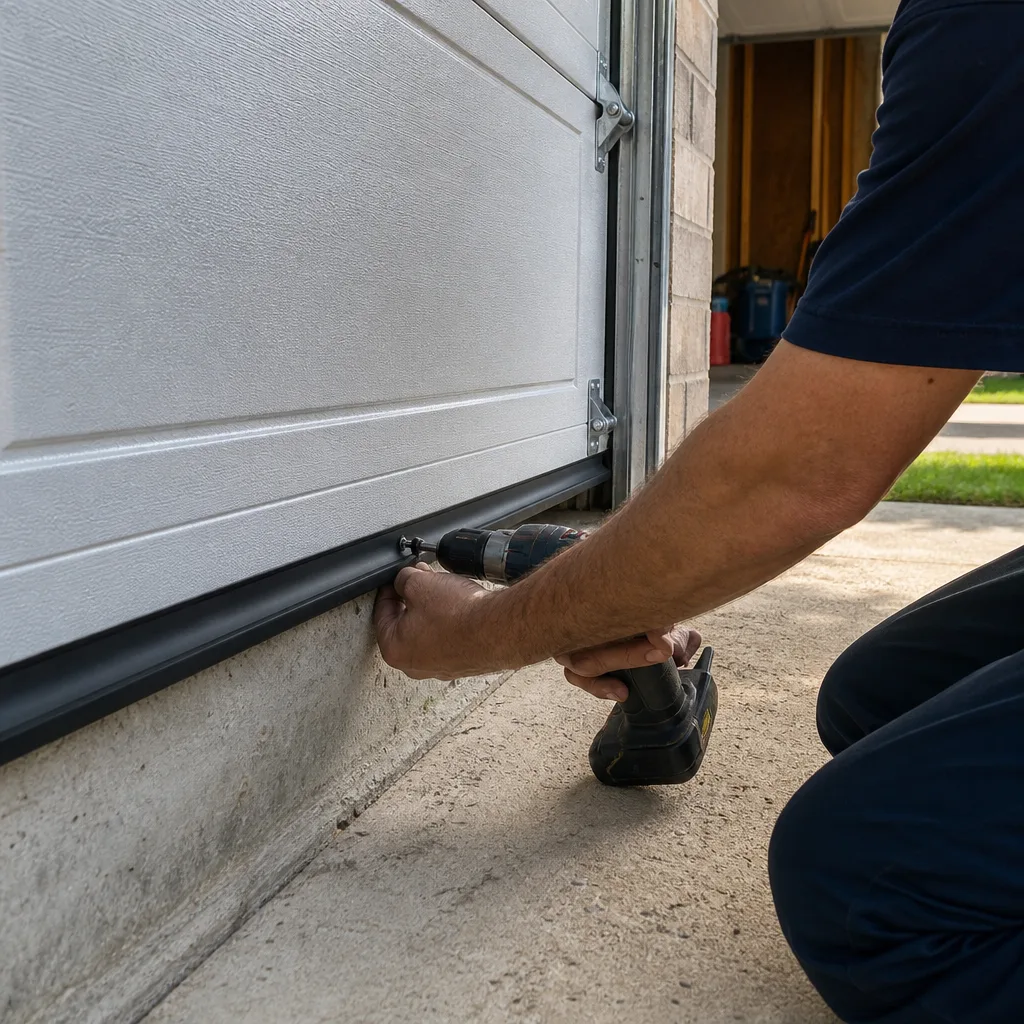
Last updated November 22, 2026
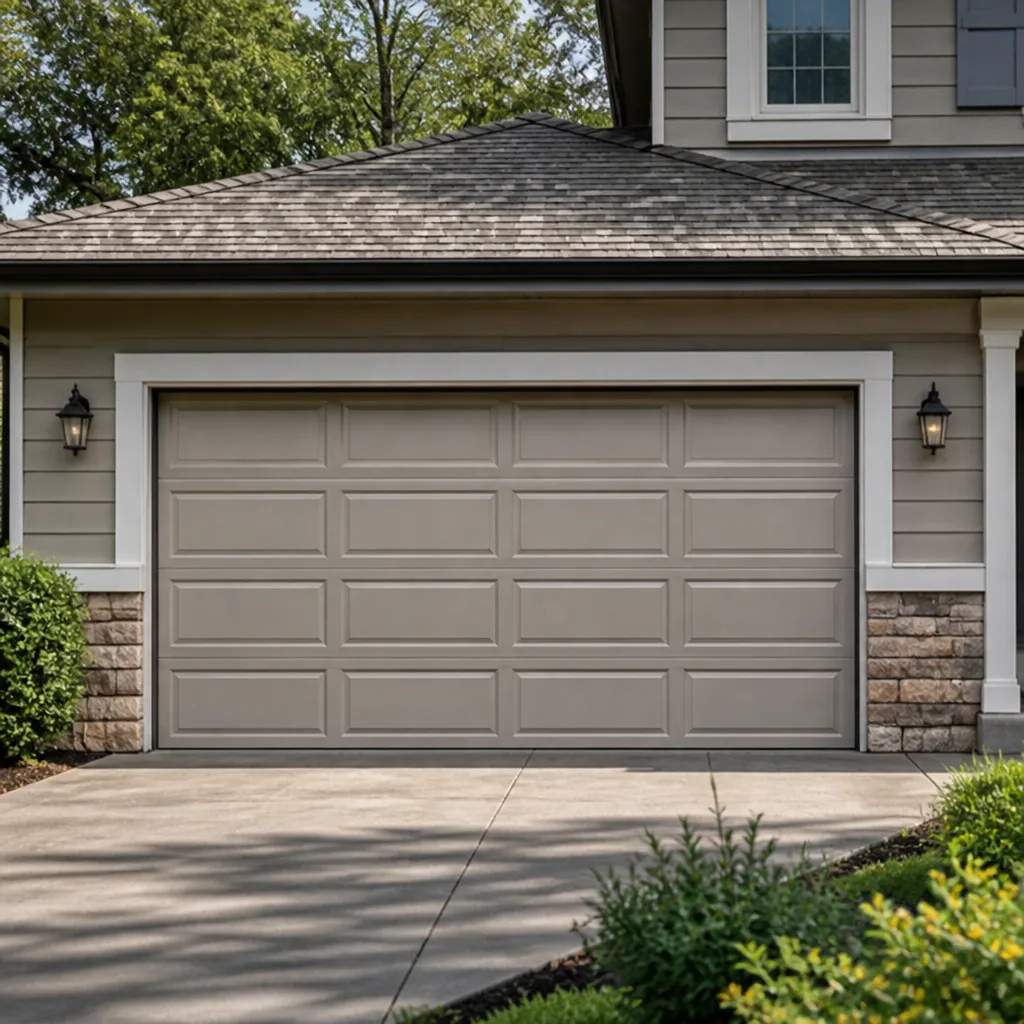 Raised-panel steel
 Carriage house
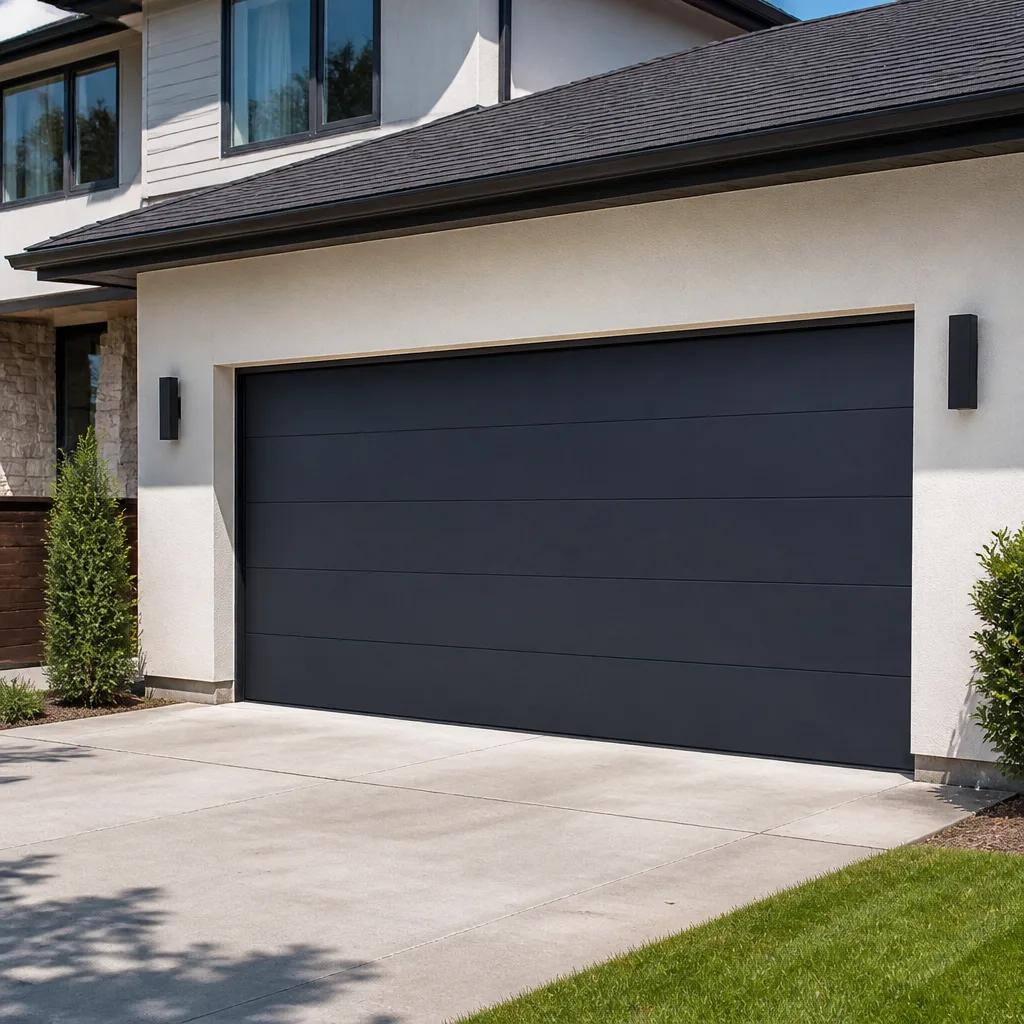 Modern flush
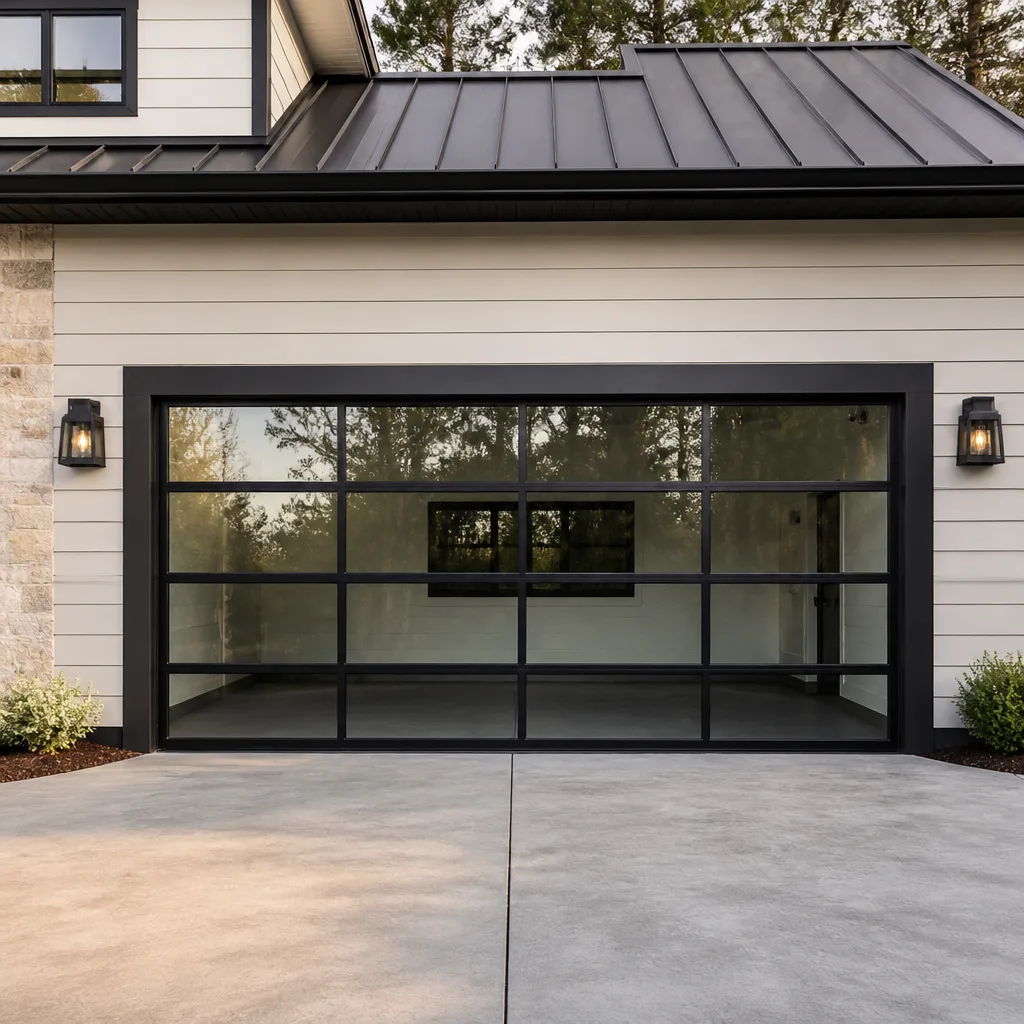 Full-view glass
 LiftMaster openers
 Chamberlain openers
Full 25-point door and opener safety check with every visit - springs, cables, rollers, tracks, and your LiftMaster or Chamberlain opener included
You get a price before we start. It does not change when the pro arrives.
Get your free estimateGarage Door Repair Maintenance Schedule: What to Do and When
Most garage door springs don’t snap because they got old. They snap because nobody lubricated them correctly in the two years before they broke. The homeowner usually means well, but the can of WD-40 in the garage is a solvent, not a lubricant, and spraying it on a torsion spring actually strips away the factory oil and speeds up the corrosion that leads to failure. We’ve seen this pattern more times than we can count in Plant City, where the humid summers and the dry stretch that follows put real stress on steel. This guide gives you a task-specific, product-specific schedule timed to our actual climate, not a generic four-seasons checklist. You’ll learn what to lubricate and with what, which two 60-second safety tests to run twice a year, and when to stop maintaining and start planning a replacement.
Quick Answer
Maintain a garage door in Plant City on a schedule built around the wet season: lubricate springs, hinges, and rollers every six months (before June and again in October), run a balance test and a force test twice a year, and clear and inspect the track and weatherstripping quarterly. In this climate, the June-to-September humidity followed by the dry, dusty stretch is what ages the door fastest, so spring lubrication and weatherstrip inspection matter more here than a generic national calendar suggests. Anything involving the torsion spring itself, the cables, or the opener’s internal wiring is a job for a trained technician.
Styles & brands we work with
- Raised-panel steel
- Carriage house
- Modern flush
- Full-view glass
- LiftMaster openers
- Chamberlain openers
Table of Contents
- Why Plant City’s Climate Sets Your Schedule
- The Month-by-Month Maintenance Calendar
- Which Lubricant for Which Part (and Why Substitutions Cause Damage)
- The Two 60-Second Tests You Can Run Twice a Year
- What You Can Do Yourself vs. What a Technician Inspects
- How Long Every Major Component Lasts
- Brand-Specific Notes and When to Call
- Frequently Asked Questions
Why Plant City’s Climate Sets Your Schedule
A maintenance calendar copied from a national magazine assumes four seasons. Plant City doesn’t have four seasons. It has a hot, wet stretch from roughly June through September, and then a cooler, drier stretch where the air dries out and the fine dust of Central Florida starts working its way into every moving joint. That rhythm, not the calendar year, is what determines when a garage door needs attention.
During the wet season, humidity rises and condensation forms on cold steel. A torsion spring that’s lost its protective lubricant coating rusts from the outside in. Hinges stiffen. The bottom seal, if it’s the rubber or vinyl type, can soften and start to warp at the edges. Then, as the air dries out, that same weatherstripping can stiffen and crack. Doors that sat fine all winter suddenly sound different in August.
The dry period that follows the wet season is when dust and grit accumulate in the tracks and roller channels. Grit acts like sandpaper against rollers, and it’s a common reason a door that used to glide starts to drag. If you only lubricate once a year, you’re almost always lubricating at the wrong time for our climate.
The upshot for a homeowner in Plant City is simple: your heaviest maintenance tasks cluster around the transition into and out of the wet season. That’s what the schedule below reflects. We work on doors in the older neighborhoods near downtown Plant City and the newer developments off the corridor toward Lakeland every week, and the pattern holds in both.
The Month-by-Month Maintenance Calendar
Here’s the schedule we recommend for Plant City. It’s tuned to the local wet-and-dry cycle, so the heaviest lubrication tasks land in late May and October. The rest of the year is quick visual checks and a couple of tests.
Late May (before the wet season): Lubricate the torsion springs, hinges, and roller bearings. Inspect the bottom seal for softness or gaps. Wipe down the tracks and check for any bend or misalignment.
June through September (wet season): Every month, do a quick visual pass. Look for rust spots on springs, a door that looks slightly damp, or weatherstripping that’s warping. Run the balance test once mid-season. This is also when you listen for new noises, because humidity makes a stiff hinge groan loudly.
Early October (dry season transition): A second full lubrication. Inspect weatherstripping for cracks now, because this is when vinyl and rubber stiffen. Clear the tracks of any grit that built up. Run both the balance test and the force test.
November through May: A monthly visual check and a quarterly wipe-down of the tracks. Keep the photo-eye sensors clean. That’s it.
- Late May: full lubrication and seal inspection.
- June-September: monthly visual check, one mid-season balance test.
- Early October: second lubrication, weatherstrip crack check, both tests.
- November-May: monthly visual check, quarterly track wipe-down.
If a component shows a red flag during these checks, don’t wait for the next scheduled task. Call garage door repair before a small issue turns into a snapped spring or a door that won’t close.
Which Lubricant for Which Part (and Why Substitutions Cause Damage)
The single biggest maintenance mistake we correct is the wrong product. A garage door has at least four different surfaces that need different treatments, and using one product everywhere causes damage. Here’s the breakdown.
Rollers: Use a lithium-based grease. White lithium grease sprays on and stays put, which is what you want on a roller bearing that’s under load. Regular oil runs off. WD-40 evaporates.
Torsion springs and hinges: Use an aerosol lubricant made specifically for garage doors. These are formulated to cling to steel and leave a protective film that resists the humidity that builds up in a Central Florida garage. Never use WD-40 here. It’s a water-displacing solvent, and on a spring it strips the protective coating and leaves the steel exposed to the exact moisture you’re trying to keep off it.
Weatherstripping: Use a silicone spray, not grease and not oil. Silicone keeps rubber and vinyl supple without attracting dust. Petroleum-based products degrade the rubber over time.
Tracks: No lubricant at all. Tracks should be wiped clean and dry. Grease attracts grit, and grit is what wears out rollers. This surprises people, but a greasy track is a failing track.
- Rollers: lithium-based grease.
- Springs and hinges: garage-door-specific aerosol lube.
- Weatherstripping: silicone spray.
- Tracks: dry wipe only, no lubricant.
One warning that matters. Never reach into the spring or cable area to lubricate it yourself. The torsion spring on a standard door is under enough tension to cause serious injury if it releases, and the cables are equally dangerous. If you’re not sure how to lubricate a spring safely, have a technician handle the spring pass. Spring repair done right, done safely is a job we take seriously, and we’d rather you call than gamble. Our team handles garage door spring repair with the proper tools and a controlled release, every time.
The Two 60-Second Tests You Can Run Twice a Year
These two tests are the fastest way to catch spring and opener wear before it becomes a failure. They’re simple, safe, and you can run them without any tools. Do them in spring and again in autumn, and any time the door sounds different.
The balance test
This test tells you whether the springs are still carrying their share of the door’s weight. If they’re not, the opener is doing the heavy lifting, and that shortens its life.
- Close the door fully and pull the manual release cord to disconnect the opener.
- Lift the door by hand to about halfway open.
- Let go. A balanced door should sit at the halfway point on its own.
If the door drops or rises on its own, the spring tension is off. Don’t adjust it yourself. A door that won’t hold position usually needs a technician to check the spring or the cables. This is the test that catches a weakening spring before it snaps.
The force test
This test tells you whether the opener’s safety reverse is working. Every opener made in the last few decades has a safety reverse system, and it needs to work to be safe.
- Open the door, then lay a short length of 2×4 flat on the ground in the door’s path.
- Close the door with the opener remote.
- Watch what happens when the door meets the board. It should reverse and reopen immediately.
If the door stops or strains against the board without reversing, the opener’s force setting or safety reverse is failing, and that’s a real safety concern for anyone in the path. That’s a job for garage door opener repair, and we handle the brand you already own, whether it’s a LiftMaster, a Genie, or a Craftsman. Our team can also check the photo-eye sensors while they’re there, because a dirty or misaligned sensor causes intermittent failures that look like a force problem.
What You Can Do Yourself vs. What a Technician Inspects
We’re honest with customers about this line. Some maintenance is genuinely DIY-friendly, and some of it is not, and knowing the difference saves you money and keeps you safe.
Homeowner tasks (5 to 15 minutes each): Wipe the tracks dry. Lubricate the hinges and rollers (not the spring). Spray silicone on the weatherstripping. Run the balance and force tests. Clean the photo-eye sensors with a soft cloth. Listen for new noises. These are quick and safe.
Technician tasks (45 to 90 minutes for a full tune-up): Check the spring wind and tension. Inspect cables for fraying. Test and adjust the opener’s force and travel limits. Check the door’s track alignment and panel balance. Inspect all hinges and replace worn ones. Check the bottom seal and threshold. Confirm the safety reverse is properly calibrated. These require tools, knowledge of the specific opener platform, and hands-on control of the spring system.
We know the quirks of the eight brands we service, from Clopay and Amarr doors to LiftMaster and Chamberlain openers, which means a technician catches a brand-specific issue a generalist would miss. This is garage door specialist work, not general handyman work, and the difference shows in the inspection report.
If you’d rather not do the spring and cable inspection yourself (and you shouldn’t), a tune-up is the straightforward answer. Our technicians have up to 10 years of experience, and a tune-up covers everything on the list above in one visit.
How Long Every Major Component Lasts
Knowing when a part is nearing the end of its life helps you decide whether to keep maintaining it or plan a replacement. Maintenance stops being cost-effective once you’re paying for repeat repairs on a component that’s already past its expected life. Here are the benchmarks we use.
- Torsion springs: Typically 7 to 12 years for a standard spring, less in high-cycle use or when lubrication has been neglected. A broken spring is usually the first component to go.
- Extension springs: Usually 7 to 10 years. They fail more suddenly than torsion springs because there’s less visual warning.
- Garage door opener: A chain-drive or belt-drive opener commonly lasts 10 to 15 years, and less if it’s been straining against an unbalanced door.
- Rollers: 5 to 7 years for a standard steel roller, longer for a nylon roller.
- Weatherstripping: 5 to 10 years, and shorter in a climate with a pronounced wet season, which is why we inspect it twice a year here.
- Cables: 10 to 15 years, though a misaligned door or a single careless spring repair can shorten that considerably.
- Panels: The door body itself can last 20 years or more, but dents and rust are what retire a door, not the calendar.
When two or more major components are past their benchmarks, or when a door has needed three repairs in a single season, replacement often costs less than continuing to repair. That’s not a sales pitch; it’s arithmetic. If you’re weighing it, a free estimate for garage door installation will give you the numbers.
Brand-Specific Notes and When to Call
Not every brand ages the same way, and knowing your brand helps you anticipate what to watch for. We’ve built our whole service around being able to work on the brand you already own, and we’re factory-familiar with the major names a homeowner is likely to have. A few notes from the field.
Clopay and Amarr doors: Well-built, and often installed with standard torsion springs that respond well to regular lubrication. When a Clopay or Amarr door starts dragging, it’s usually a roller or track issue before it’s a spring issue. Those panels are durable, so dent repair and hardware tuning are the most common fixes.
Wayne Dalton doors: Some Wayne Dalton models use a proprietary spring system, which is a reason to have the brand’s specifics handled correctly rather than assuming a generic fix applies. When a Wayne Dalton door needs spring work, brand familiarity saves diagnostic time.
Craftsman openers: Very common in Plant City garages, and the force and travel limits are adjustable, which means a “door reverses for no reason” complaint is often a setting issue rather than a hardware failure. A technician can read the opener’s behavior and identify whether it’s the logic board, the sensors, or a mechanical bind.
Across every brand, the point is the same: when a part is making a noise it didn’t used to make, when a spring looks stretched or rusty, or when the door won’t close all the way, that’s the moment to call. Catching it early is almost always cheaper than waiting.
See the difference
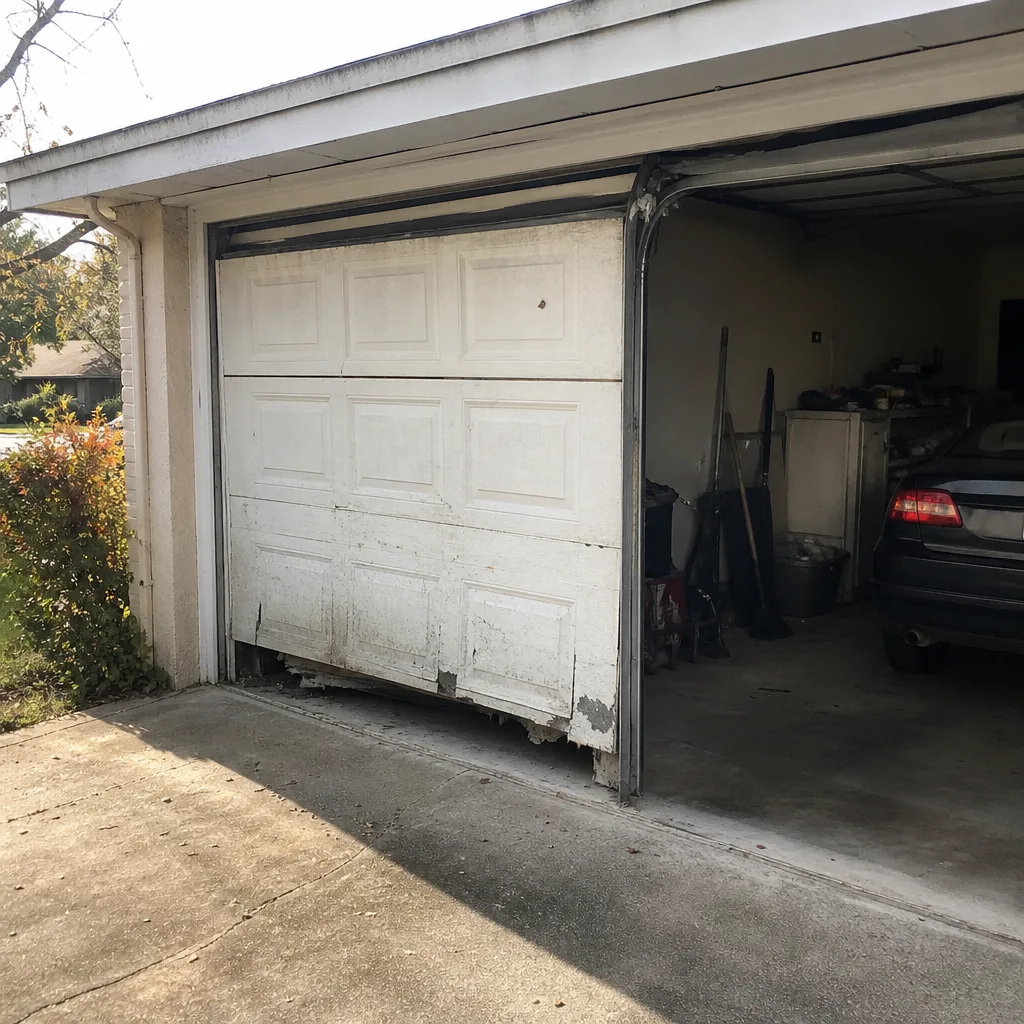 Before
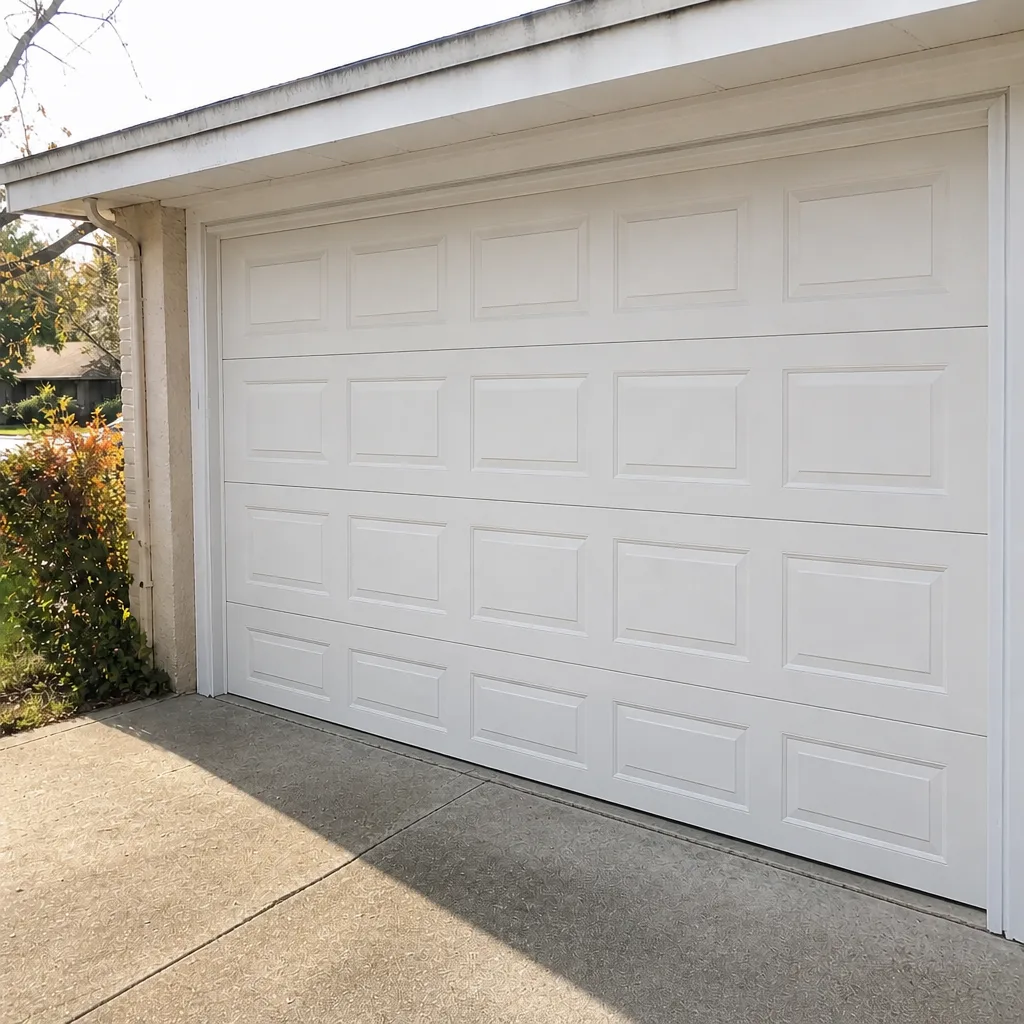 After
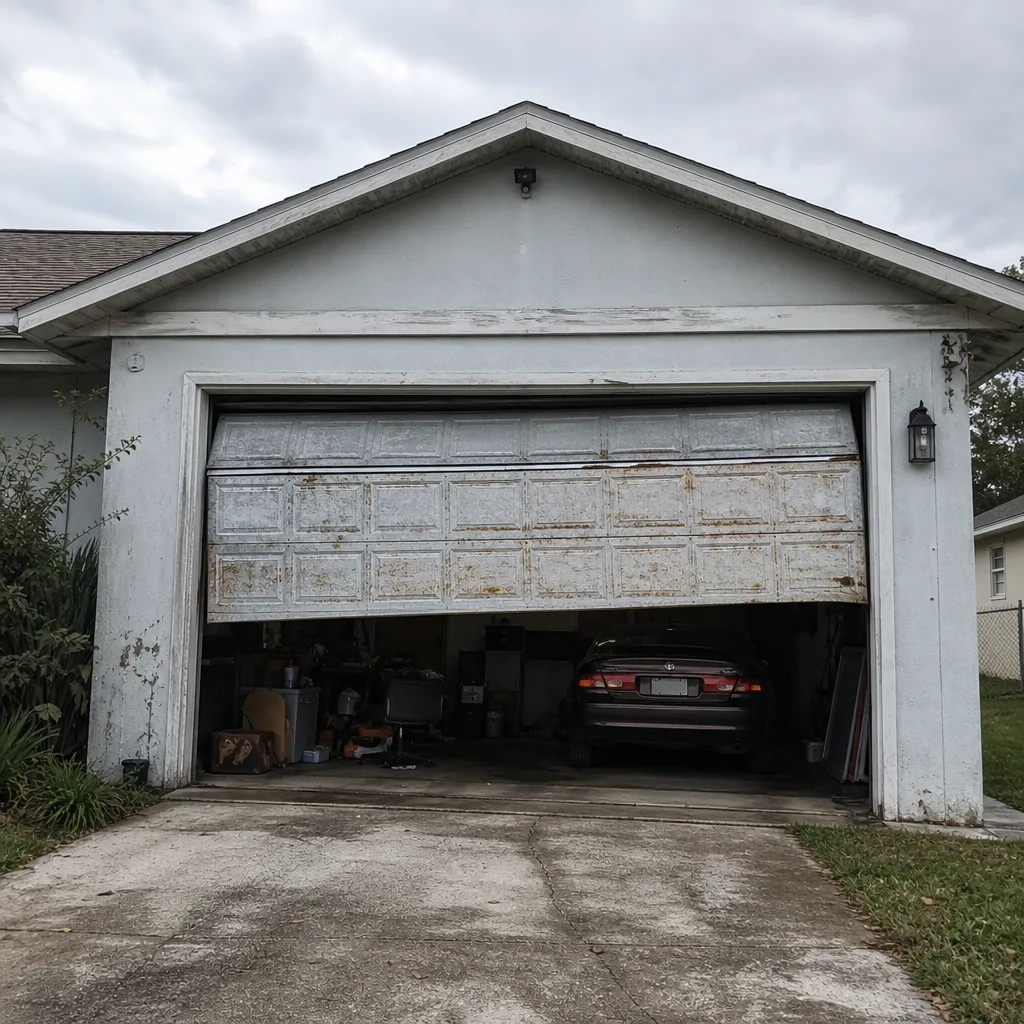 Before
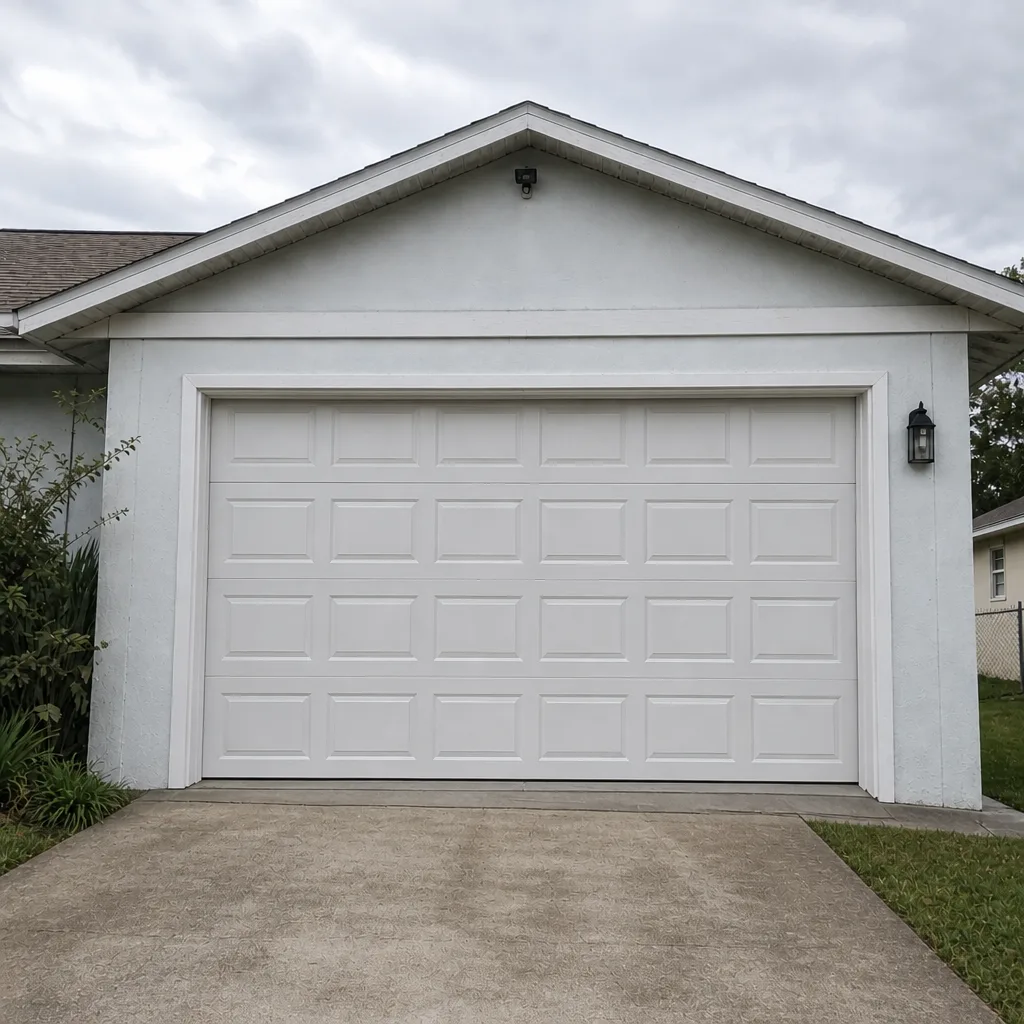 After
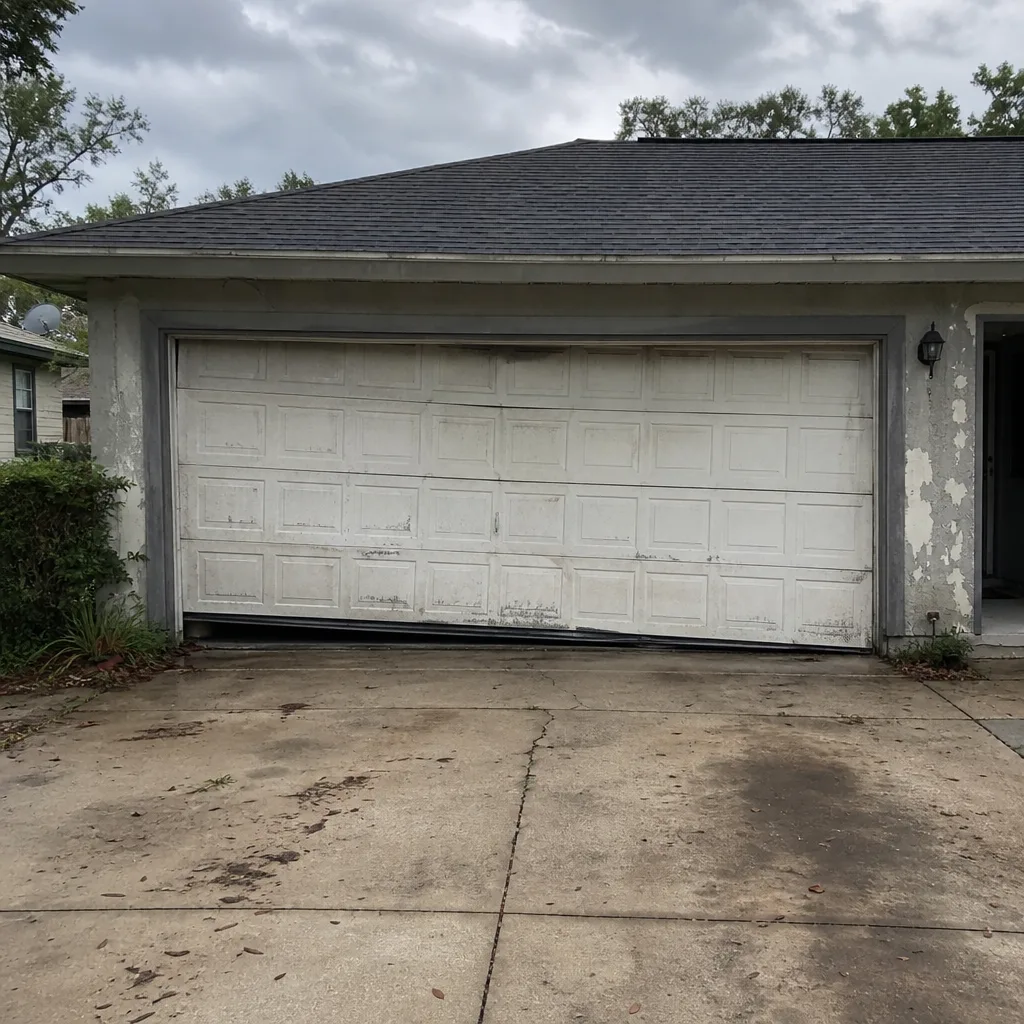 Before
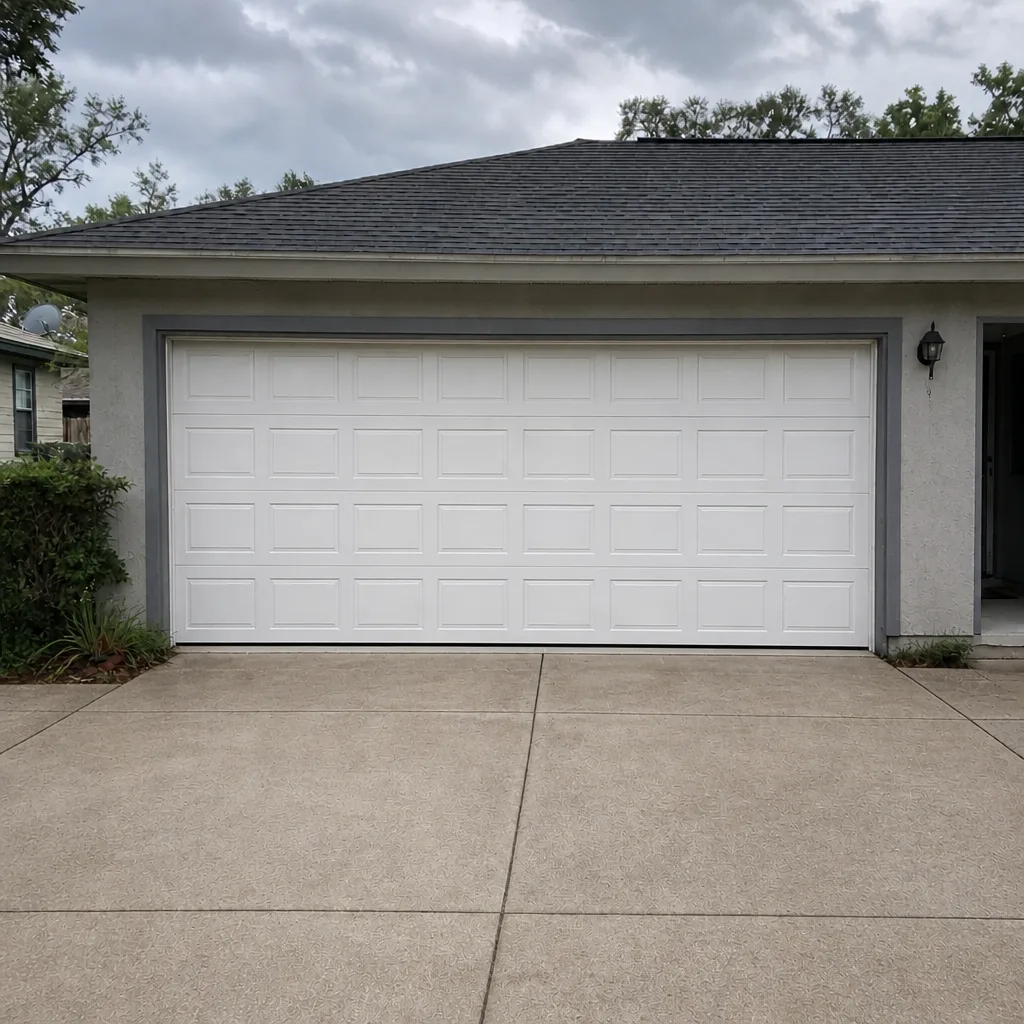 After
Common Mistakes to Avoid
- Using WD-40 on the springs. Happens more than any other mistake. It’s a solvent, not a lubricant, and it strips the protective coating off the steel just when it needs protection.
- Greasing the tracks. Tracks should be clean and dry. Grease turns a clean track into a dust trap, which wears the rollers faster. In Plant City’s dry, dusty months, this is a common reason a door that used to glide starts to drag.
- Adjusting the tension on a weakened spring yourself. This is the mistake that sends people to the emergency room. A torsion spring stores enough energy to be genuinely dangerous, and a DIY adjustment is not worth the risk. Call a technician.
- Skipping lubrication during the wet season. The humidity that builds up in a Florida garage is exactly when steel needs its protective film. Lubricating in late May and again in October covers the two stress points.
- Ignoring a door that reverses for no reason. That’s often a force or safety-reverse setting drifting out of spec, or a misaligned photo-eye sensor. Leave it and it can fail to reverse when it should.
- Waiting until a component breaks instead of maintaining it. A spring that fails while you’re backing the car down the driveway is more than an inconvenience; it’s a safety issue. The balance test catches the warning signs years before that happens.
- Using the wrong product on the weatherstripping. Petroleum-based grease degrades rubber. Use silicone.
When to Call a Professional
Some jobs are a phone call. Call a professional if you hear a loud snap from the spring area, if the door won’t open or close smoothly, if the balance test shows the door dropping or rising on its own, if the force test fails to reverse the door, if a cable looks frayed, or if the opener runs but the door doesn’t move. Those are all signs that something mechanical has failed or is about to, and they’re not situations to diagnose by trial and error. Plant City Garage Door Repair Pros offers free estimates in Plant City. We answer 24/7, with fast dispatch from 7am to 7pm, Sunday through Friday. Call (866) 329-6292 and one call covers it: repair, opener, spring, or full installation.
Frequently Asked Questions
Every six months in the Plant City climate, and we recommend spreading those two passes to late May and early October to bracket the wet season. Lubricate the springs, hinges, and roller bearings with a garage-door-specific aerosol lube, the rollers with lithium grease, and the weatherstripping with silicone, but never the tracks.
No. WD-40 is a solvent, not a lubricant, and it strips the protective coating from the steel. That leaves the spring exposed to the humidity that builds up in a Central Florida garage, which is a leading cause of premature spring failure. Use a dedicated garage-door aerosol lubricant instead.
The balance test checks whether the springs and door are in equilibrium by seeing if the door holds position when pulled off the opener. The force test checks whether the opener’s safety reverse engages when the door meets an obstruction. One catches spring wear, the other catches opener safety failure, and you should run both twice a year.
Once a year is right for most homes, ideally in early October as the dry season begins. A professional tune-up covers the spring wind and tension, a cable inspection, opening force and travel limits, track alignment, and the safety reverse calibration. That’s roughly 45 to 90 minutes depending on the door.
When two or more major components are past their expected lifespan, or when a door needs three repairs in a single season. At that point the arithmetic turns in favor of replacement. A free estimate will show you the comparison.
We’re trained and equipped to service eight of the most widely installed brands, including Clopay, Amarr, Wayne Dalton, and Craftsman, and we work on the brand you already own. Call (866) 329-6292 with your brand and we’ll tell you how we can help. Estimates are free.
The Bottom Line
A garage door maintenance schedule in Plant City should follow the local climate, not a generic national calendar. Lubricate in late May before the wet season and again in early October as the air dries out, use the right product on each component, and never put WD-40 or grease where it doesn’t belong. Run the balance test and the force test twice a year to catch spring and opener wear early. Know the lifespan benchmarks so you can tell when maintenance stops being worth it and replacement makes more sense. The rest of it, especially the spring and cable work, is what a specialist is for, and that’s the call worth making early. For a full tune-up or an honest equipment assessment, Plant City Garage Door Repair Pros handles garage door opener repair and everything else the door needs, all in one visit. Call (866) 329-6292 for a free estimate.
Written by the team at Plant City Garage Door Repair Pros.