
Last updated November 22, 2026
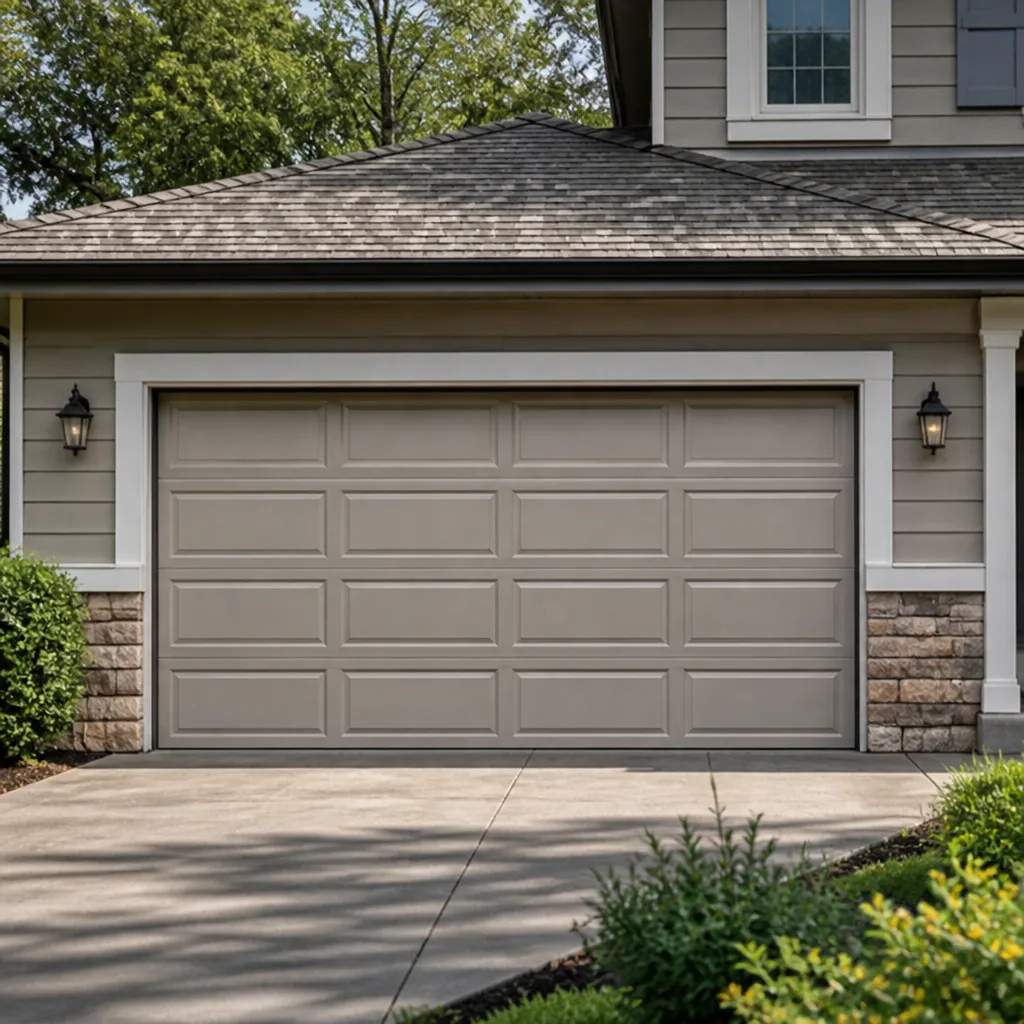 Raised-panel steel
 Carriage house
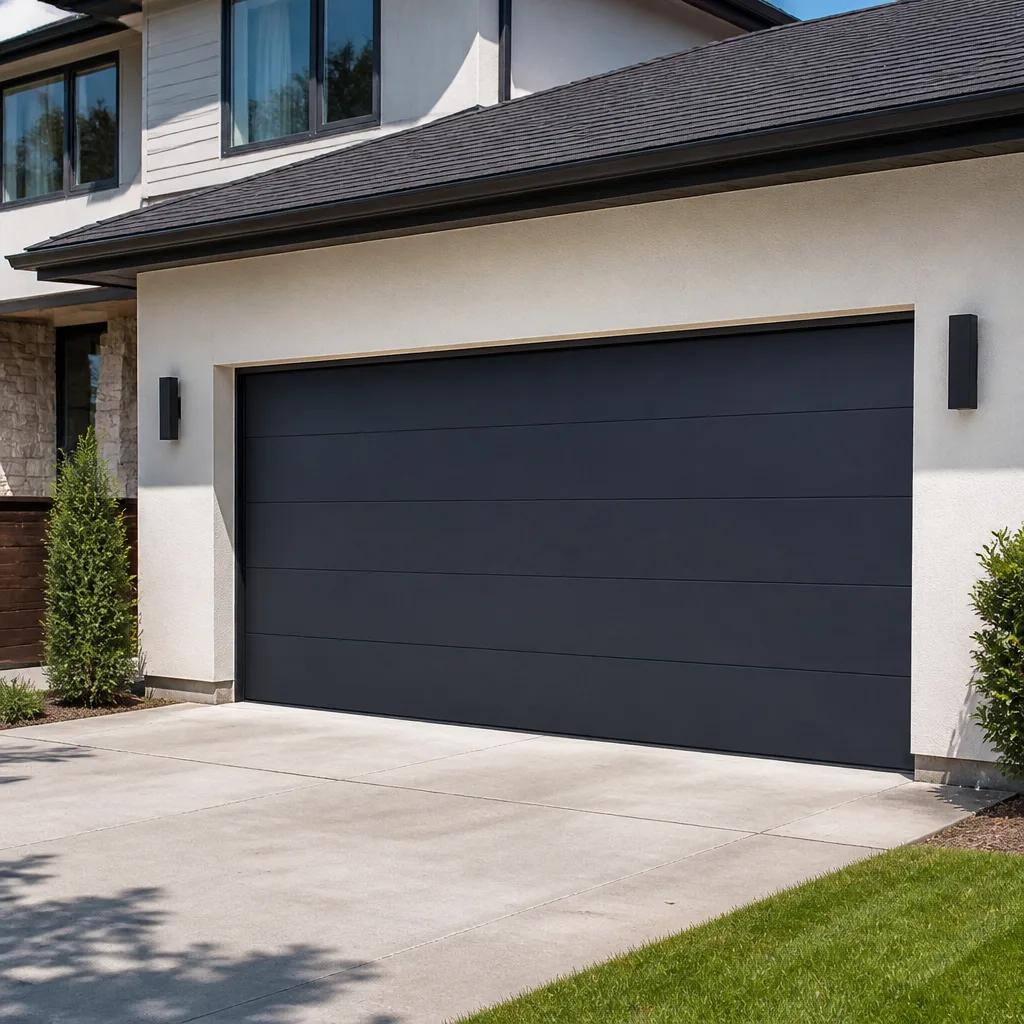 Modern flush
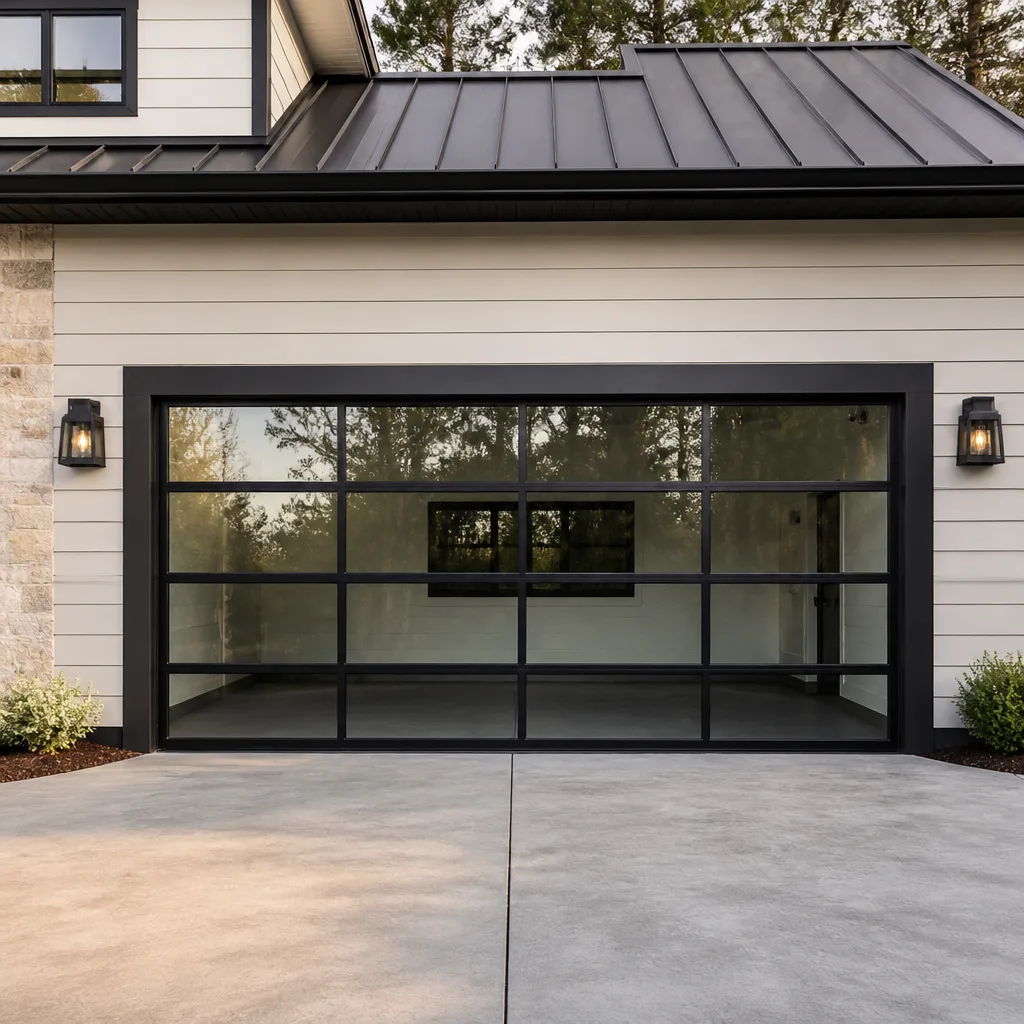 Full-view glass
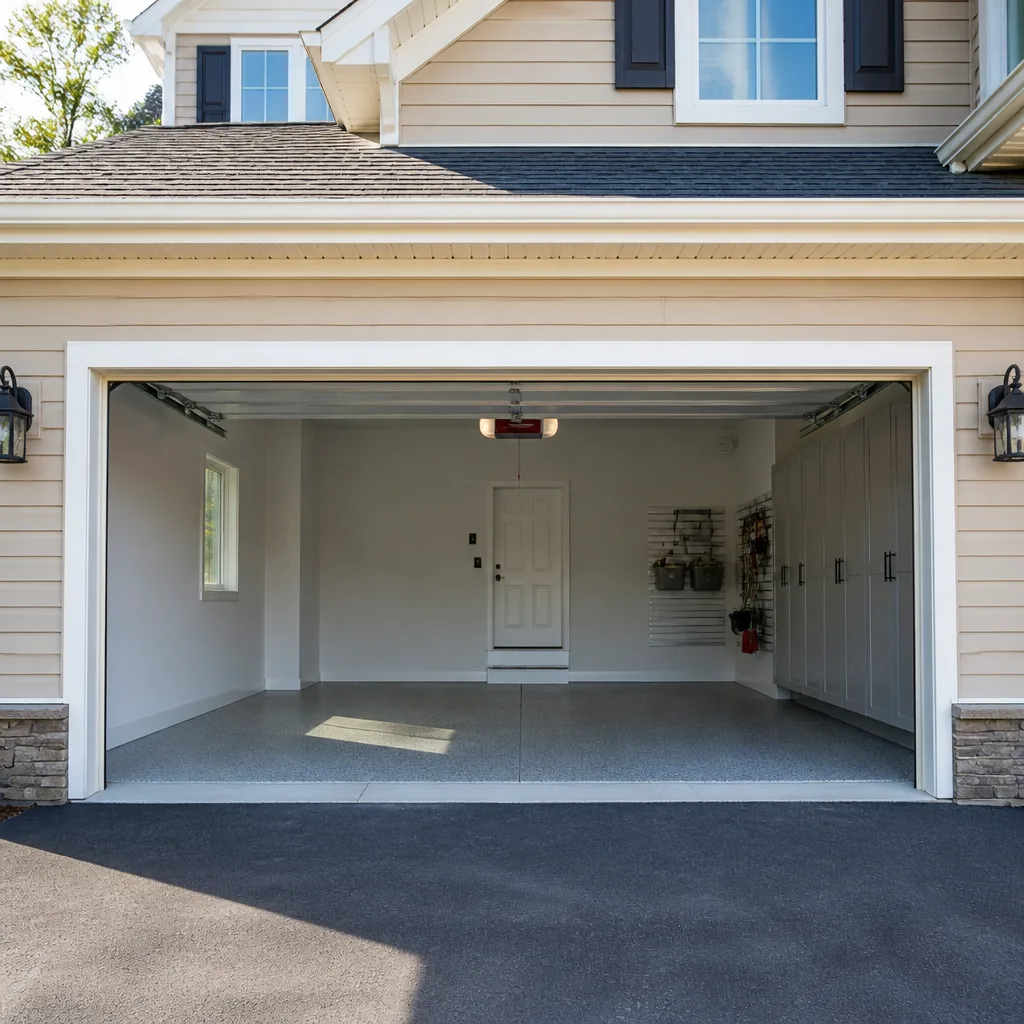 LiftMaster openers
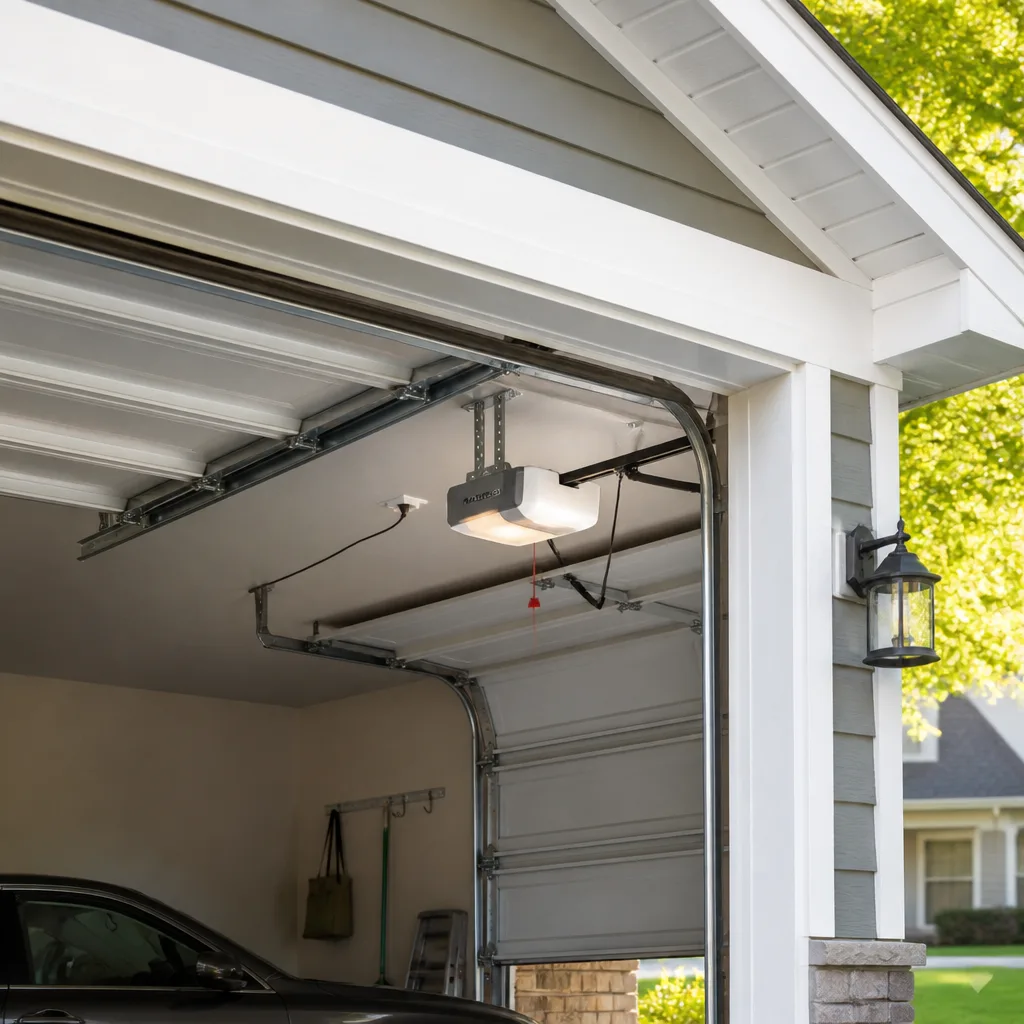 Chamberlain openers
Full 25-point door and opener safety check with every visit - springs, cables, rollers, tracks, and your LiftMaster or Chamberlain opener included
You get a price before we start. It does not change when the pro arrives.
Get your free estimateGarage Door Repair Troubleshooting in Plant City: Common Problems and How to Fix Them
A door that reverses before it closes and a door that won’t move at all look like different problems, but they often share the same root cause. Homeowners tend to diagnose the part they can see – the door, the opener light, the track – and miss the system behind it. That’s the most expensive diagnostic mistake you can make, because it sends you toward the wrong repair. This guide maps symptoms to the five mechanical categories every garage door problem falls into: noise, movement failure, opener signal, track and hardware, and spring and cable. By the end, you’ll know which category your Plant City door belongs to, whether it’s a safe DIY fix, and exactly when to stop and call a specialist.
Quick Answer
Most garage door problems trace to one of five categories: spring and cable failure, opener signal or logic faults, track and roller misalignment, movement failure from binding or balance issues, or noise from worn hardware. Diagnose which category your symptom belongs to before touching anything. Spring and cable work is genuinely dangerous and should always go to a trained technician, while sensor alignment, remote batteries and lubrication are safe for a homeowner to handle. Everything in between deserves a professional look.
Styles & brands we work with
- Raised-panel steel
- Carriage house
- Modern flush
- Full-view glass
- LiftMaster openers
- Chamberlain openers
Table of Contents
- The Five Categories Every Garage Door Problem Falls Into
- Why Won’t My Garage Door Move At All?
- The Reversal Loop: Limit Switch, Sensor, or Binding Track?
- Springs and Cables: The Category You Should Never Touch
- How Plant City Humidity Accelerates Specific Failures
- Opener Signal Problems: Remotes, Keypads and Logic Boards
- Noise Diagnosis: What Each Sound Tells You
- How to Document the Problem Before You Call
The Five Categories Every Garage Door Problem Falls Into
Garage doors are simple machines with five subsystems, and nearly every failure lands in exactly one of them. Learning to sort your symptom into the right bucket is the single most useful troubleshooting skill a homeowner can develop. Here’s how they break down:
- Spring and cable failure. The door is too heavy to lift, hangs crooked, or made a loud bang. This is the high-stakes category. Torsion springs and the cables that run with them store enormous energy, and a door in this state can fail suddenly.
- Movement failure. The opener runs but the door doesn’t move, or moves a few inches and stops. Often a stripped gear, a broken spring, or a disengaged trolley.
- Opener signal and logic. The door works from the wall button but not the remote, or the opener beeps, blinks, or ignores commands. Modern openers from LiftMaster and Chamberlain carry logic boards and safety reverse systems that throw specific fault patterns.
- Track and hardware. Grinding, scraping, a door that binds on one side, or rollers that jump the track. Usually visible on inspection.
- Noise. Squealing, rattling, or grinding that doesn’t stop the door from working but signals worn rollers, dry hinges, or a loose chain.
In Plant City, we see a predictable spread. Homes in older parts of town near the historic downtown district tend to have aging hardware and original springs, while newer construction on the edges of town often has opener signal problems tied to modern smart openers. Knowing your home’s age tells you which category is more likely before you even look at the door.
Why Won’t My Garage Door Move At All?
When the opener motor hums but the door stays put, the cause is almost always one of four things: a broken spring, a stripped opener gear, a disengaged manual release, or a door that’s bound up in its tracks. The order you check them matters because the safest checks come first.
Start with the manual release. Every opener has a red pull cord that disconnects the door from the motor. If someone pulled it – deliberately or by accident – the opener will run while the door stays still. Reconnecting the trolley is a safe homeowner fix.
Next, look at the door itself. With the opener disengaged, try lifting the door by hand about a foot. If it feels extremely heavy or won’t stay where you put it, the spring has likely failed. Stop there. Don’t force it. A door with a broken spring can drop without warning, and the spring itself holds stored tension that can release violently.
If the door lifts easily and balances, the problem is in the opener. A stripped drive gear is common on older units, and it produces a distinctive sound: the motor runs, you hear a grinding whine, but nothing moves. This is where brand familiarity speeds things up. A technician who works on Genie and Craftsman units regularly knows the gear sets and logic patterns those models use, and can often identify the failure from the symptom description alone.
If the door binds on one side or the opener strains but can’t finish the cycle, suspect track misalignment or a worn roller. That’s a mechanical adjustment, not a spring issue, and it’s covered on our garage door repair page in more detail. If the spring is the culprit, see our dedicated garage door spring repair page.
The Reversal Loop: Limit Switch, Sensor, or Binding Track?
A door that starts to close and then reverses is the most misdiagnosed problem in the trade. There are three distinct causes, and a single test tells you which one you’re dealing with: watch the door during the cycle and note exactly where it reverses.
- Reverses immediately after starting. Almost always the safety sensors. The two photoelectric eyes near the floor – one on each side of the opening – need to see each other. Spider webs, a leaf, dirt, or a knocked sensor will trigger a reversal every time. Wipe both lenses and check that the indicator light on each is solid, not blinking. This is safe to do yourself.
- Reverses at the same point mid-travel. That’s a limit switch or travel setting issue. The opener thinks it has hit the floor when it hasn’t. Modern LiftMaster and Chamberlain openers let you adjust travel limits, but if the setting keeps drifting, the logic board or a sensor in the opener is the real problem.
- Reverses at a random point, or the door looks crooked. This is a binding track. One side is running slower than the other, the door racks slightly, and the opener’s force sensor reads the resistance as an obstruction. Look down each track from the floor. A dented rail, a bent bracket, or a roller that’s popped out of the channel is visible in most cases.
That single test – location of the reversal – saves homeowners from replacing sensors when the track is bent, or adjusting limits when a roller is the problem. It’s also the test that tells you whether you’re looking at a ten-minute fix or a repair visit. If you’ve cleaned the sensors and leveled nothing and the door still reverses, that’s your signal to stop guessing.
Springs and Cables: The Category You Should Never Touch
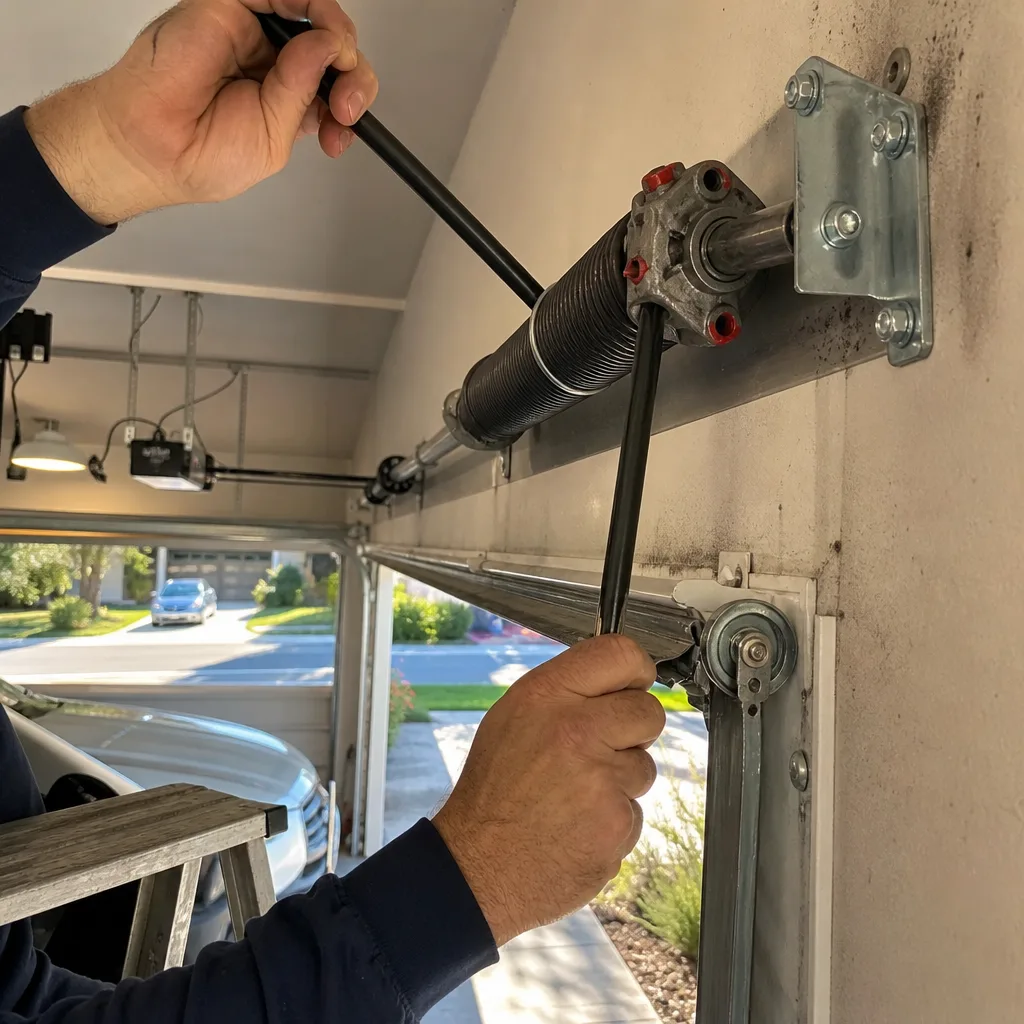
Torsion springs and the cables that run with them are under constant high tension, and they’re the one part of a garage door system that can seriously injure someone who doesn’t know what they’re doing. We say this plainly because it’s the most important safety line in this entire guide: spring and cable adjustment is not a DIY repair.
When a torsion spring breaks, it usually announces itself with a loud bang, and the door becomes very heavy. Extension springs, found on some older doors, can snap and swing. Cables fray, jump their drums, or come off entirely, and a door hanging on one cable is unbalanced and unpredictable. The winding and unwinding of a torsion spring requires specific tools and a working knowledge of how much tension is stored at each turn. General handymen often decline this work for exactly that reason, and when they do attempt it, the results tend to be worse than the original failure.
What a homeowner can safely do:
- Keep the door closed and keep people and vehicles clear of it.
- Look at the spring above the door without touching it. A visible gap in the coil means it’s broken.
- Don’t run the opener repeatedly to “see if it works.” A strained opener with a broken spring will strip its own gears.
- Note whether the door hangs level or crooked, and whether any cable looks slack or off its drum.
Spring repair done right, done safely, is a specialist’s job. Our technicians have up to 10 years of experience with this exact failure, and our Plant City Garage Door Repair Pros team treats spring work as a named specialty rather than an occasional task.
How Plant City Humidity Accelerates Specific Failures
Plant City’s warm, humid climate does specific things to garage door hardware that troubleshooting guides written for dry climates never mention. The garage is often the least ventilated space in a Florida home, and that trapped moisture shows up in predictable places.
Bottom seals rot faster. The rubber or vinyl seal along the bottom of the door sits against a concrete slab that stays damp through the rainy season. It cracks, flattens, and stops sealing, which lets water, insects, and the occasional lizard into the garage. A rotted seal is also a common reason a door looks closed but the sensors or the opener think it isn’t. Replacing a bottom seal is a reasonable homeowner job on most doors.
Torsion springs corrode. The coil on a torsion spring collects condensation, and over time the steel oxidizes along the coil. Corrosion shortens spring life and can cause a spring to fail earlier than its cycle count would suggest. If you live in an area of Plant City where the garage faces the afternoon storms, this happens faster. When you notice rust streaking on the spring, it’s worth having it inspected before it fails.
Rollers and hinges stiffen. Nylon rollers hold up reasonably well, but steel rollers and the hinges that connect panels will dry out and squeal in humidity. A silicone-based lubricant on the hinges, rollers and springs is the one maintenance step homeowners can safely take, and it’s the highest-value thing you can do for a door in this climate. Avoid heavy grease, which traps grit.
Panel paint and wood doors suffer. On a wood or painted steel door, humidity works under the paint at the bottom edge. If you see bubbling or peeling along the bottom panel, that’s where a small repair becomes a panel replacement if it’s ignored.
Opener Signal Problems: Remotes, Keypads and Logic Boards
When the wall button works but the remote doesn’t, you’re in the opener signal category, and the fix is usually cheaper than homeowners expect. Work through this sequence before assuming the opener needs replacing.
- Change the remote battery. Obvious, and it’s the cause more often than people accept. Test with a second remote if you have one.
- Check the lock or vacation mode. Many openers have a lockout setting that disables remotes while leaving the wall button active. It’s a common accidental activation.
- Re-pair the remote. Modern openers from LiftMaster, Chamberlain and Genie use rolling codes, and a remote can lose its pairing after a power surge or a lightning strike nearby. Re-pairing follows a sequence specific to each opener, usually printed on the unit or the manual.
- Look for interference. LED bulbs, especially in the opener itself, and certain nearby electronics can jam a remote’s frequency. If the remote works from the driveway but not from inside, suspect interference before a dead opener.
- Consider the logic board. If the wall button also fails intermittently, the opener’s circuit board is the likely culprit. A board failure produces symptoms that look random, and a technician who knows the brand can often isolate it quickly.
For a deeper walkthrough of opener diagnosis by model, see our garage door opener repair page. If your opener is on its last legs, our garage door installation team handles full opener and door replacement with a proper measure and a written quote.
Noise Diagnosis: What Each Sound Tells You
Noise is the earliest warning your door gives you. Each sound comes from a specific part, and matching the sound to the hardware is straightforward once you know the vocabulary.
- Squealing or high-pitched whine. Dry hinges and rollers. Lubricate the hinges at each panel joint and the roller stems with a silicone spray. If it persists, a roller bearing has failed.
- Rattling or clanking. Loose bolts on the hinges, brackets, or track. A quick visual check with a wrench will find most of them. Also check that the door’s center bracket is snug.
- Grinding. A worn roller, a bent track, or a chain that’s rubbing. If it comes from the opener itself, suspect the drive gear.
- A single loud bang. A broken torsion spring. See the springs section above, and don’t operate the door.
- Rhythmic thumping or scraping. Something is out of alignment. On a bent track or a door that rubs the frame, you’ll often see a shiny wear mark where the contact happens.
One useful distinction: noise that comes from the door usually means hardware, while noise from the opener unit means the motor, chain, or gear. Stand in the garage and listen with the door running in both directions. The direction that produces the noise tells you which part is loading up.
How to Document the Problem Before You Call
The goal of documenting the problem is to make your first visit a repair visit, not a second diagnostic call. Technicians can move much faster with a clear symptom description, and on a busy week in Plant City, that can be the difference between fixing it today and scheduling a follow-up. Here’s what to write down or photograph
- What happens and when. “Door reverses halfway down” is precise. “Door doesn’t work right” is not. Note the direction of travel and the point in the cycle where the failure occurs.
- What the opener does. Do the lights blink? Does it beep? Do you hear the motor run with no movement? Make and model number if you can find the sticker on the unit, because brand-specific knowledge speeds up diagnosis considerably.
- A short video. Thirty seconds of the door in action is worth more than any description. Film from a spot where the whole door and the tracks are visible.
- Photos of the spring, tracks, and sensors. A photo of the spring coil, both track ends, and both sensor eyes gives the technician a head start.
- When it started. After a power outage, a storm, a manual release, or suddenly with no obvious cause – each points to a different category.
If you can do those five things, you’ll walk a technician straight into the right category before they’ve touched the door.
Common Mistakes to Avoid
- Forcing a heavy door by hand. If the door won’t lift with two fingers, the spring or cable has likely failed. Pulling harder stresses the opener and puts you near a loaded spring.
- Assuming a reversal means bad sensors. As covered above, a bent track and a limit switch produce the same symptom. Test where the reversal happens before ordering parts.
- Ignoring a bottom seal in Plant City. The humidity here rots seals faster than most homeowners expect, and a failed seal lets water into the garage and up into the door’s bottom panel.
- Over-lubricating with the wrong product. Heavy grease traps grit and makes things worse. Use a silicone spray, and keep it off the tracks and sensors.
- Running the opener with a broken spring. The motor will strip its gears trying to lift a door it was never designed to lift.
- Calling a general handyman for a spring or cable. Many decline the work for good reason, and when they attempt it, the results can be a door that fails again or a safety hazard.
- Not noting the opener brand and model. A quick photo of the unit’s sticker saves time and lets a technician arrive prepared for that specific model.
See the difference
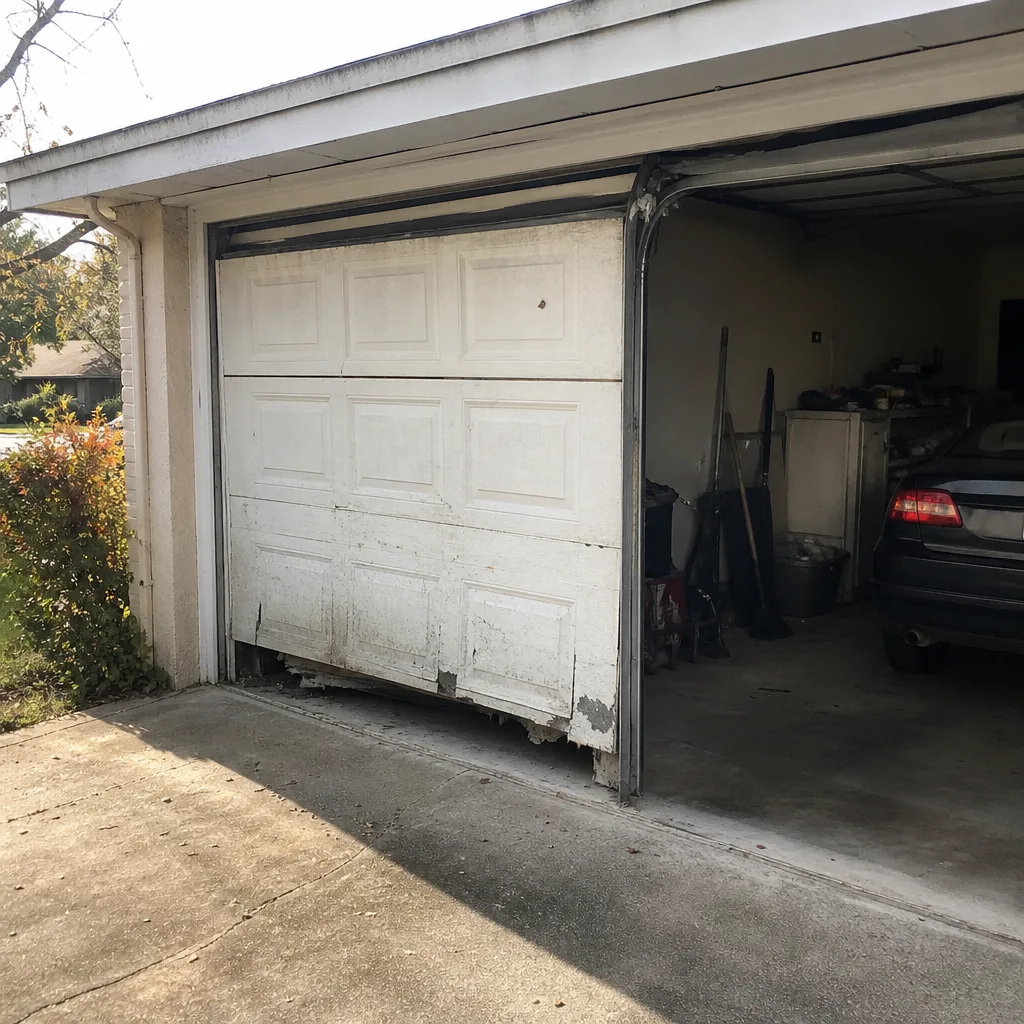 Before
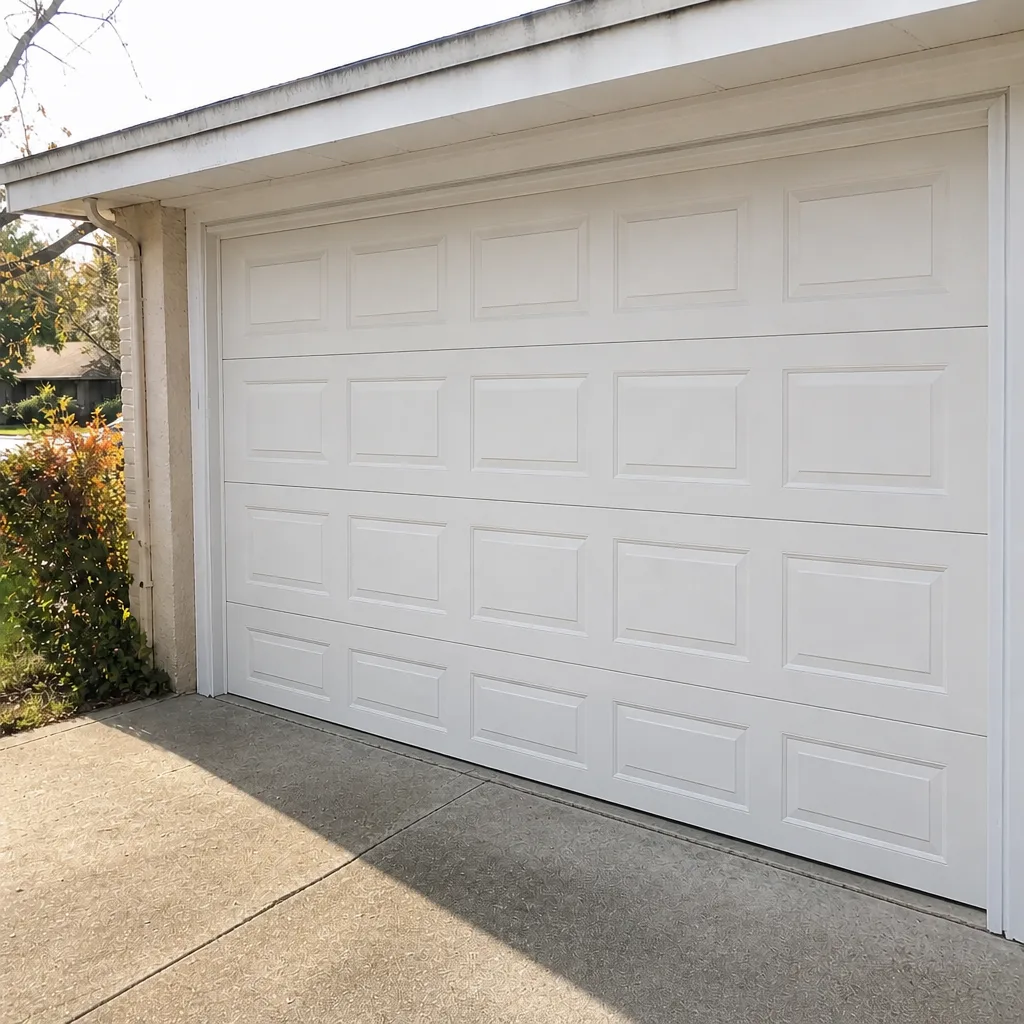 After
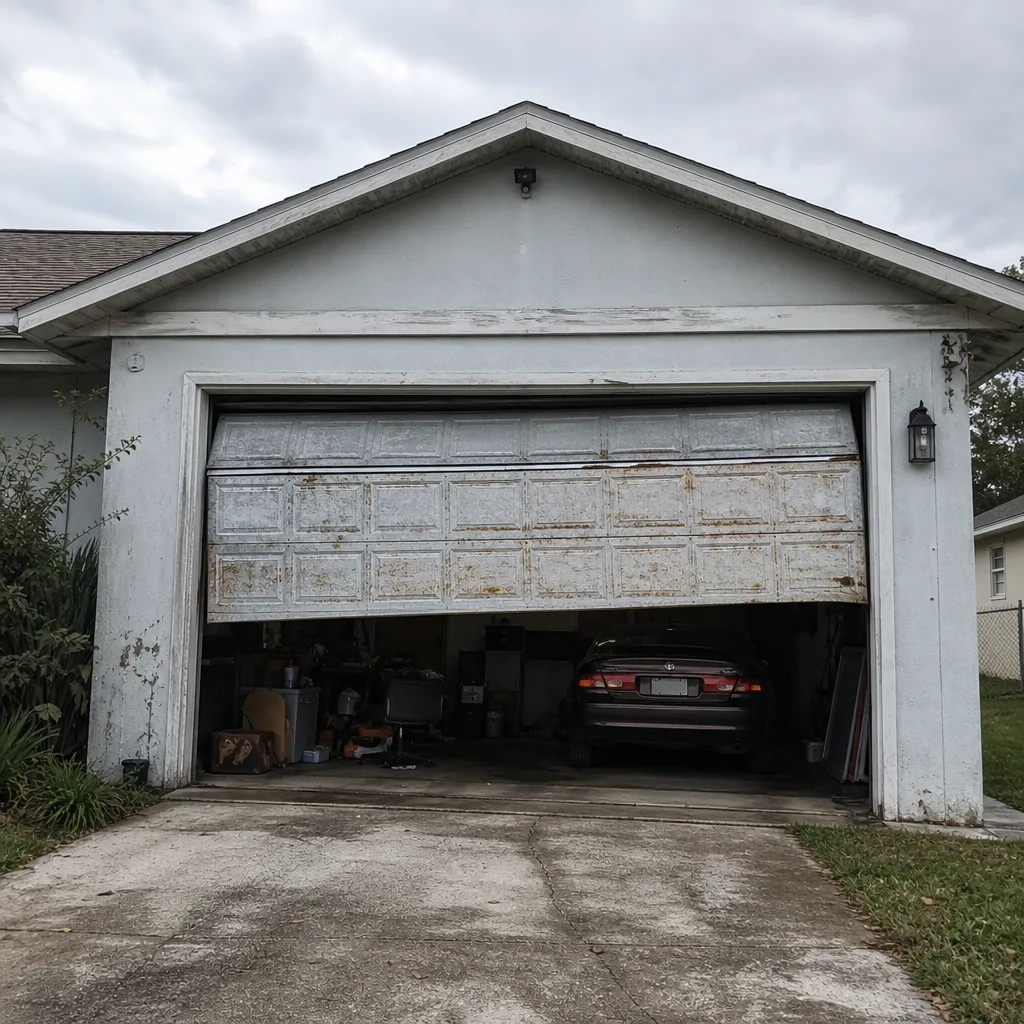 Before
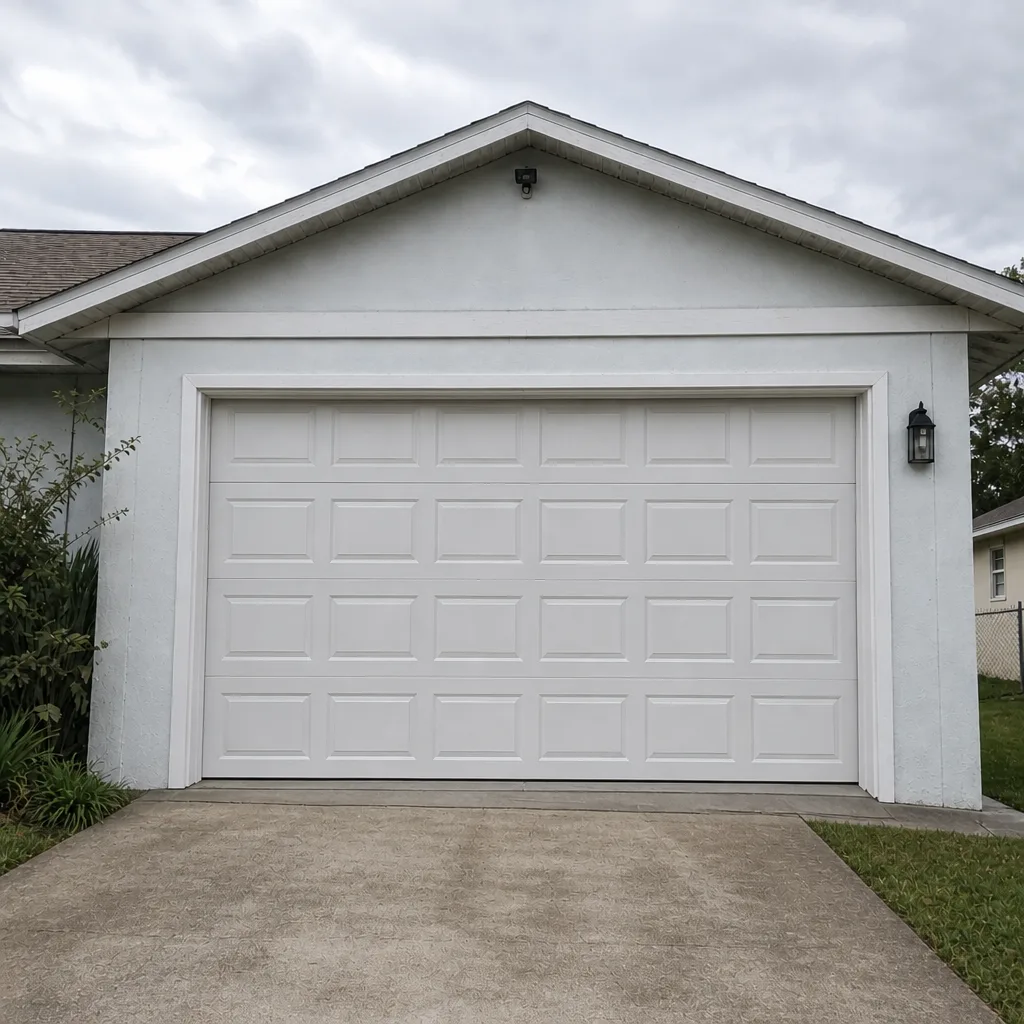 After
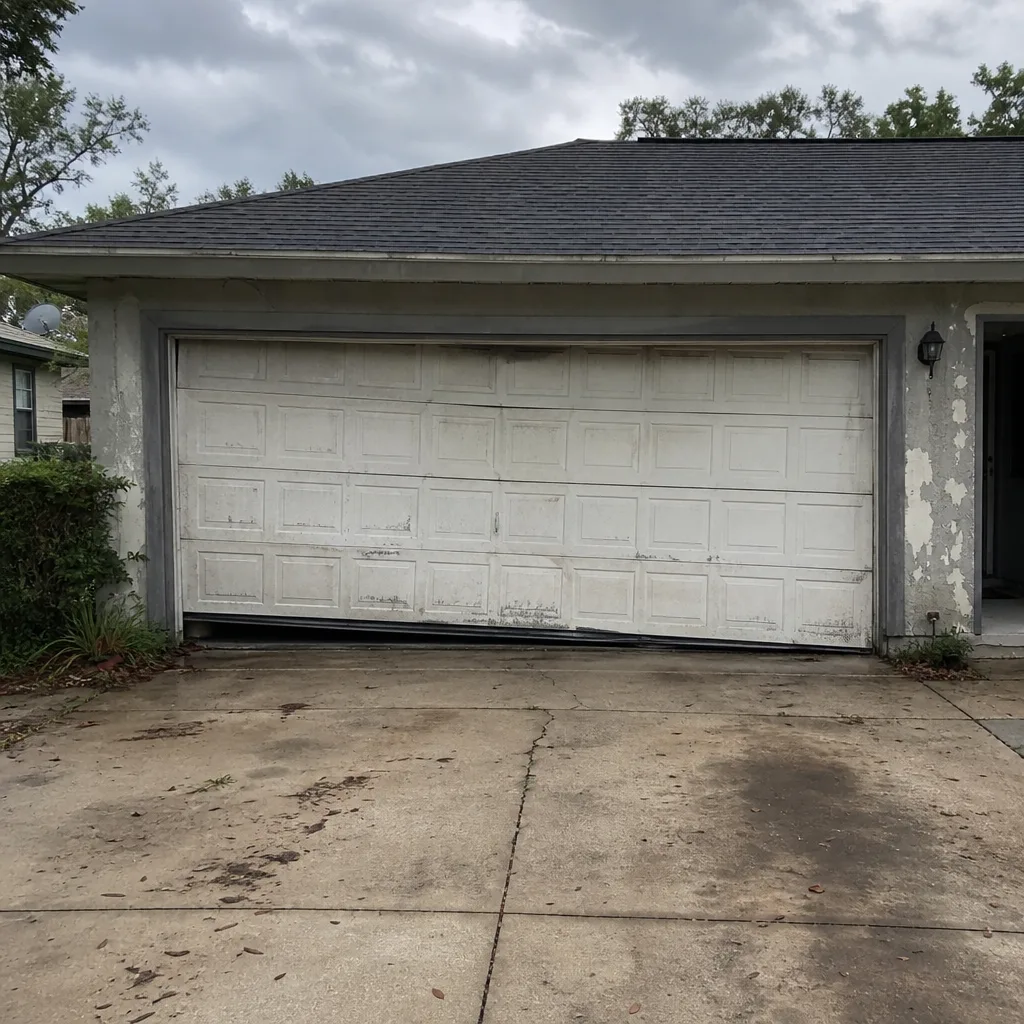 Before
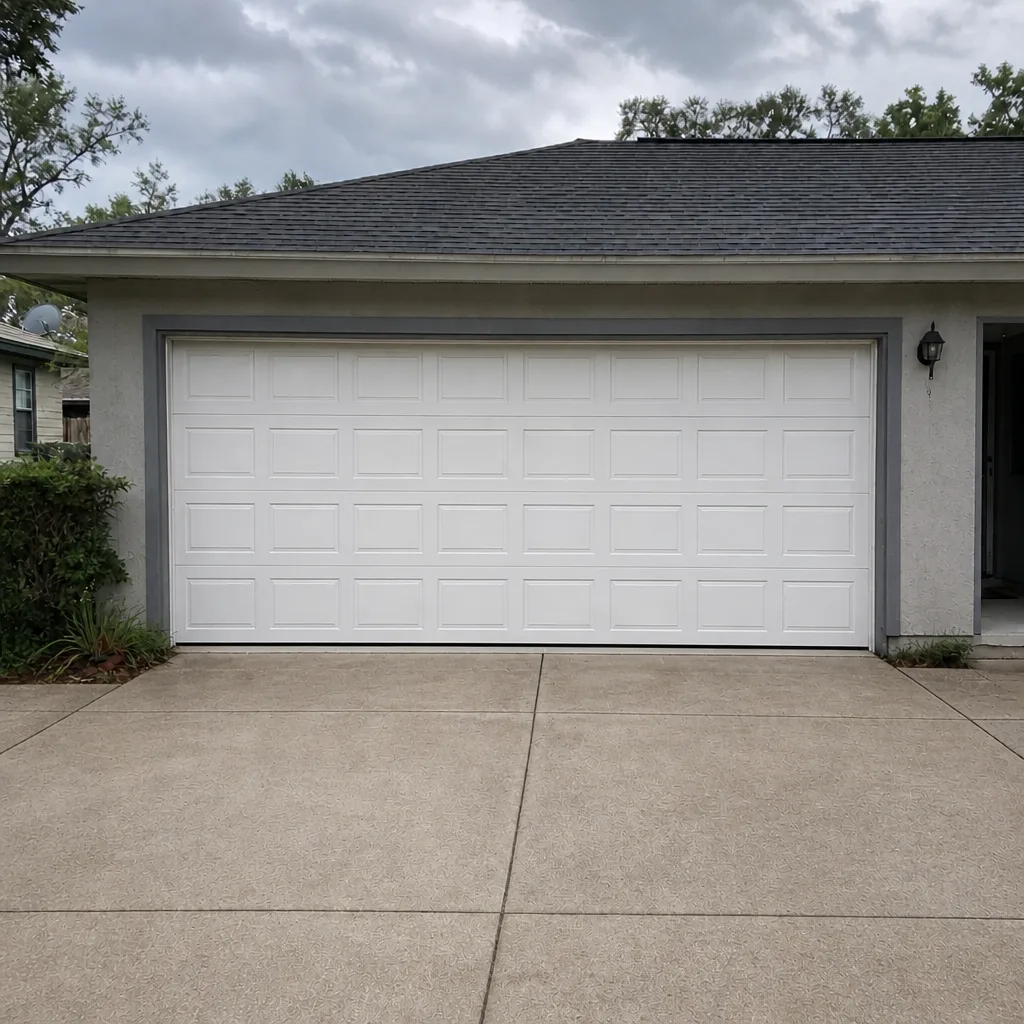 After
When to Call a Professional
Call a professional immediately when the door won’t move at all, the spring is visibly broken or rusty, a cable is slack or off its drum, the door hangs crooked, or the opener hums without moving anything. These signal spring, cable, or drive-gear failures that put you in the danger category. Also call when you’ve cleaned the sensors, checked the remotes, replaced the batteries, and the door still misbehaves – at that point you’re past the safe DIY range and into a repair that needs the right tools and brand-specific knowledge.
Plant City Garage Door Repair Pros offers free estimates in Plant City – call (866) 329-6292. We answer 24/7. Fast dispatch from 7am to 7pm, Sunday through Friday.
Frequently Asked Questions
A broken garage door spring is usually obvious: the door feels extremely heavy when you try to lift it, it hangs crooked, and there’s often a visible gap in the spring coil above the door. You may have heard a loud bang. Don’t test a broken spring by running the opener – the motor can strip its own gears. Call (866) 329-6292 for a diagnosis, and keep everyone clear of the door until a technician looks at it.
Yes. The safety sensors near the floor are one of three classic reversal causes, and they’re the easiest to check: wipe both lenses, confirm each indicator light is solid rather than blinking, and make sure nothing is blocking the beam. If the door still reverses, note where in the cycle it happens – an immediate reversal points to sensors, a mid-travel reversal points to a limit switch, and a crooked reversal points to a binding track.
Garage door repair cost depends entirely on which subsystem has failed – a sensor adjustment is a very different repair from a spring replacement or a track rebuild. The safest way to know is to get a written estimate before any work starts. Call (866) 329-6292 for a free estimate; our technicians have up to 10 years of experience and will diagnose the category, quote the repair, and show you the parts involved.
That combination almost always means the remote or its pairing, not the opener. Change the battery first, check that lock or vacation mode isn’t active, then re-pair the remote. If a second remote behaves the same way, suspect signal interference or the opener’s receiver. If the wall button also fails occasionally, the logic board is the likely cause and needs a technician.
No. Torsion springs and the cables attached to them are under high tension and can release violently if handled incorrectly. Spring adjustment requires specific tools and knowledge of how the tension changes as you wind and unwind. This is the one part of garage door work where the honest advice is to stop and call a trained professional, which is exactly why we treat spring repair as a specialist service, not a general handyman job.
Lubricate hinges and rollers with a silicone spray, inspect the bottom seal for rot and replace it before water gets into the door, watch the torsion spring for rust, and keep both sensor lenses clear. In Plant City’s humid climate, these four steps catch most of the problems that could otherwise turn into a larger repair. If the door starts squealing or reversing, address it early rather than waiting.
The Bottom Line
Garage door troubleshooting comes down to identifying which of five categories your symptom belongs to, then deciding whether it’s a safe homeowner fix or a job for a specialist. Sensors, remotes, lubrication, and bottom seals are reasonable to handle yourself. Springs, cables, and movement failures are not. Plant City’s humidity accelerates seal rot, spring corrosion, and hinge wear, so a little attention goes a long way. And documenting the problem before you call makes the first visit a repair visit. When in doubt, call the specialists.
Whether the door is stuck open, the opener has quit, the spring has snapped, or you’re ready for a full replacement, one call covers it – repair, opener, spring, or full installation. We work on the brands you already own, including Raynor, LiftMaster, Chamberlain, and Genie, and our full-service expertise covers the whole ownership lifecycle. Call (866) 329-6292 for a free estimate. We answer 24/7. Fast dispatch from 7am to 7pm, Sunday through Friday.
Written by the team at Plant City Garage Door Repair Pros.