
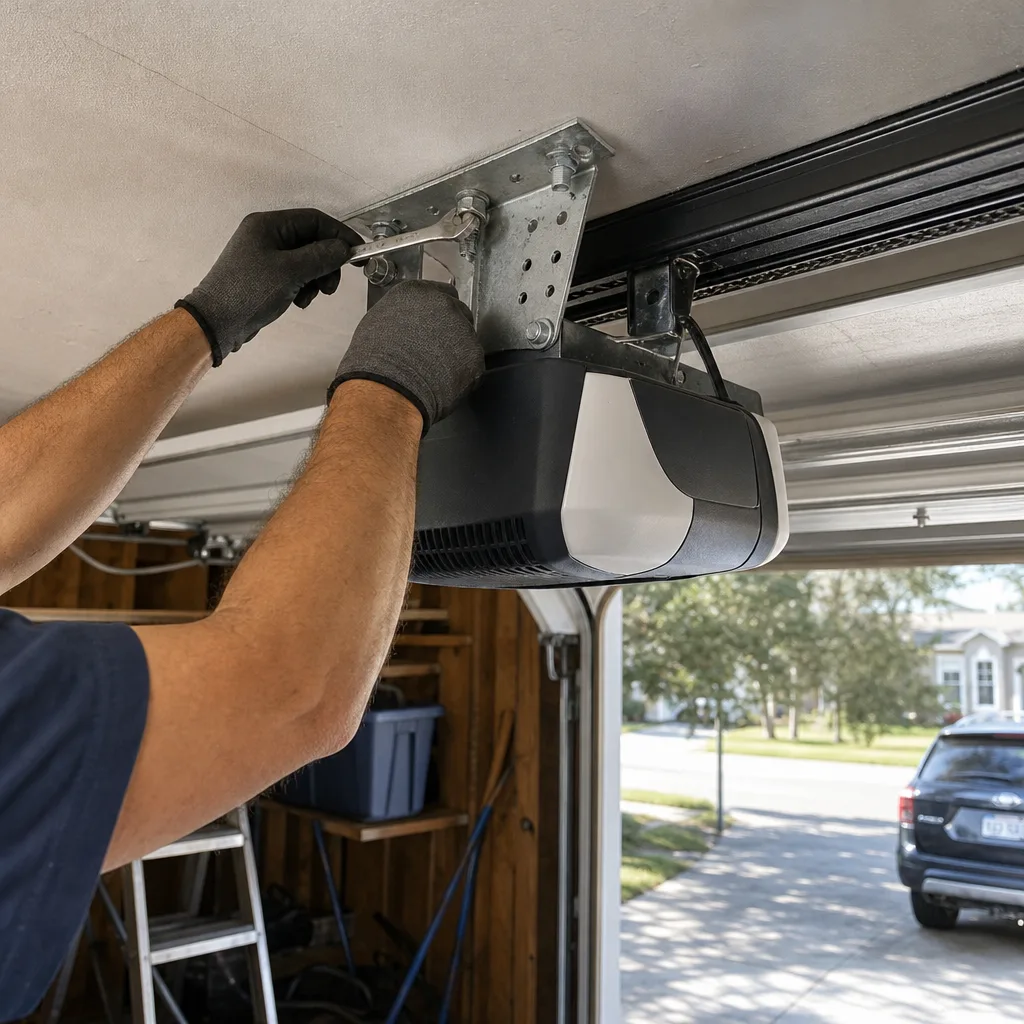
Last updated November 22, 2026
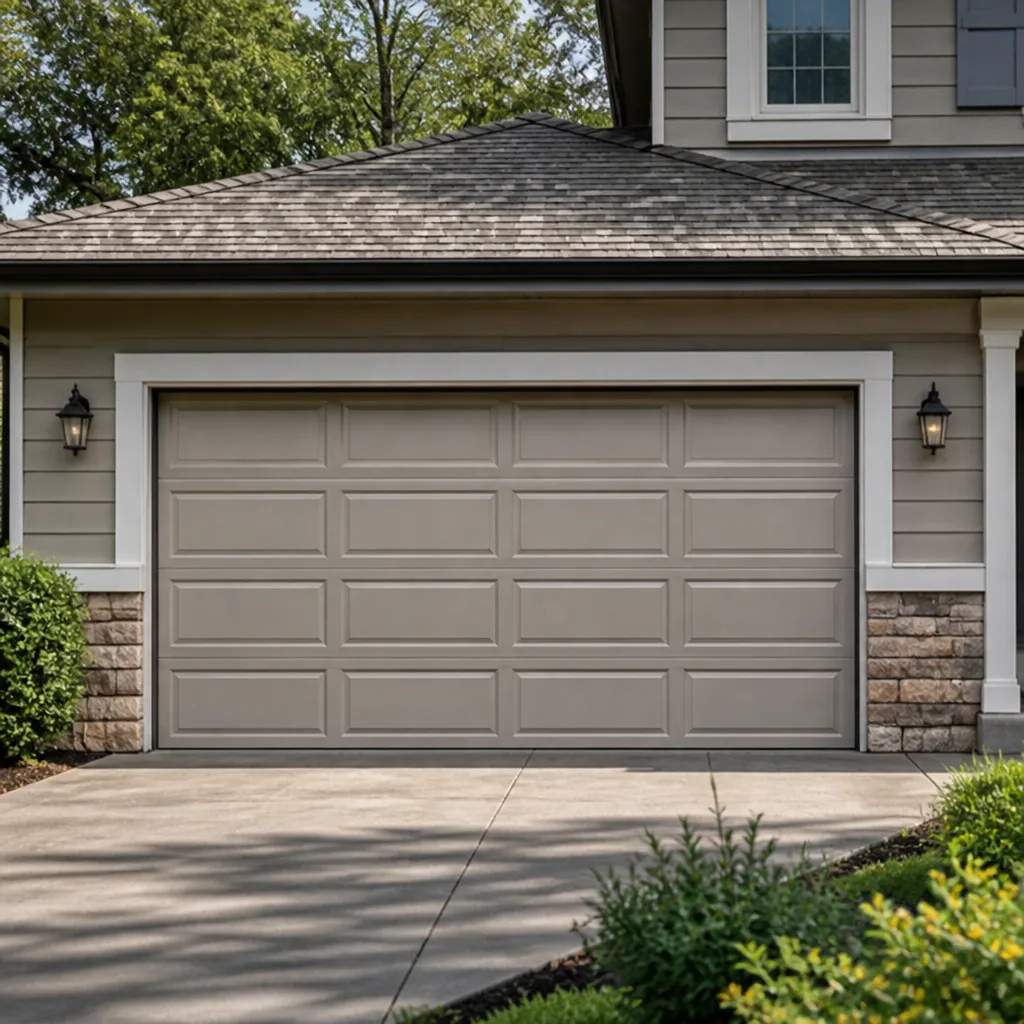 Raised-panel steel
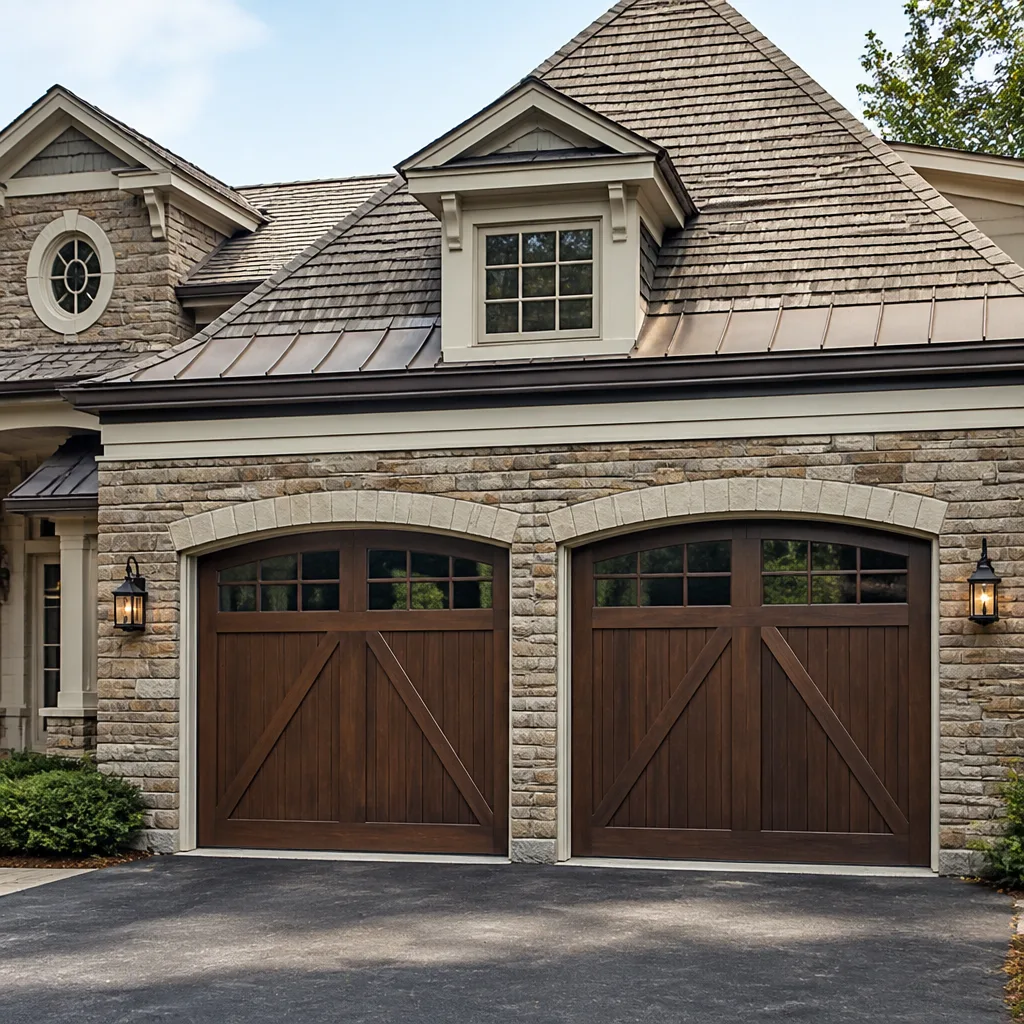 Carriage house
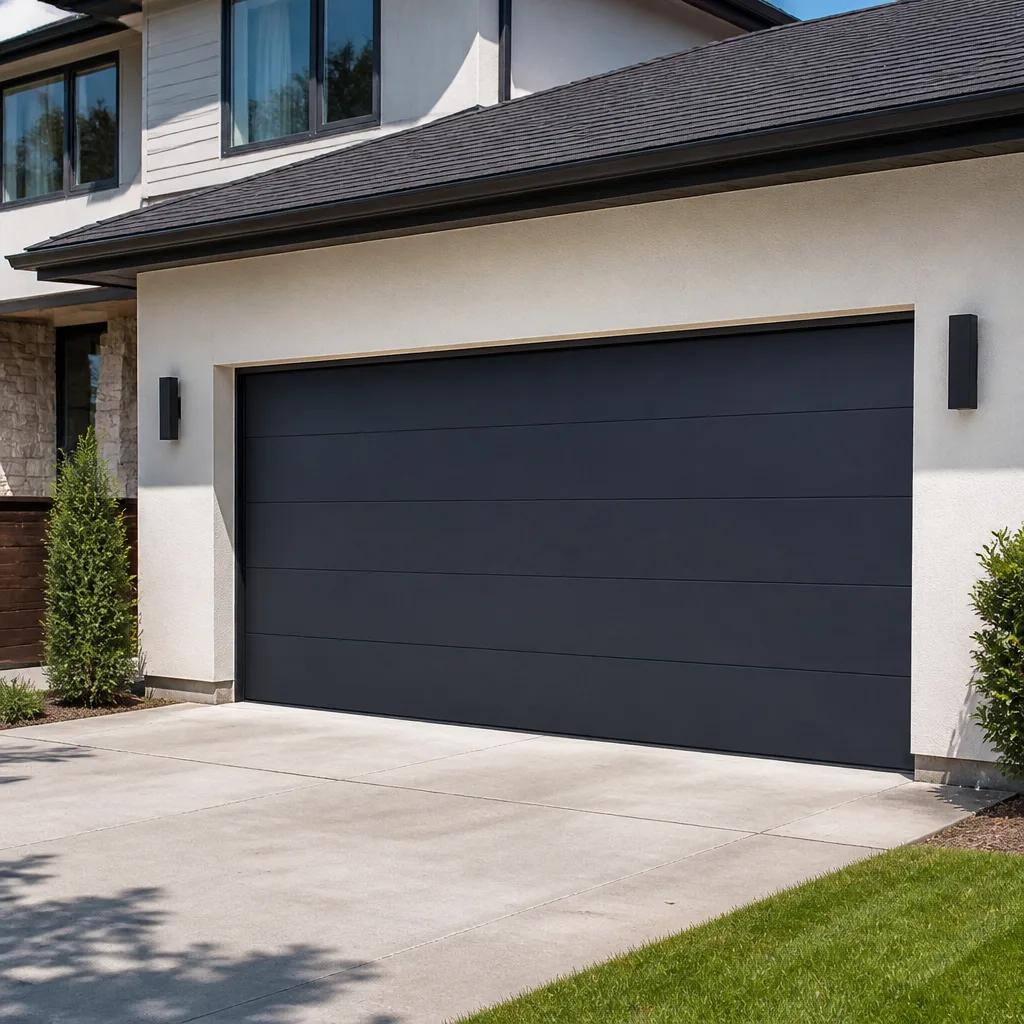 Modern flush
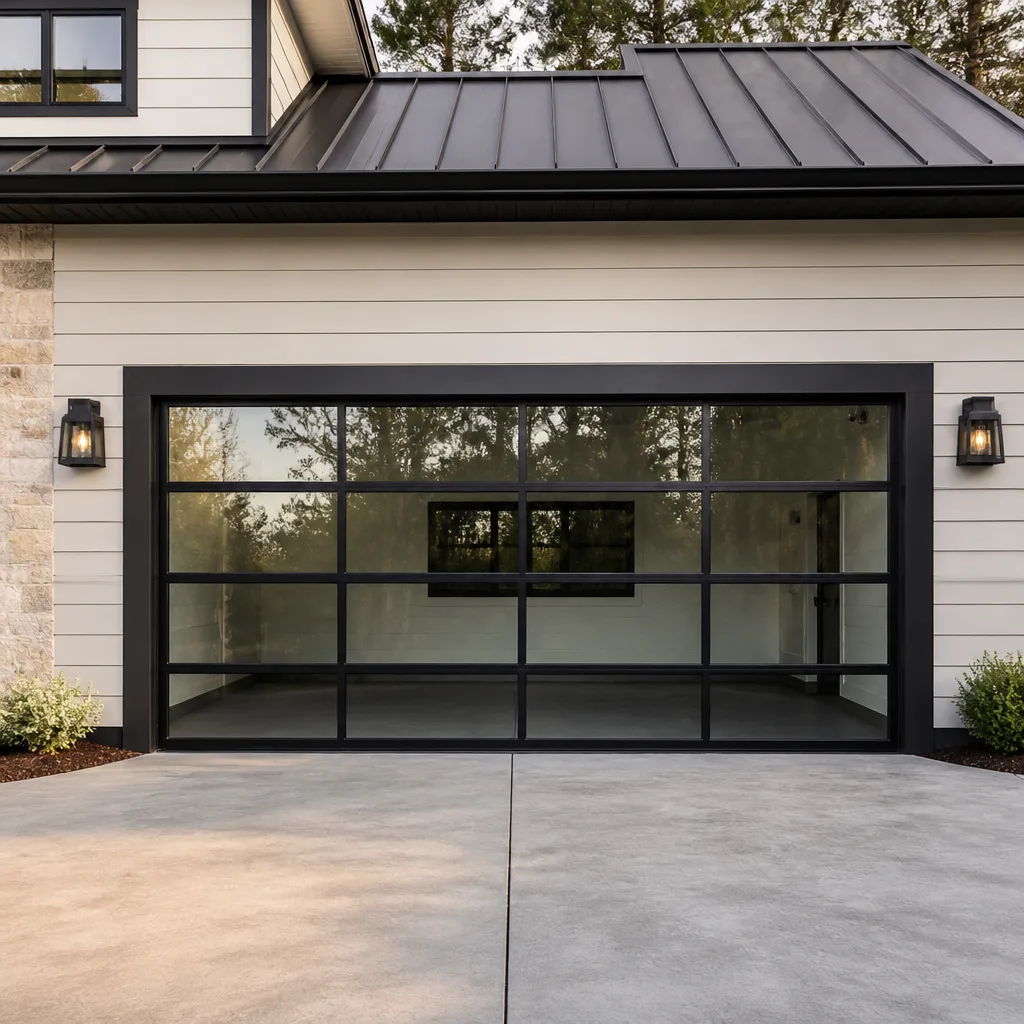 Full-view glass
 LiftMaster openers
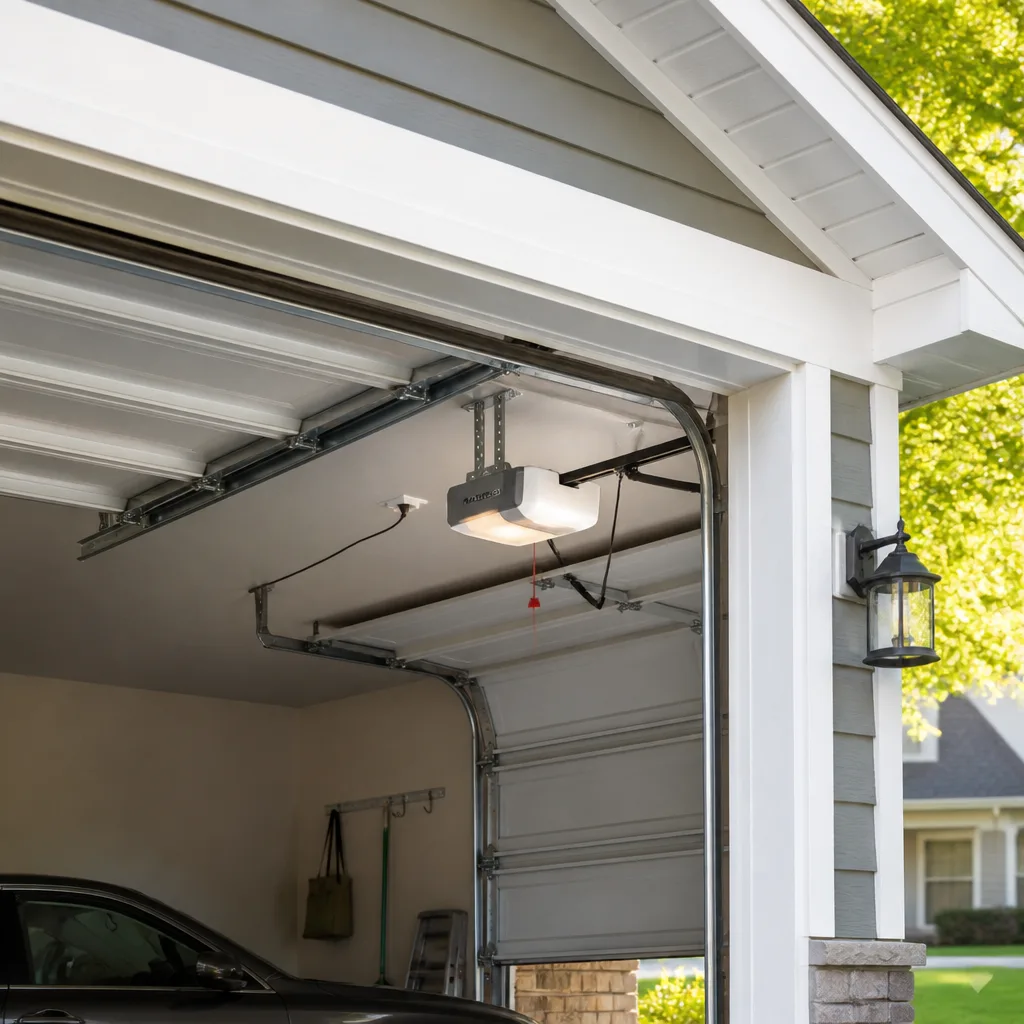 Chamberlain openers
Full 25-point door and opener safety check with every visit - springs, cables, rollers, tracks, and your LiftMaster or Chamberlain opener included
You get a price before we start. It does not change when the pro arrives.
Get your free estimateHow to Hire a Garage Door Contractor in Plant City: A Step-by-Step Guide
A handyman who installs garage doors isn’t a garage door company. That difference is invisible on a Craigslist quote, and it becomes very visible when the spring snaps six months later and there’s no warranty to call. Most homeowners in Plant City shop for a contractor by price and by how fast someone can get out there, which are two reasonable things to care about. The problem is that neither tells you whether the person standing in your driveway knows a torsion spring from an extension spring, or whether they’ll still be reachable when the door starts binding in July. This guide walks through what to verify, what to ask, how to read an estimate, and where the quiet traps sit so you can hire once and hire right.
Quick Answer
Hire a dedicated garage door specialist, not a general handyman, and verify three things before anyone touches the door: that the contractor holds the right Florida license category and you’ve checked it yourself, that the estimate itemizes parts and labor separately, and that the warranty covers parts for a real period rather than labor only. In Plant City, ask specifically about spring type and brand familiarity, because a specialist answers those instantly and a generalist hedges.
Styles & brands we work with
- Raised-panel steel
- Carriage house
- Modern flush
- Full-view glass
- LiftMaster openers
- Chamberlain openers
Table of Contents
- Why a Garage Door Specialist Beats a General Handyman
- How Do You Verify a Garage Door Contractor’s License in Florida?
- What Questions Reveal Whether Someone Is a Specialist?
- How Should You Read a Garage Door Estimate?
- What Does a Legitimate Warranty Look Like in Florida?
- Why Is the Lowest Bid Often the Riskiest in Plant City?
- Why Brand Familiarity Matters for Your Existing Door
- A Step-by-Step Hiring Checklist
Why a Garage Door Specialist Beats a General Handyman
A garage door is a balanced mechanical system under constant tension, and almost everything that goes wrong with it involves stored energy. Torsion springs, cables, drums, and hinges all work together in a way that rewards someone who has taken these assemblies apart hundreds of times. A general handyman can hang a new door or swap a wall-mounted opener, and that’s genuinely within reach for plenty of jobs. Where the trouble starts is diagnosis.
When a door won’t open, the visible symptom is the same whether the cause is a snapped spring, a stripped opener gear, a misaligned track, or a cable that’s jumped a drum. A specialist narrows that down in minutes because they’ve seen the pattern before. A generalist often replaces the most obvious part and hopes, which is how homeowners end up paying twice for the same problem.
Spring work is the clearest dividing line. Many handymen decline it outright, and some who accept it shouldn’t. A torsion spring carries enough stored force to cause serious injury if it’s released without the proper winding bars and technique, which is why we treat spring repair as a named specialty rather than a side task. You can read more about how we handle that work on our garage door spring repair page. Single-trade focus means every tool on the job is there for a garage door and nothing else.
- Diagnosis speed: a specialist identifies the actual failed part instead of guessing from symptoms.
- Safety: spring and cable work involves stored tension that requires specific tools and training.
- Brand fluency: every major opener and door brand has its own quirks, and familiarity shortens the job.
- Parts sourcing: specialists know which replacement parts actually fit your door model.
- Accountability: a specialist has a reputation built entirely on garage doors, so the work has to hold up.
None of this means every handyman is careless. It means the work is specialized enough that generalist coverage is a gamble, and the homeowner carries the risk when the gamble loses.
How Do You Verify a Garage Door Contractor’s License in Florida?
You verify a Florida garage door contractor by finding their license in the state database maintained by the Department of Business and Professional Regulation (DBPR) and confirming the license type matches the work being done. This takes about two minutes once you know where to look, and it’s the single most useful step in the entire hiring process.
Florida doesn’t have one tidy category labeled “garage door contractor.” Garage door installation and repair generally falls under specialty or general contracting categories depending on scope, and a contractor doing structural work, electrical connections for openers, or full installation may hold a different license type than someone doing repairs only. Rather than assume a category applies, ask the contractor which license they hold and what it covers, then confirm it yourself. The DBPR license lookup lets you search by name or license number and see the status, the type, and whether there are complaints on record.
- Ask the contractor for their license number before the visit, not after.
- Open the Florida DBPR license search and enter the number.
- Confirm the license status is active and current.
- Confirm the license type actually covers the scope of your job.
- Check that the business name on the license matches the name on the estimate.
- If anything doesn’t match, walk away. A mismatch is a real signal, not an administrative slip.
For anything involving the electrical side of an opener, or the structural attachment of a door and its tracks, the license question matters more, not less. If a contractor can’t tell you their license number without looking it up and getting back to you, that’s a reasonable thing to be patient about. If they can’t produce one at all, that’s your answer. When in doubt about what your own city requires for a particular job, call Plant City’s building department and ask directly; they’ll tell you what permits or inspections apply.
What Questions Reveal Whether Someone Is a Specialist?
The fastest way to tell a specialist from a generalist is to ask a technical question the work itself demands. Specialists answer these without hesitation because the answers are part of their daily routine. Generalists either avoid the question or answer in vague terms. You don’t need to understand every detail of the answer; you need to notice whether one comes easily.
The strongest question involves spring type and wire diameter. Torsion springs and extension springs are fundamentally different systems, mounted differently and sized differently, and the wire diameter of a spring has to match the door’s weight and cycle life. Ask a contractor to explain which spring system your door uses and how they size a replacement. A specialist will look at the spring, tell you the type immediately, and explain that wire gauge and inside diameter both factor into the replacement. A generalist often can’t tell you what’s on the door until they’ve spent time looking, and sometimes not even then.
Other questions that separate the two:
- “What cycle rating do you recommend for my door?” Standard springs are rated for a set number of open-and-close cycles, and higher-cycle springs cost more but last longer. A specialist knows the options; a generalist often installs whatever’s on the shelf.
- “Do you carry replacement parts for my brand, or do you order them?” A specialist can tell you how sourcing works for your specific opener or door.
- “What’s the most common failure on my door type in this climate?” Garage doors in central Florida deal with heat, humidity, and seasonal rain. Someone who works here regularly knows which parts wear first.
- “Can you diagnose without replacing parts first?” A specialist diagnoses, then replaces; a generalist replaces and hopes the symptom goes away.
Ask these on the phone before booking. If the conversation is smooth and specific, you’ve probably found your person. If it’s full of hedging, you’ve saved yourself an afternoon.
How Should You Read a Garage Door Estimate?
Read a garage door estimate by checking that every part and every labor line is listed separately, because a bundled price hides where the money is actually going. A well-built estimate tells you what’s being replaced, what it costs, and what the labor is for each task. A vague one-liner doesn’t let you compare bids fairly, and that’s usually the point.
Here’s what a clear estimate looks like as a structure, not as specific numbers (since every job differs):
- Springs: listed by type (torsion or extension), quantity, and wire size if it’s a torsion pair. Remember that a matched pair replaces together, so a pair is a separate line from a single spring.
- Cables and drums: separate line items when they’re part of the job, since cables are often replaced alongside springs for good reason.
- Labor: its own line. Bundling labor into the parts price is a way to conceal markup.
- Disposal: a separate fee for hauling away the old parts and packaging. If it’s not listed, ask whether it’s included.
- Opener or door parts: itemized by brand and model, not just “opener repair.”
- Permit and inspection costs: if the job requires them, they should appear as their own line rather than getting folded into a lump sum.
Compare two or three estimates side by side. If one is much lower than the others, check which line items got dropped. Bundled quotes often skip the disposal fee or omit a cable replacement that will become a problem six months later. The lowest total isn’t the lowest cost if it doesn’t cover everything the door actually needs.
Just as importantly, insist the price is quoted and agreed before any work starts. A written estimate is the number you’ll be billed; an hourly guess is a number that grows. If a contractor can’t give you a written figure before starting, that’s your signal to find someone who can.
What Does a Legitimate Warranty Look Like in Florida?
A legitimate garage door warranty spells out the parts coverage period, the labor coverage period, and what specifically voids each. Labor-only coverage is the biggest red flag because it sounds like a warranty without actually protecting you from the most common failure: a part that fails prematurely. If the spring snaps in eight months and the warranty only covers labor, you’re paying for the replacement spring anyway, plus the labor to install it.
Florida’s heat and humidity accelerate wear on rubber seals, hinges, rollers, and opener components, so parts warranties matter more here than in milder climates. A spring rated for a certain number of cycles might reach that limit faster in a garage that hits high temperatures through the summer. That’s normal wear, but it means a warranty that covers parts gives you real protection.
What to look for:
- Parts and labor both named with specific periods. A legible warranty states both, in months or years.
- Brand-level parts coverage. If the warranty covers LiftMaster, Chamberlain, Genie, Clopay, Amarr, Wayne Dalton, Craftsman, or Raynor parts, the coverage should say which.
- Written terms, not verbal promises. “We stand behind our work” is a verbal slogan; a piece of paper with terms is a warranty.
- Clear exclusions. A warranty that covers everything with no conditions is a marketing line, not a real document.
- Contact info and a real process. If you can’t find a phone number or email for warranty claims, you don’t have a warranty.
Ask for the warranty in writing before the job begins. Read the parts section carefully. Ask what happens if the same part fails twice. A contractor who takes that question seriously is generally one who’s had to honor their warranty before and knows how it works.
Why Is the Lowest Bid Often the Riskiest in Plant City?
The lowest bid in Plant City often comes from an out-of-area contractor with no local accountability once the job is done, which is why the cheapest quote is rarely the cheapest outcome. A crew that drives in from an hour away for the day has no reason to be reachable six months later when the door binds. The truck leaves, the invoice gets paid, and if something goes wrong the phone number on the invoice stops answering.
There’s a second problem: an out-of-area contractor may not know the local housing stock. Plant City has a mix of older homes with original doors and newer construction with doors from the last decade or two, and the typical failure patterns differ by age and construction. A contractor who works here regularly has seen the range and knows what fails first on a given door type in this climate. One who’s passing through on a wider route may be sizing replacement parts without that context.
Local accountability means:
- A track record you can check. Local reputation is built on repeat work and word of mouth, which means bad jobs catch up with a contractor here faster.
- An address that doesn’t move. Not a PO box that changes every six months.
- A warranty that’s actually reachable. The point of a parts warranty is that you can call someone who’ll honor it.
- Familiarity with local conditions. Door weight, opener brand prevalence, and typical wear patterns in Plant City specifically.
We hear from homeowners who took the lowest bid and are now paying for the same repair twice. It’s not always a scam; sometimes it’s just an inexperienced crew that undersized a spring. But the correction is on your dime either way, which makes the cheapest quote a form of deferred cost, not a savings.
Why Brand Familiarity Matters for Your Existing Door
Every garage door opener and door manufacturer has its own design quirks, and a contractor who works across brands daily diagnoses faster than one who looks up the manual on your driveway. LiftMaster and Chamberlain share engineering lineage in some models; Genie and Craftsman each have model-specific failure patterns; Clopay, Amarr, Wayne Dalton, and Raynor doors differ in hinge profiles and spring anchor configurations. Knowing those differences is what turns a two-hour guessing session into a twenty-minute diagnosis.
Brand familiarity also affects parts. A specialist knows which replacement parts are interchangeable and which aren’t. If your Amarr door needs a hinge, or your Craftsman opener needs a gear, the specialist can often tell you immediately what’s needed and what it costs. The generalist disappears into a web search and comes back with a part number they hope is right. You’ll know which one you got three months later.
We’re trained and equipped to service LiftMaster, Chamberlain, Genie, Clopay, Amarr, Wayne Dalton, Craftsman, and Raynor, which covers the overwhelming majority of what we see on doors in and around Plant City. That isn’t the point of a good garage door contractor, but it’s a real advantage when you need a specific part matched quickly. When your door isn’t working, “we work on the brand you already own” is the difference between a solution and a phone call to a specialist at a bad moment.
A Step-by-Step Hiring Checklist
Here’s the process, condensed into a numbered checklist you can run before booking anyone. It’s a sequence, so do each step in order and don’t skip ahead.
- Diagnose before you shop. Write down exactly what the door is doing: noise, movement, what the opener does when you press the button. This helps any contractor quote you faster and makes vague estimates less likely.
- Ask the license question first. Before any visit, ask for the license number and the license type. Check it on the DBPR lookup yourself.
- Ask two diagnostic questions. Torsion versus extension spring on your door, and what cycle rating they’d recommend. Good answers come quickly.
- Request a written estimate. Itemized, with spring or part, labor, and disposal listed separately.
- Ask what the warranty covers. Parts, labor, and both time periods in writing.
- Confirm the price is fixed before work begins. Any contractor who wants to start before the estimate is signed isn’t the one you want.
- Save the paperwork. Estimate, warranty, and any parts receipts. You’ll want them when the warranty period ends and you’re booking the next service.
If the job is an emergency like a snapped spring trapping your car inside, ask about same-day availability at the moment you call. We offer emergency garage door service as a standing part of what we do, not an upcharge we invent when the phone rings. Our technicians have up to 10 years of experience, so diagnosis on the first visit is common even when the door is fully jammed. For a closer look at what repair covers, our garage door repair page lays it out; for opener-specific work, garage door opener repair covers the brands we handle. When the job is a full replacement rather than a repair, the new measurement and order process follows a different timeline than a repair does, so the estimate details will reflect that.
Common Mistakes to Avoid
- Calling the number on a random online ad without verifying the license. The ad might be accurate, but you can’t tell from a webpage. Check the DBPR record before you let them through the door.
- Taking a one-line quote instead of an itemized estimate. A bundled number can’t be compared fairly against another bid, and it hides what’s actually being swapped out. Insist on parts, labor, and disposal as separate lines.
- Assuming a low price includes a warranty. Plenty of bids include no warranty at all, and “labor only” warranties leave you covering the parts. Ask what’s covered in writing.
- Booking an out-of-area crew because they showed up fastest. Being available today isn’t the same as being accountable six months from now. A reachable local warranty matters more than same-day availability on non-emergency work.
- Trying to fix spring or cable problems yourself after watching a video. Torsion springs hold serious stored energy, and the technique for safe release involves specific tools. This is where the stakes are highest for injury, and where a specialist’s fee is worth every dollar.
- Letting a contractor start before the price is agreed in writing. A written estimate exists to protect you from invoice surprise. If someone wants to begin before signing off, that’s a bad sign about how the bill will look.
- Not asking about the brand on your door. A contractor who says “we work on all brands” without being able to name what’s on your door has just told you they don’t know the door.
See the difference
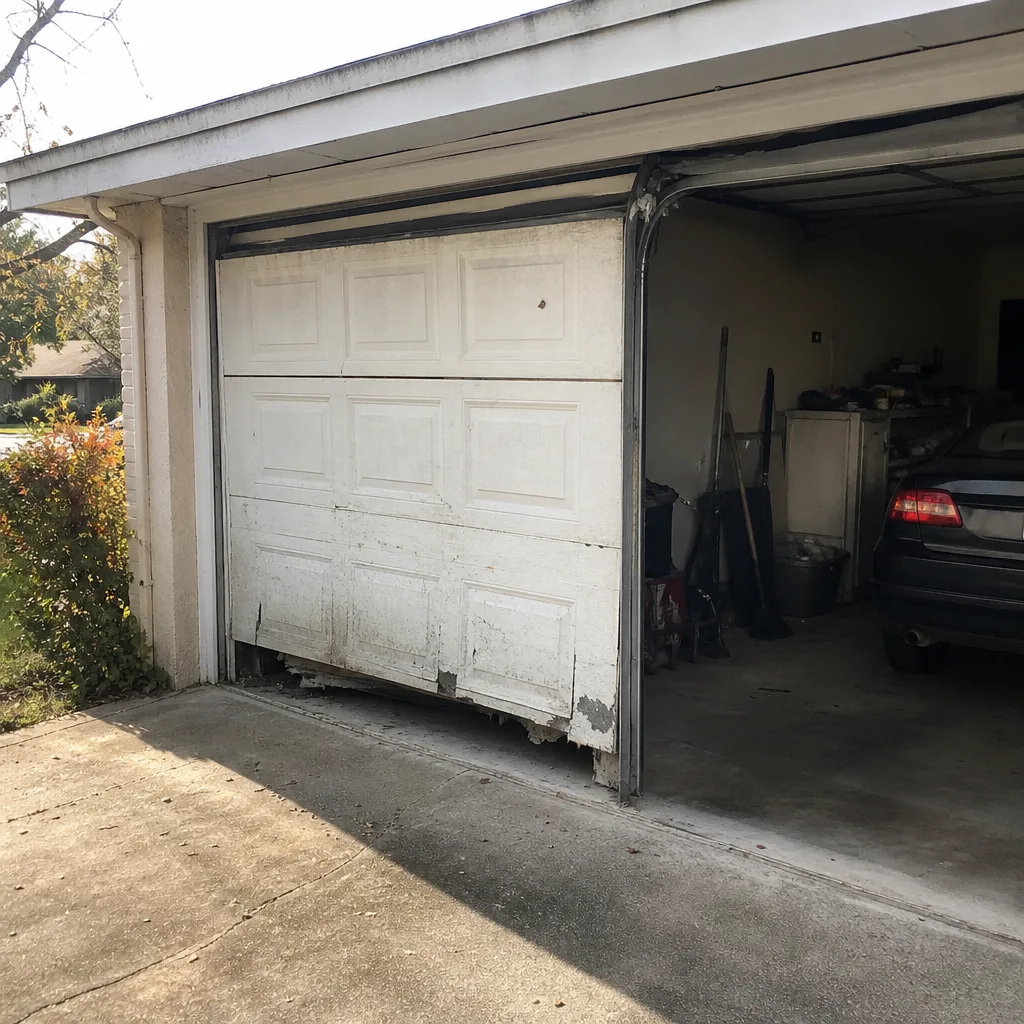 Before
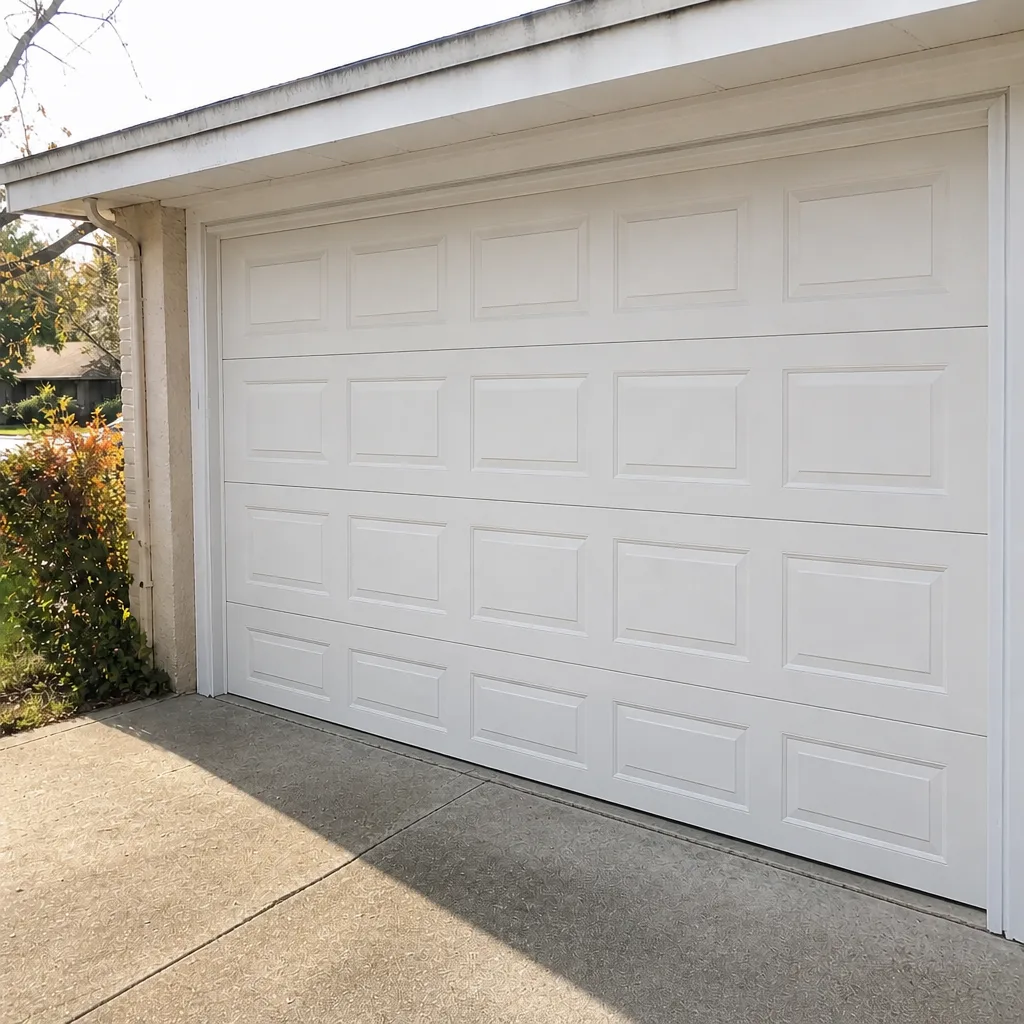 After
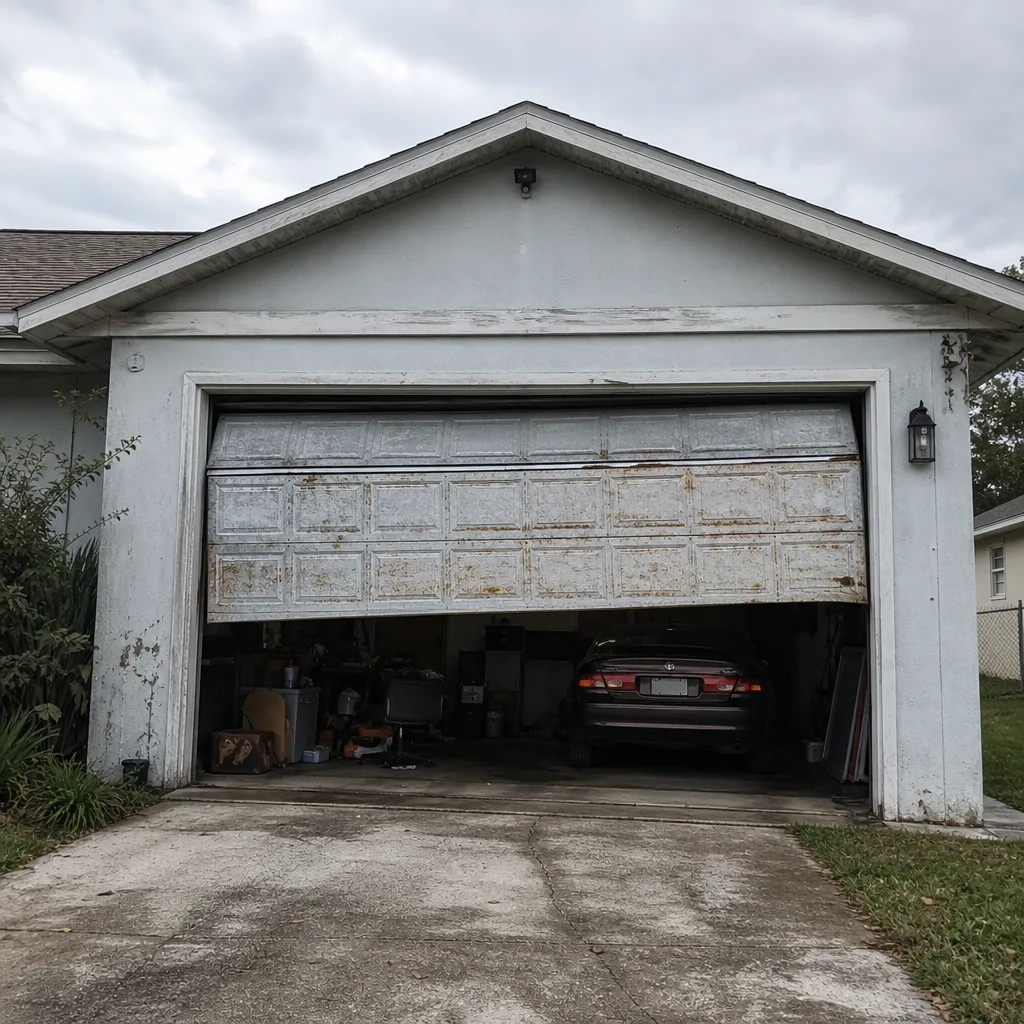 Before
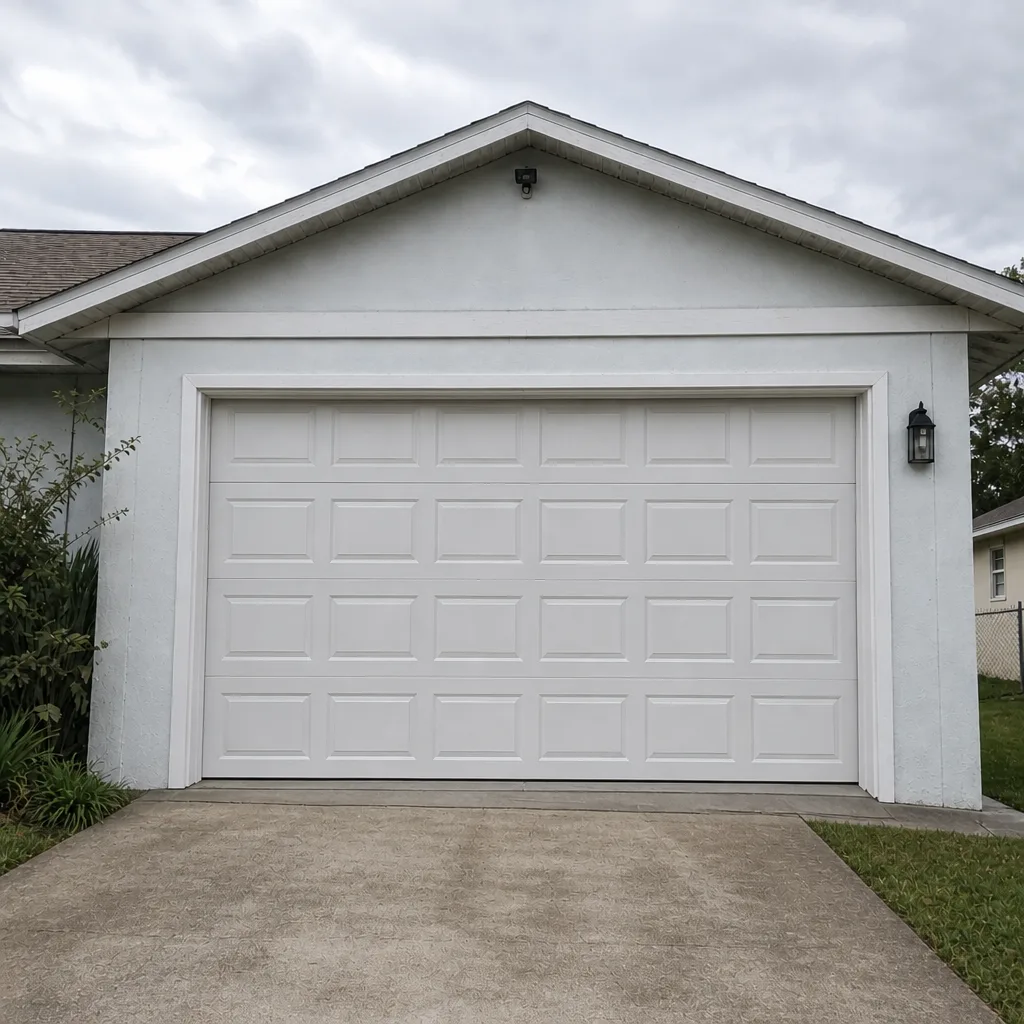 After
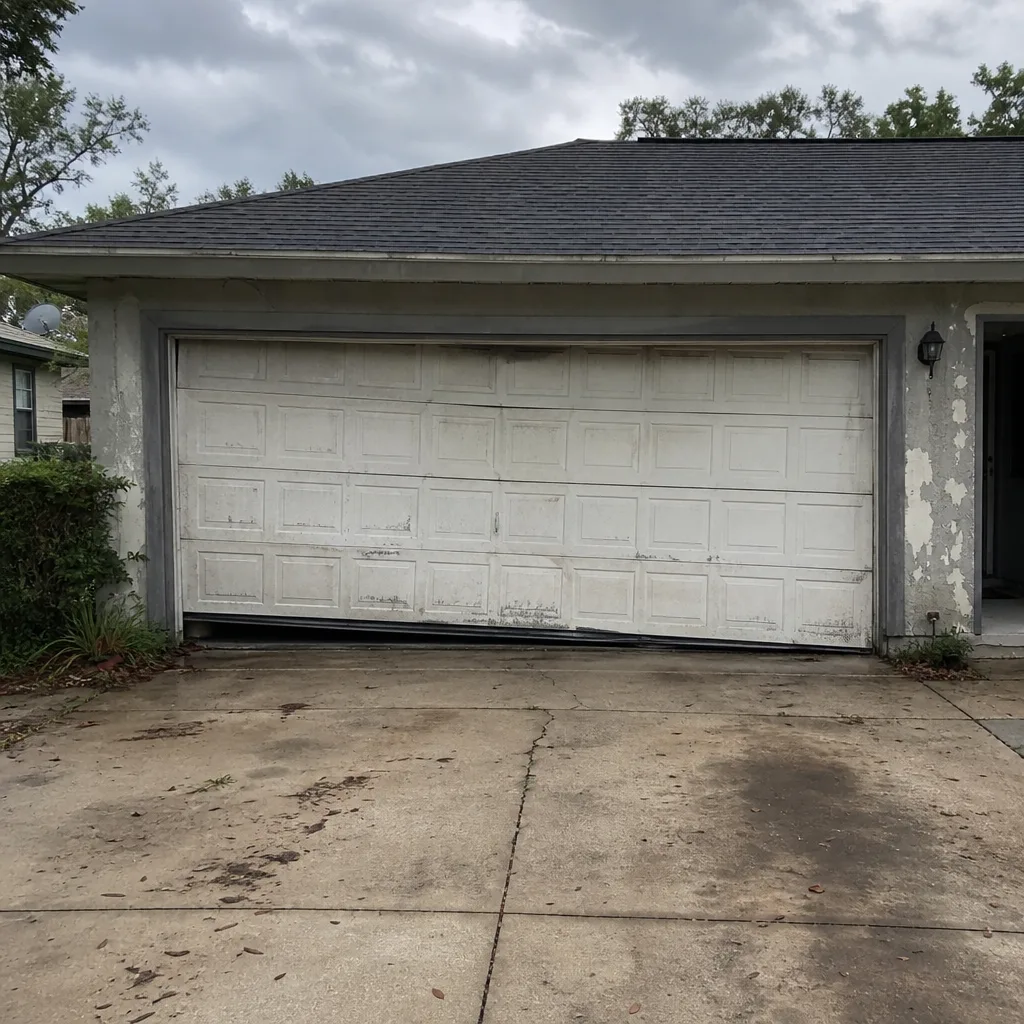 Before
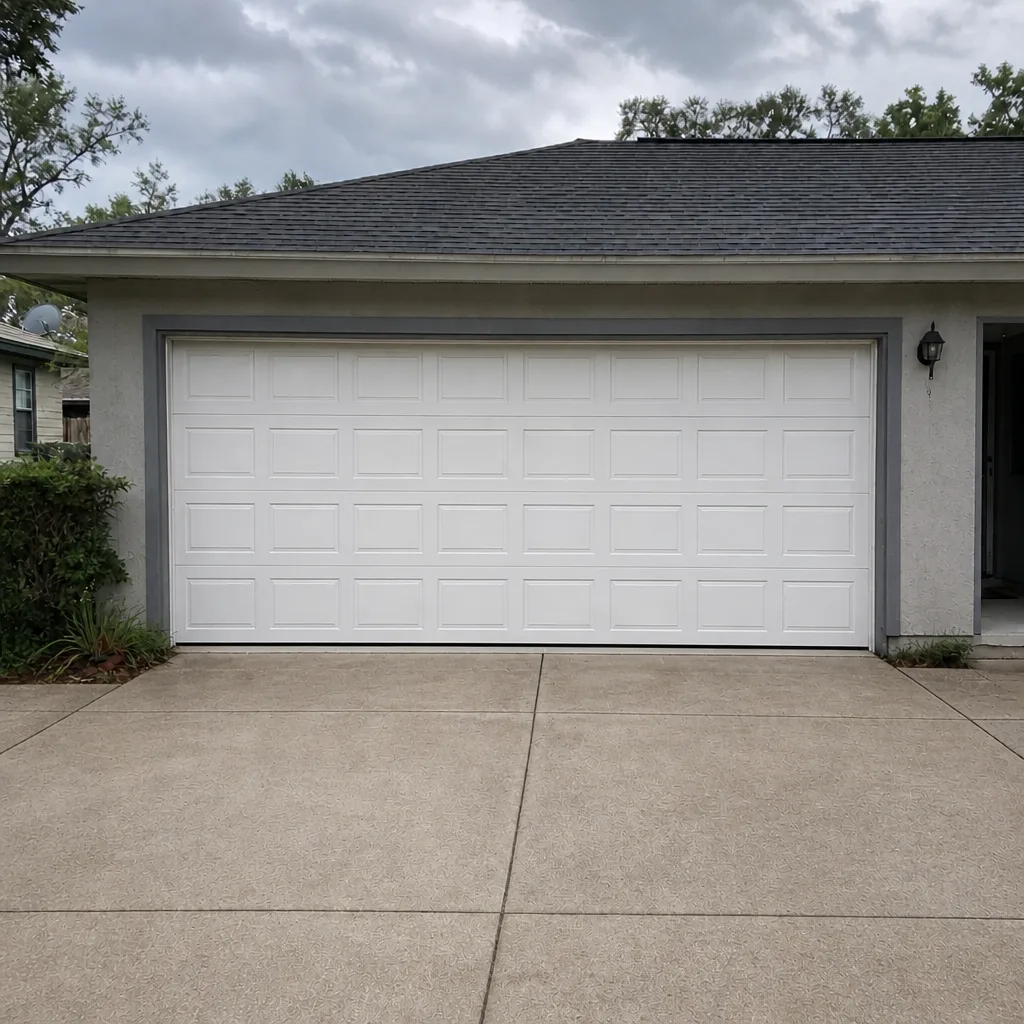 After
When to Call a Professional
Call a professional before touching the door if a spring is visibly broken or the door is stuck halfway and won’t respond to the opener. Spring and cable work involves stored tension that causes serious injury when released wrong, and no video prepares you for the actual force. Call if the door is off its track, if a panel is bent and the door binds when you operate it, if the opener runs but the door doesn’t move, or if you’re planning a full replacement and need a proper measure and written price. Call if the door is having any safety issue that could fall or crush. Also call if you’re about to sign a contract and want a second opinion on the estimate; that’s a free conversation and often saves real money. Plant City Garage Door Repair Pros offers free estimates in Plant City. Call (866) 329-6292. We answer 24/7, with fast dispatch from 7am to 7pm, Sunday through Friday. Emergency service is available when the door can’t wait, and we’ll give you a written price before we start.
Frequently Asked Questions
Garage door spring repair in Plant City is priced per job by the written estimate, not as a flat rate. The spring itself, the type (torsion or extension), and whether you’re replacing a single spring or a matched pair all shape the total. That’s why the estimate is the number that matters, and it’s free. Call (866) 329-6292 for an exact quote and we’ll walk you through what your door needs.
A handyman may legally take on some garage door work, but the scope of what they can safely and properly handle is narrower than a specialist’s. Diagnosis, spring and cable work, and brand-specific opener repairs all benefit from a dedicated specialist. Many handymen decline spring work because of the injury risk, which tells you something. When the door is under tension or the cause isn’t obvious, call a garage door specialist.
Use the Florida DBPR license lookup by entering the contractor’s license number or business name, and confirm the status is active and the license type matches the scope of your job. This takes about two minutes. Ask for the number before the visit rather than after, since a contractor unwilling to share it upfront has told you what you need to know. If anything doesn’t match, keep looking.
It shouldn’t if the estimate was written after a proper inspection. A written estimate should reflect what the door actually needs, and that price is the one you pay when the work begins. Any contractor who “discovers” extra costs mid-job without discussing them first isn’t following a process you want. Ask for the price in writing before work begins, and hold that line.
You should expect both a parts warranty and a labor warranty, each with a specific period spelled out in writing. Labor-only coverage is a red flag because it doesn’t protect you from the most common failure: a part that fails early. Ask for the warranty in writing before the job starts, and read the parts section carefully. If the contractor can’t produce a written warranty, that’s your answer.
The local pro we connect you with is licensed and insured as their state requires, and you can confirm the license yourself using the Florida DBPR lookup. That’s the point of the two-minute check: you don’t have to take anyone’s word for it. If your specialist works under a license category that doesn’t match your job, ask why before work begins. For a free estimate in Plant City, call (866) 329-6292. We answer 24/7, with fast dispatch from 7am to 7pm, Sunday through Friday.
The Bottom Line
Hiring a garage door contractor in Plant City comes down to three decisions: verify the license before anyone arrives, hire a specialist rather than a generalist, and get the estimate and warranty in writing before work begins. The lowest bid often saves less than it costs because the savings come from a missing warranty or a part that gets skipped. The biggest single advantage of hiring a specialist is knowledge, and the fastest way to test that knowledge is to ask which spring type your door has and how they size a replacement. If the answer comes easily, you’ve found a contractor worth booking. If not, keep calling. Our Plant City Garage Door Repair Pros page has the overview of what we handle, and we’re glad to walk through your options with a free estimate. Call (866) 329-6292. We answer 24/7, with fast dispatch from 7am to 7pm, Sunday through Friday.
Written by the team at Plant City Garage Door Repair Pros.