
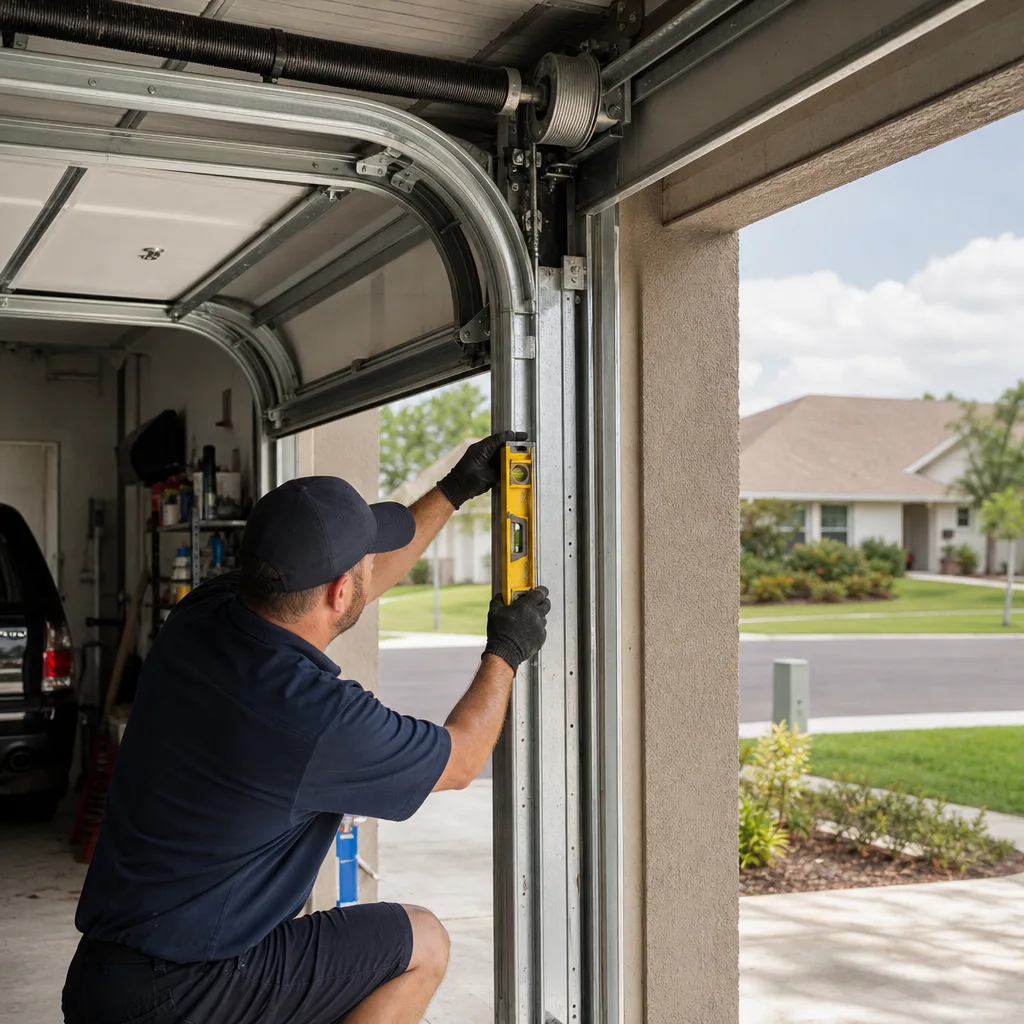
Last updated November 22, 2026
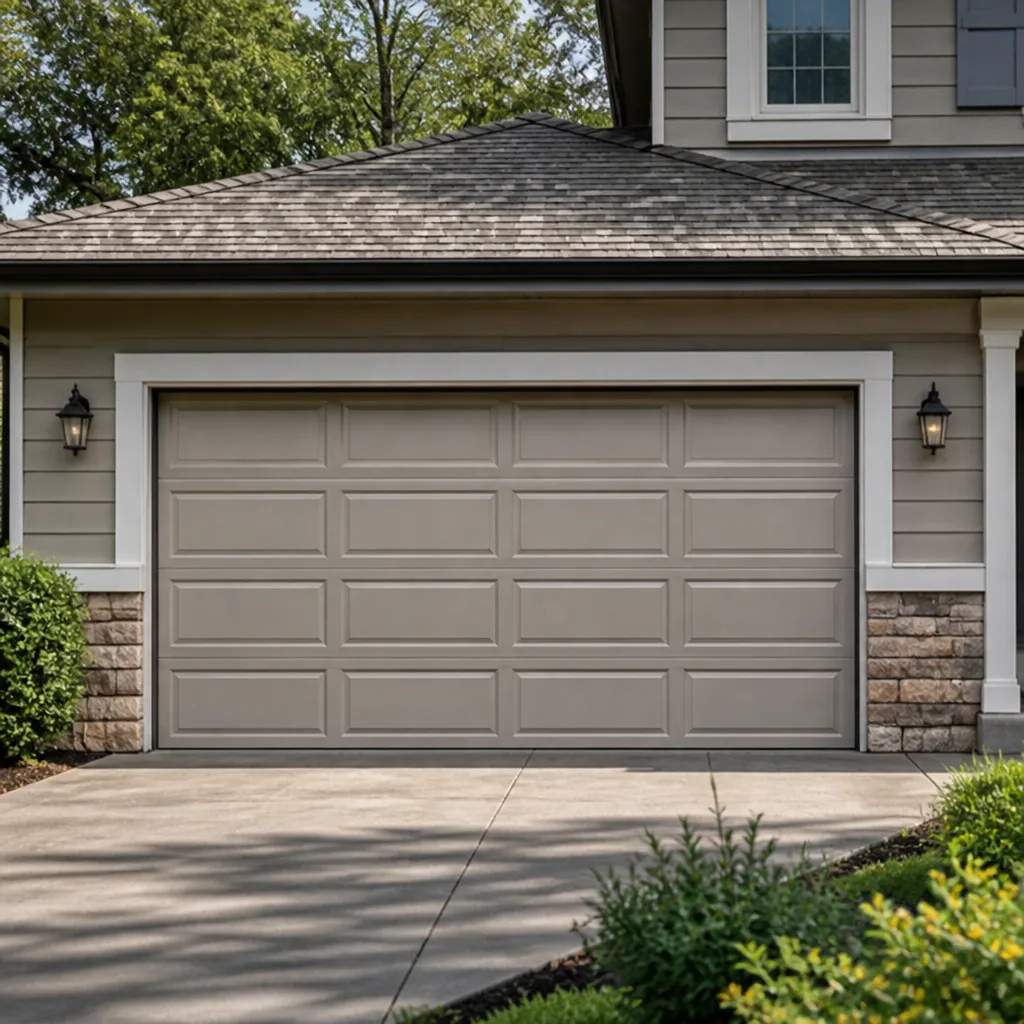 Raised-panel steel
 Carriage house
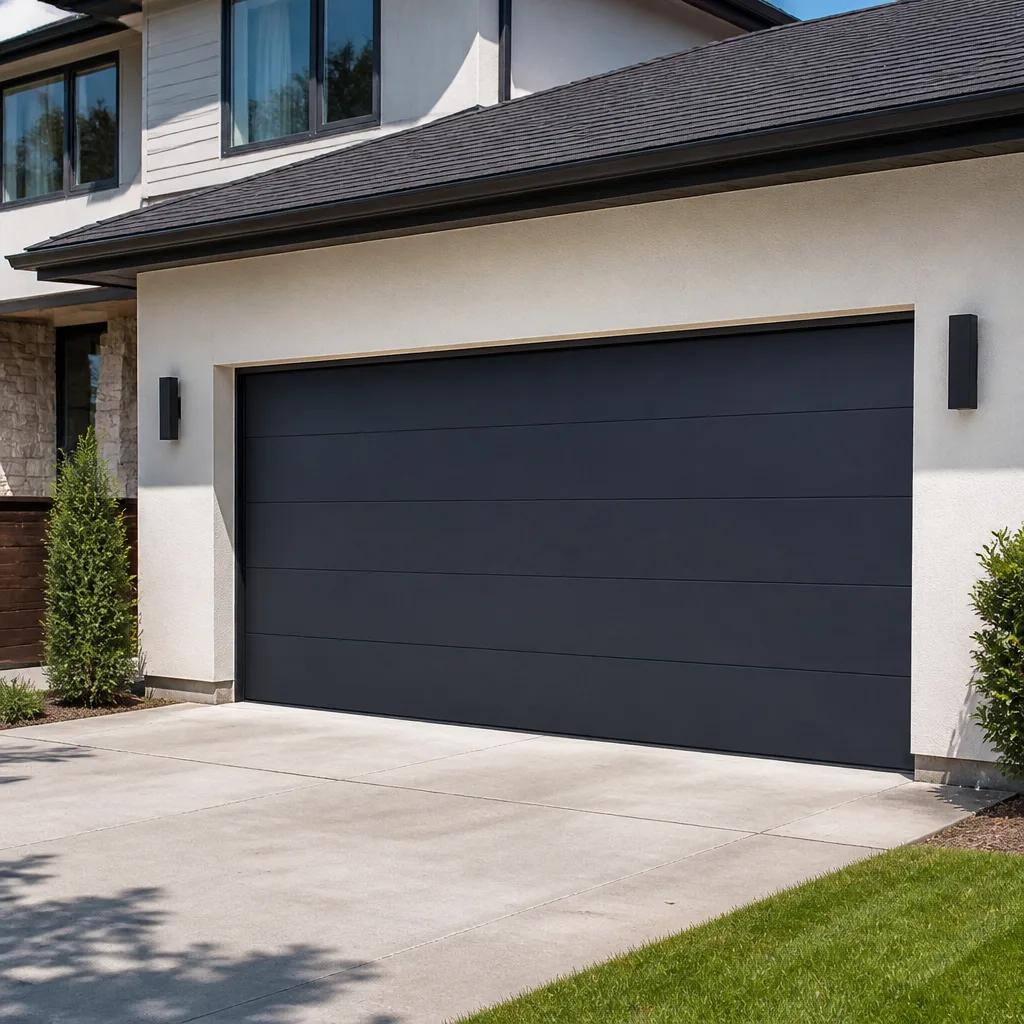 Modern flush
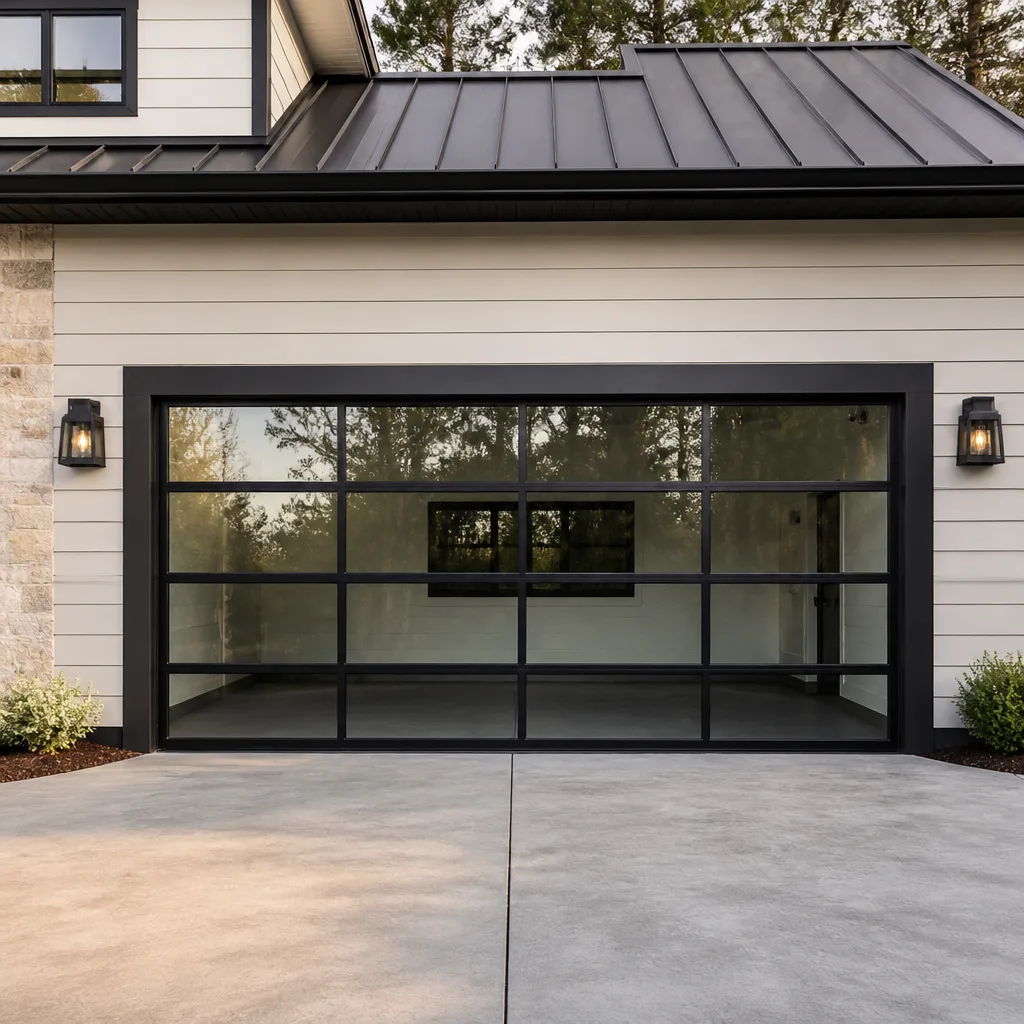 Full-view glass
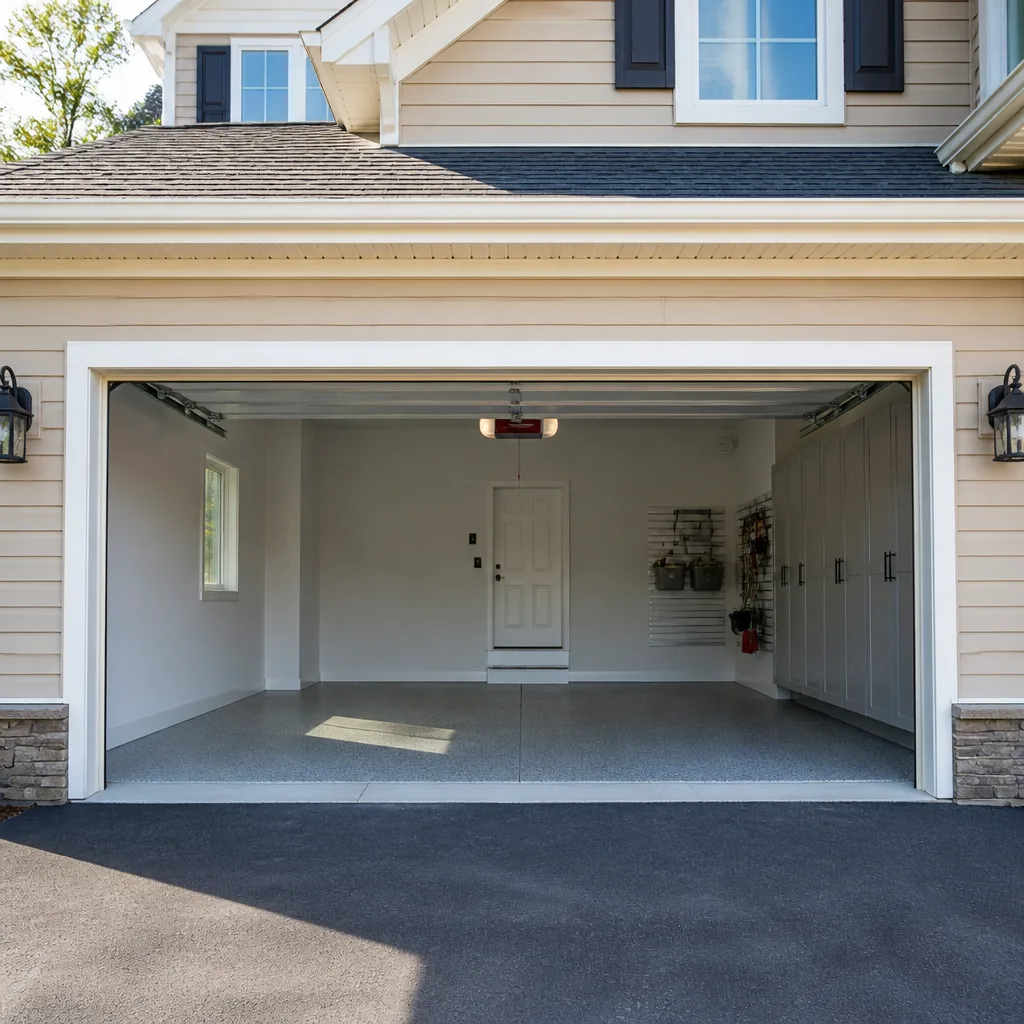 LiftMaster openers
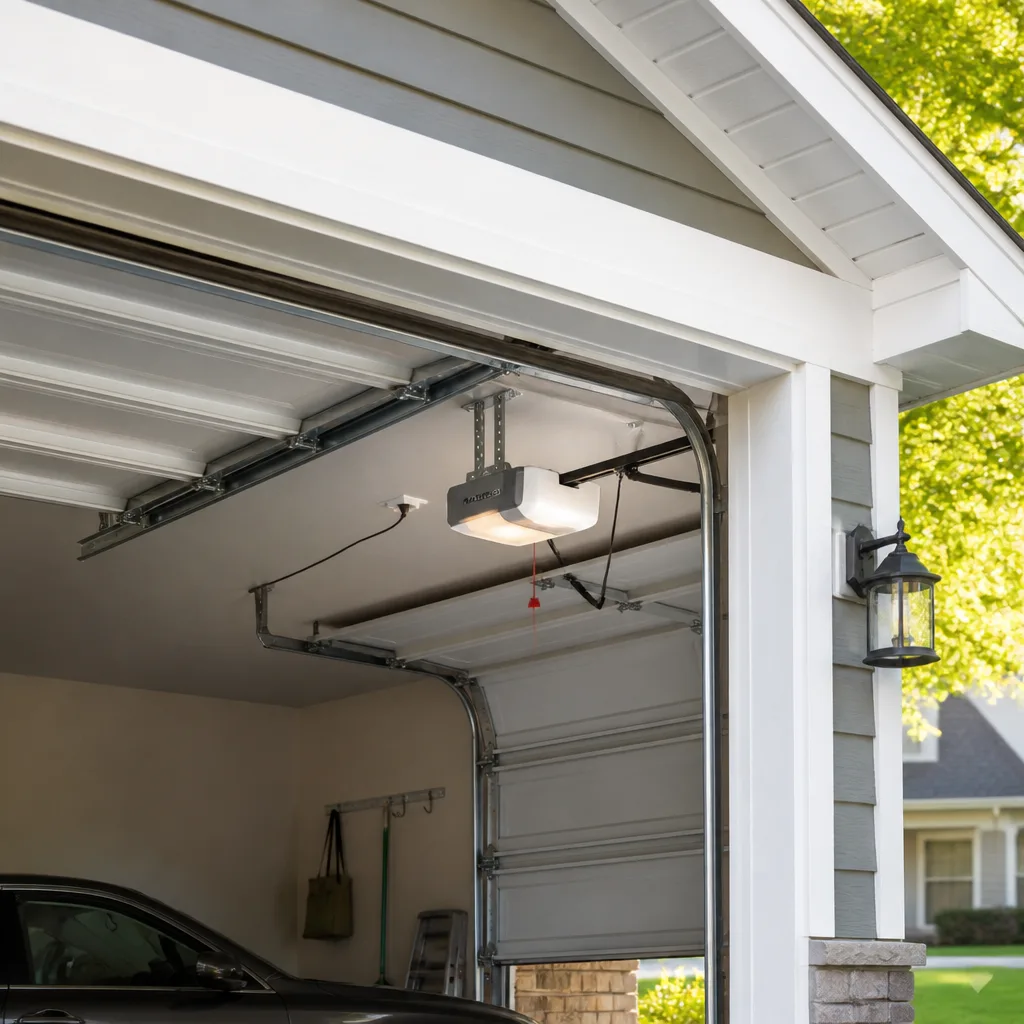 Chamberlain openers
Full 25-point door and opener safety check with every visit - springs, cables, rollers, tracks, and your LiftMaster or Chamberlain opener included
You get a price before we start. It does not change when the pro arrives.
Get your free estimateGarage Door Repair Maintenance Checklist for Plant City Homeowners
You’ve probably read the same advice a dozen times: lubricate the hinges every six months, check the rollers, call it a year. That schedule was written somewhere with four real seasons. Plant City runs on a different clock. Our humidity is working on your springs and cables long after the six-month mark you wrote on the calendar, and the rain that settles in from June through September finds every worn seal before you do. The order of the tasks below is not the standard order. It’s sorted by what actually fails here first. We’ll walk through a checklist tuned to this climate, with specific numbers, a ranked corrosion list, and a clear line between what you can safely handle and what you should never touch.
Quick Answer
A practical garage door maintenance checklist for Plant City should prioritize lubrication every three to four months (not twice a year), corrosion inspection on torsion springs and bottom brackets, weather seal checks before the June – September rainy season, and a monthly balance test. Spring adjustment and cable tensioning are specialist-only tasks in every case. Everything else on the list is homeowner-safe.
Styles & brands we work with
- Raised-panel steel
- Carriage house
- Modern flush
- Full-view glass
- LiftMaster openers
- Chamberlain openers
Table of Contents
- The Plant City Maintenance Schedule (Adjusted for Humidity)
- Lubrication: Why Silicone Beats White Lithium Here
- Corrosion Inspection Points, Ranked by Failure Frequency
- Weather Seals and the June – September Rainy Season
- Testing Door Balance in Summer Heat
- The Safety Reverse Test You Should Run Monthly
- What Homeowners Can Do vs. What Requires a Specialist
- Brand-Specific Checks for Common Openers and Doors
The Plant City Maintenance Schedule (Adjusted for Humidity)
The standard recommendation of lubricating twice a year assumes moderate humidity and mild temperature swings. Plant City averages warm, humid conditions for most of the year, and that changes the math. Lubricant doesn’t stay put as long here. It gets thinned, washes off worn contact points, and leaves dry metal exposed by the time the schedule says you’re due for the next coat. We’ve watched a torsion spring that was fine in March start crying for help by August because nobody looked at it between coats.
Here’s the schedule we suggest for a Plant City garage. It’s more frequent than the generic advice, but each task is quick and cheap compared to a repair.
- Monthly: Visual sweep of hinges, rollers, tracks. Run the safety reverse test (see below). Open and close once and listen.
- Every three to four months: Reapply silicone lubricant to hinges, rollers, and the torsion spring coils. This is the single most important item on the list in this climate.
- Twice a year (before June, before November): Full corrosion inspection on the ranked points below. Check weather seals end to end.
- Annually: Balance test in both directions, closer look at cables and drum set screws, and a walk-around of the door panels.
If your door sits on the west side of the house and catches afternoon sun, treat the lubricant interval as every three months rather than four. Metal that runs hotter expands and contracts more through the day, which works lubricant off the contact points faster. The difference between a well-lubricated spring and a dry one is not cosmetic; a dry spring in August heat is a snapped spring by October.
Lubrication: Why Silicone Beats White Lithium Here
White lithium grease is fine in dry climates. In Plant City, it has a problem: it stays tacky. Dust, pollen, and fine grit settle into it, and the grease turns into an abrasive paste. On hinge pivots and roller stems, that paste accelerates wear instead of preventing it. Silicone spray goes on dry, penetrates into the metal surfaces, and doesn’t hold onto grit the same way. That’s why we recommend it for every lubricated point on the door in this climate.
Where to spray, and what to avoid:
- Hinges: A short burst into the pivot points on each hinge. Wipe off excess.
- Roller stems: One small spray per stem; the roller wheel itself doesn’t need it and shouldn’t be greased.
- Torsion spring coils: A light coat along the coil. This is the rust-prevention step and the one most homeowners skip.
- Track: Never lubricate the track. Grease on a track catches dirt and causes the door to drag.
What to avoid: petroleum-based grease, WD-40 as a standalone lubricant (it’s a penetrant, not a long-term lube), and anything applied to the rollers themselves. Reapply the silicone every three to four months in Plant City, and touch up the spring coils in between if you see surface rust starting to bloom back.
Corrosion Inspection Points, Ranked by Failure Frequency
Every garage door in Central Florida will show corrosion somewhere. The question is where it shows first, and that answer is consistent enough to rank. Inspect in this order, because the higher items fail more often and fail worse.
- Torsion spring coils. These see constant tension and constant humidity. Look for orange or brown surface rust between the coils. Surface rust on a spring is a warning sign; deep pitting on a coil means the spring is on borrowed time and should be examined by a specialist.
- Bottom seal brackets. The bottom bracket sits closest to grade, where moisture and splashing from a wet driveway live. Rust here is common and can cause the seal to sag or tear away. Replace brackets at the first sign of deep rust, not surface discoloration.
- Cable drum set screws. These small screws hold the drums to the torsion shaft. Corroded screws can seize and make future adjustments harder, or vibrate loose. Check for rust on the screw heads and confirm the drums are snug.
- Hinge plates and roller stems. Lower hinges corrode faster than upper ones because they carry weight and moisture. Wipe them down, inspect for pitting.
- Track flanges and jamb brackets. The last on the list because they’re thick metal and slower to fail, but still worth a look.
The bottom line: if you inspect only two things, inspect the springs and the bottom brackets. For a full spring inspection or for help replacing a spring that’s past the rust stage, our garage door spring repair service is built around exactly that job.
Weather Seals and the June – September Rainy Season
The rainy season in Plant City runs roughly June through September, and that’s when most seal failures reveal themselves. A worn bottom seal doesn’t announce itself in February; it lets water in during the first heavy afternoon storm and leaves you mopping the garage floor. The window to check before the rains is late May. The window to fix it without a wet garage is right after you check.
Here’s what to inspect:
- Bottom seal: Run your hand along the underside of the door. It should be flexible and uniform. Look for cracking, flattening, or gaps where the door meets the floor. A quick test: close the door over a piece of paper. If you can slide the paper out easily at any point, the seal is compromised there.
- Side and top seals (jamb seals): These keep wind-driven rain from getting past the door edges. Check for tears and gaps against the jamb.
- Threshold: If your garage floor slopes toward the door and water pools at the threshold, a threshold seal is worth considering. Ask the technician to look at it during a routine visit.
During the rainy season itself, pay attention. If you see water on the garage floor after a heavy storm or dark staining along the bottom corners, the seal is telling you something. Note where the water is entering. It saves time when you call for repair. For a door that’s letting rain in or a panel that needs attention, our garage door repair team handles seals and panel work together.
Testing Door Balance in Summer Heat
A balance test tells you whether the torsion spring is still lifting the door correctly. It takes about a minute, and in the summer heat in Plant City it deserves a bit more attention than it gets elsewhere.
Here’s the test:
- Close the door and disconnect the opener by pulling the red release handle (or using the manual release on your model).
- Lift the door by hand to about waist height and stop.
- Let go. A balanced door holds its position. A door that drifts down on its own means the spring has lost tension. A door that rises on its own means the spring is over-tensioned.
Why summer matters: heat makes metal expand and lubricants thin. A door that was perfectly balanced in January can show drift in July simply because the spring has lost a little tension and friction has changed. That’s why a small balance failure in summer is treated as urgent. Left until fall, the spring will keep easing and the door will work harder, which wears the opener motor.
Do not attempt to adjust the spring yourself. The balance test tells you whether the door is right; it does not give you permission to fix it.
The Safety Reverse Test You Should Run Monthly
The safety reverse is the mechanism that makes the door stop and go back up if it meets something. It is the single most important check on any garage door, and it should be run once a month, ideally in the same sitting as your visual sweep.
Two tests together, both quick:
- Photo-eye test: With the door open, wave an object through the beam near the floor. The door should not close. If it closes, the sensors are misaligned or blocked. Wipe the sensor lenses and check both sides before calling.
- Contact reverse test: Place a roll of paper towels flat on the floor in the door’s path. Close the door. It should reverse on contact with the roll. If it presses down instead of reversing, the force adjustment on the opener needs attention.
These tests belong on this checklist because a failed safety reverse is a genuine hazard, especially in a home with kids or pets. If a safety test fails and a simple lens wipe doesn’t fix it, that’s a call-in item. Our garage door opener repair service handles sensor and force-adjustment problems on all the common opener brands, including LiftMaster, Chamberlain, and Genie.
What Homeowners Can Do vs. What Requires a Specialist
Most of this checklist is safe for a homeowner. A small group of tasks is not, and the line between them is bright.
Safe for homeowners:
- Lubricating hinges, roller stems, and spring coils with silicone
- Inspecting for corrosion and noting what you find
- Running the safety reverse and photo-eye tests
- Running the balance test and noting the result
- Cleaning the photo-eye lenses and the tracks
- Checking the weather seals and noting gaps
- Replacing a worn bottom seal (on a door that is fully closed and locked in place, using the manufacturer’s replacement part)
Specialist-only, every time:
- Spring adjustment or replacement. A torsion spring is under high tension. The energy stored in a wound spring is enough to cause severe injury if it releases unexpectedly. Never try to adjust, unwind, or replace one yourself. This is the task we most often see mishandled, and it’s why we list spring repair as an explicit specialty.
- Cable tension or replacement. Cables are the second half of the lifting mechanism and carry the same risk as the spring. Never loosen or tighten a cable without the training and the correct tools.
If you’re unsure, err on the side of calling. The rest of the checklist will keep the door running smoothly in the meantime. For the two specialist items, get them handled early. A trained technician will spot a spring or cable that’s about to fail long before you will.
Brand-Specific Checks for Common Openers and Doors
Most Plant City homes have one of a handful of major brands installed by the builder or by a previous owner. Knowing which one you have helps you check the right things.
- LiftMaster and Chamberlain: These two share a lot of design DNA. Photo-eye sensors are on the floor near the door, with small indicator lights. Check that both sensors show a solid light (not blinking) when the door is in the open position. The safety reverse force setting is adjustable on the back or side of the opener housing.
- Genie: Genie openers often use a screw-drive or belt-drive motor. On screw-drive models, the drive screw needs lubrication per the manufacturer’s guidance (check the manual; it’s not the same silicone routine as the door). Belt-drive Genie units are quieter and generally low-maintenance but need the belt tension checked annually.
- Clopay doors: Clopay is one of the most common door brands in new construction in this area. Check the bottom seal and the hinge wear points; those are the two things that show up first on a Clopay install in this climate.
If your brand isn’t listed above, don’t assume you can’t get service. We work on the brand you already own across the eight most widely installed brands, including Amarr, Wayne Dalton, Craftsman, and Raynor, and our technicians have up to 10 years of experience diagnosing the brand-specific quirks that catch generalists off guard. If you’re ready to put a plan together for the whole door, our Plant City Garage Door Repair Pros main page has an overview of every service we cover.
Common Mistakes to Avoid
- Following the twice-a-year lubrication schedule. It’s the wrong schedule for this climate. By the time six months have passed in Plant City, the silicone has worn off the spring coils and rust has a head start. Reapply every three to four months.
- Using white lithium grease on the hinges. It stays tacky, collects grit, and turns into an abrasive paste. Use silicone spray instead.
- Greasing the tracks. Tracks should be clean and dry. Lubricant on a track catches dirt and causes binding. Wipe the tracks with a dry cloth and leave them alone.
- Waiting until the rainy season starts to check the seals. By the time the first big storm hits, a worn seal has already let water in. Check in late May and fix what you find.
- Ignoring a small balance drift in summer. A door that drifts slowly in July is telling you the spring is losing tension. Left until fall, that drift becomes an opener problem.
- Trying to adjust or replace a spring yourself. This is the mistake with the worst consequences. A torsion spring is under dangerous tension, and a mistake can cause serious injury. Call a specialist.
- Skipping the monthly safety reverse test. A failed safety reverse is a hazard that goes unnoticed until something breaks. It takes two minutes to test.
See the difference
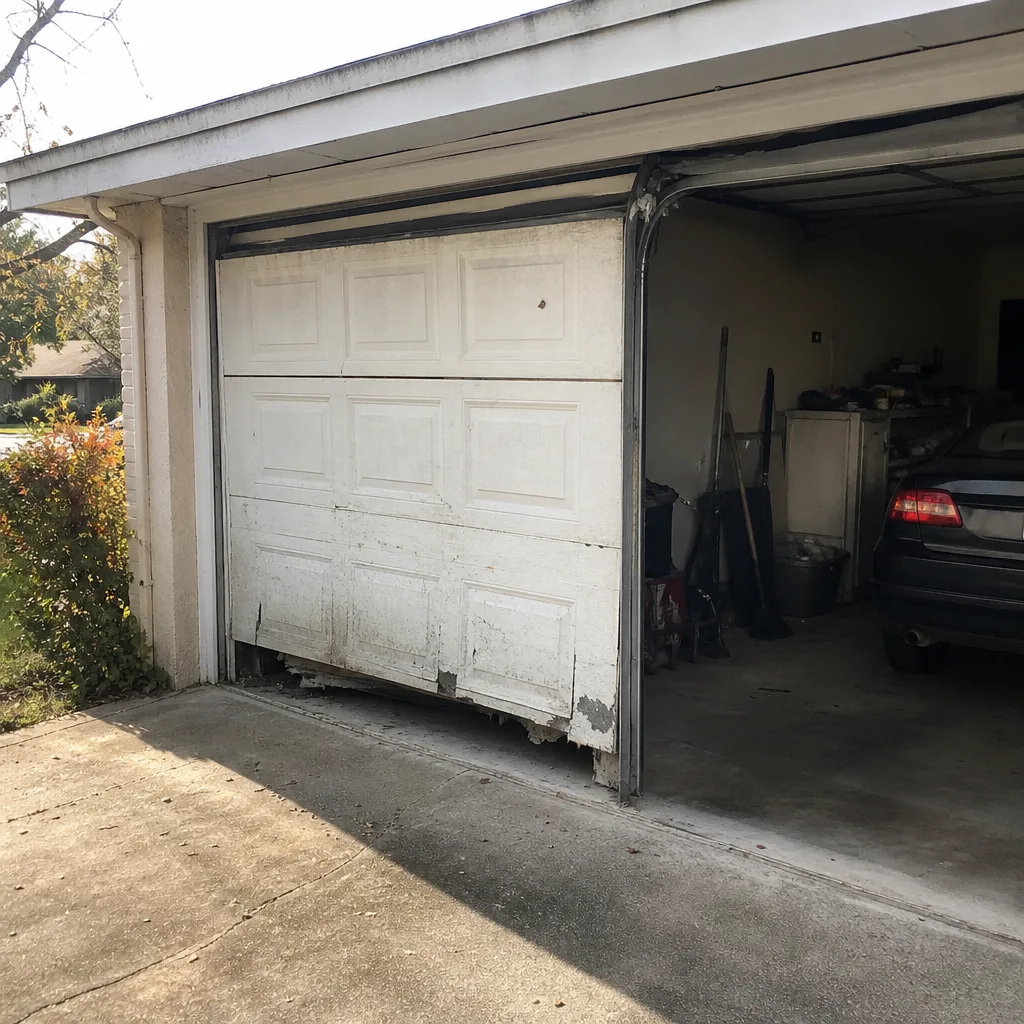 Before
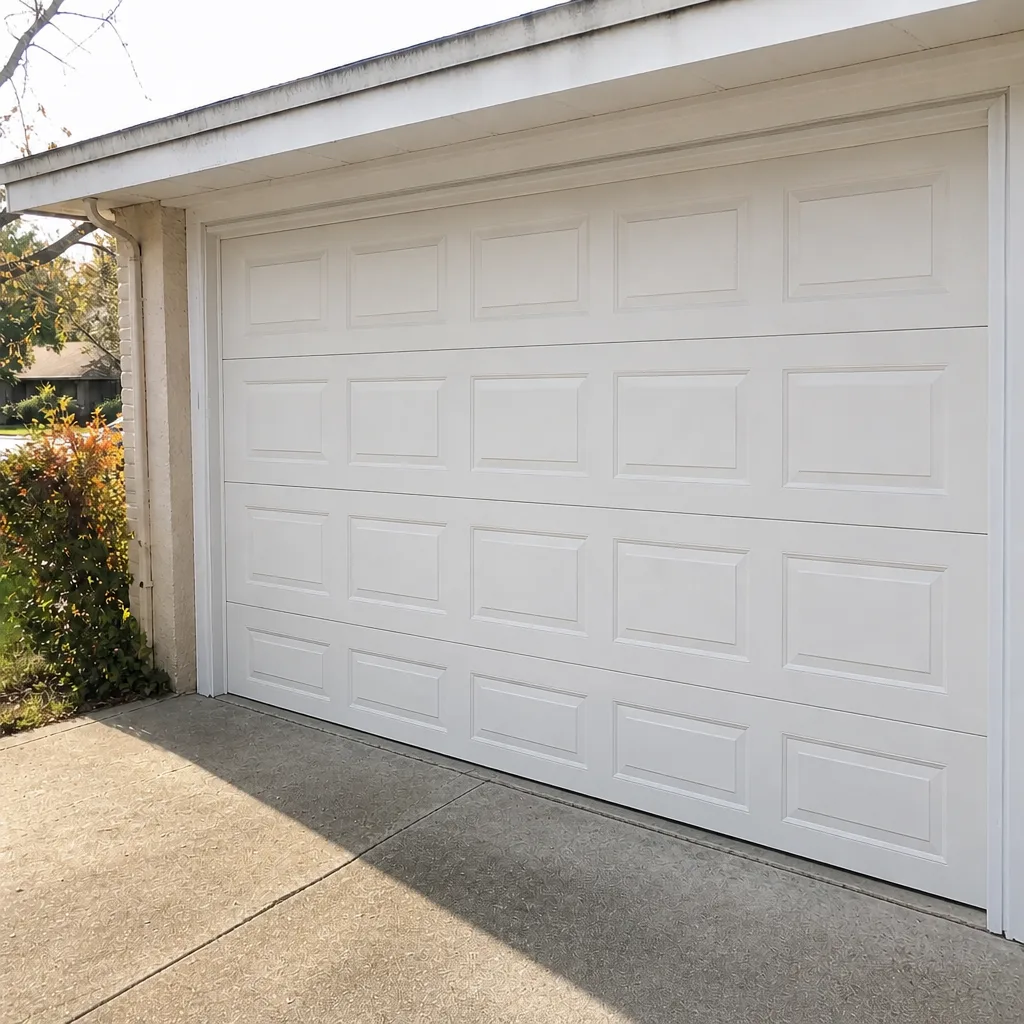 After
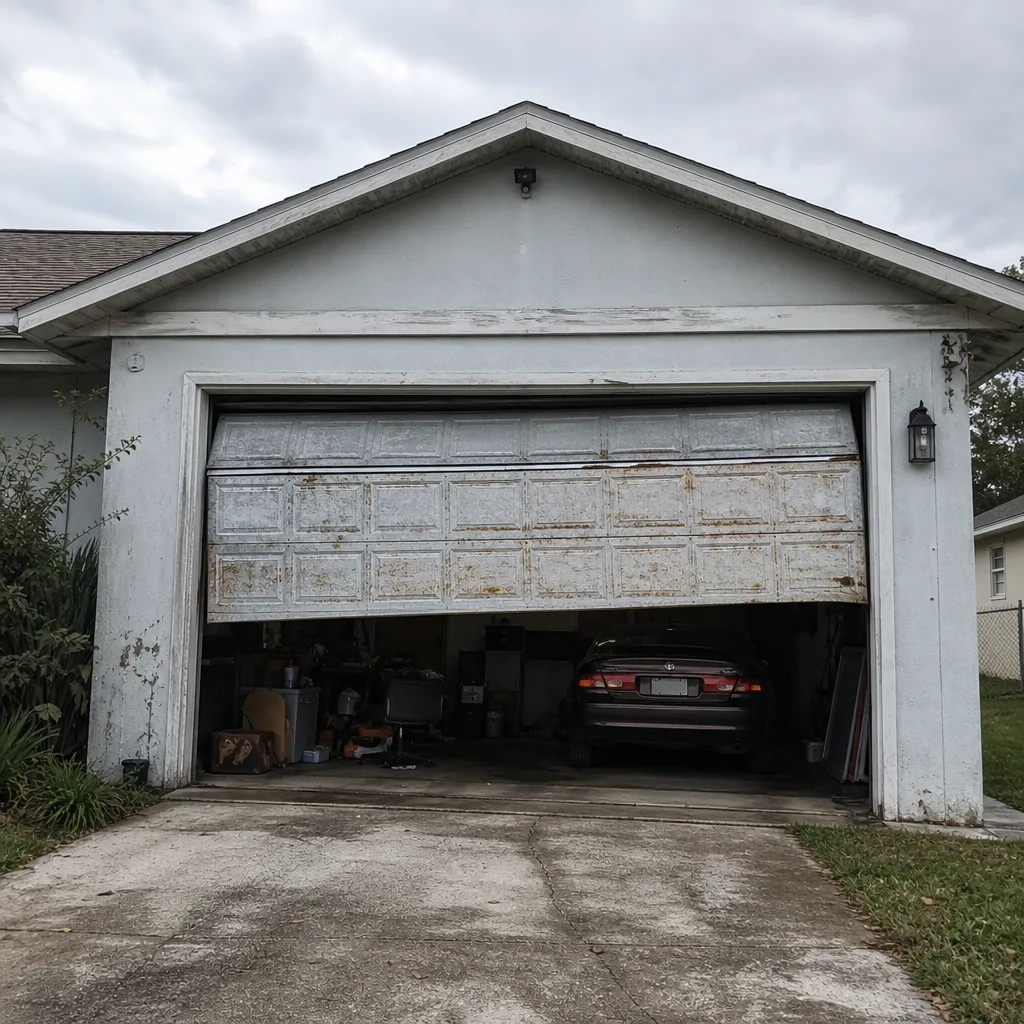 Before
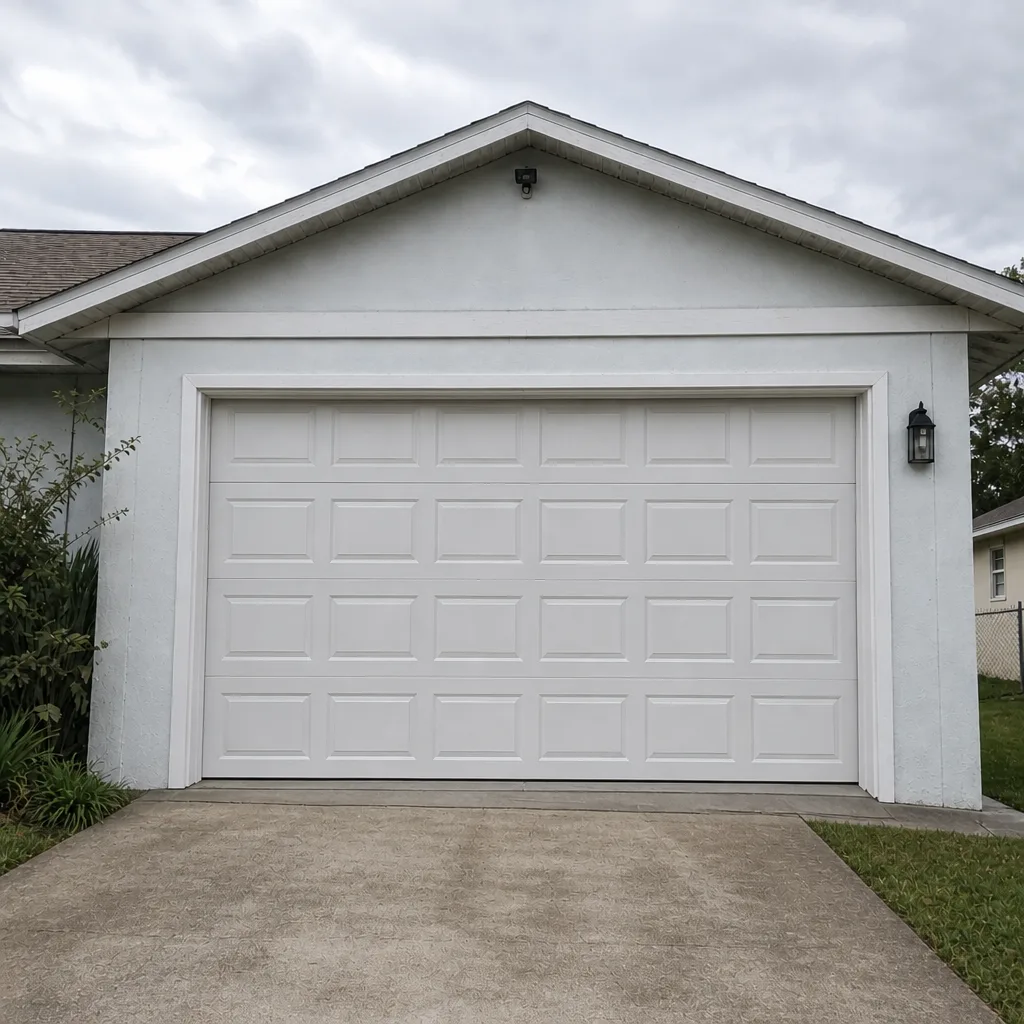 After
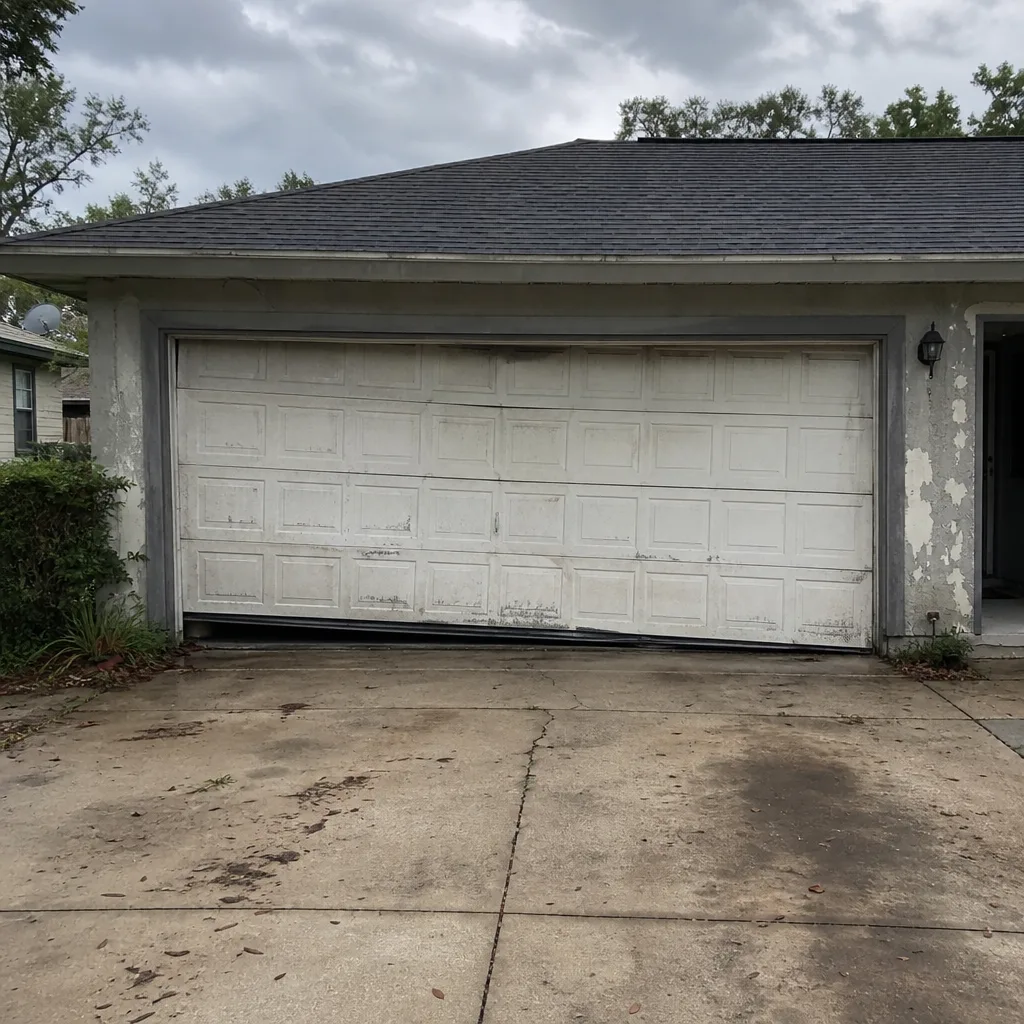 Before
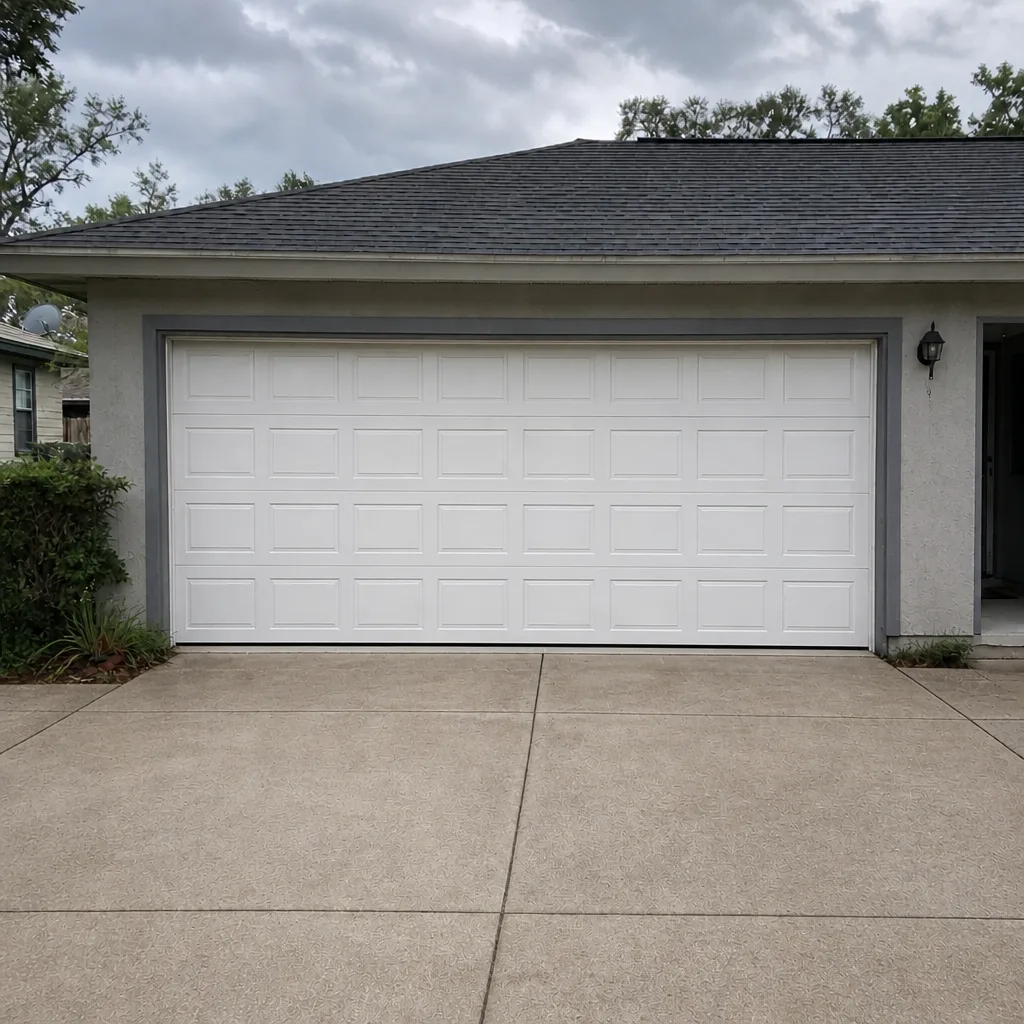 After
When to Call a Professional
Some jobs belong on your calendar. Others belong on our schedule. Call a specialist when a spring is visibly rusted or pitted, when the balance test shows drift, when the door won’t lift or won’t stay up, when a cable is loose or frayed, when the opener runs but the door doesn’t move, or when a safety reverse test fails after a lens wipe. Also call if a panel is damaged, if the door looks uneven in the tracks, or if the noise level suddenly gets worse. We handle all of it, from emergency service to routine repairs, and our technicians are trained on the major brands. Plant City Garage Door Repair Pros offers free estimates in Plant City, so call (866) 329-6292. We answer 24/7. Fast dispatch from 7am to 7pm, Sunday through Friday. The price is quoted and agreed before any work starts, so you know the cost before the first tool comes out.
Frequently Asked Questions
Every three to four months, not twice a year. That’s because the humidity in Plant City works silicone lubricant off the contact points faster than dry-climate schedules assume. If your door faces afternoon sun, lean toward three months. Use silicone spray, not white lithium grease, and focus the application on hinges, roller stems, and torsion spring coils.
No. A torsion spring is stored under dangerous tension, and releasing it the wrong way can cause severe injury. Spring adjustment and replacement should always be done by a trained technician. The same applies to cable tension. The balance test tells you whether the spring needs attention; leave the repair to a specialist. Our garage door spring repair service exists for exactly this reason.
The first places to look are the torsion spring coils, which hold constant tension and catch humidity. Surface rust between the coils is the earliest sign. Next is the bottom seal bracket, closest to grade and splashing. Then the cable drum set screws and the lower hinge plates. If you see deep pitting rather than surface discoloration, call for a professional look.
Disconnect the opener, lift the door to waist height by hand, and let go. If the door holds position, it’s balanced. If it drifts down, the spring has lost tension. If it drifts up, the spring is over-tensioned. In Plant City summer heat, a small drift is worth acting on sooner rather than later, since friction and expansion change with temperature and the drift will only grow.
Yes, for most routine repairs. Same-day service is available for spring, opener, and general door repair problems. Call (866) 329-6292. We answer 24/7. Fast dispatch from 7am to 7pm, Sunday through Friday. A call outside dispatch hours is booked into the next opening, Sunday through Friday, 7am to 7pm. The price is quoted and agreed before any work starts.
Yes. We’re trained and equipped to service products from eight major brands, including LiftMaster, Chamberlain, Genie, Clopay, Amarr, Wayne Dalton, Craftsman, and Raynor. Our technicians have up to 10 years of experience diagnosing brand-specific quirks, so we can usually figure out what’s wrong faster than a generalist. We work on the brand you already own.
The Bottom Line
The standard maintenance schedule doesn’t fit Plant City, and following it here leaves your door exposed. Lubricate every three to four months with silicone. Inspect for corrosion in this order: springs, bottom brackets, drum set screws, hinges. Check the weather seals before the June – September rains and fix what you find. Run the balance test monthly in summer, because heat changes the picture. And draw a hard line at spring adjustment and cable tension, which are specialist-only tasks every time. That’s the checklist tuned to this climate. Everything else you can handle. The two specialist tasks should be on a calendar too; don’t wait for something to break. Call (866) 329-6292 to schedule a free estimate. We answer 24/7. Fast dispatch from 7am to 7pm, Sunday through Friday. One call covers it, whether it’s routine inspection or a repair you need done today.
Written by the team at Plant City Garage Door Repair Pros.