
Last updated November 22, 2026
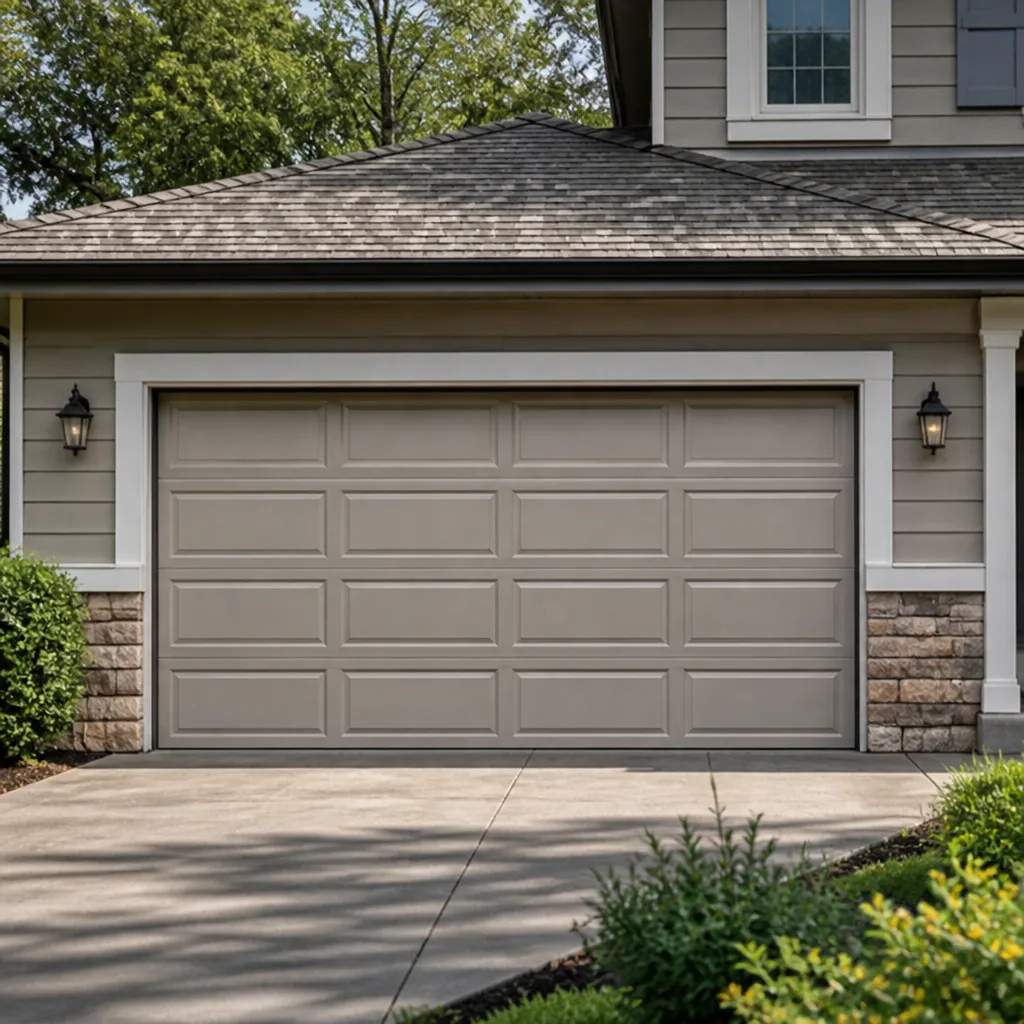 Raised-panel steel
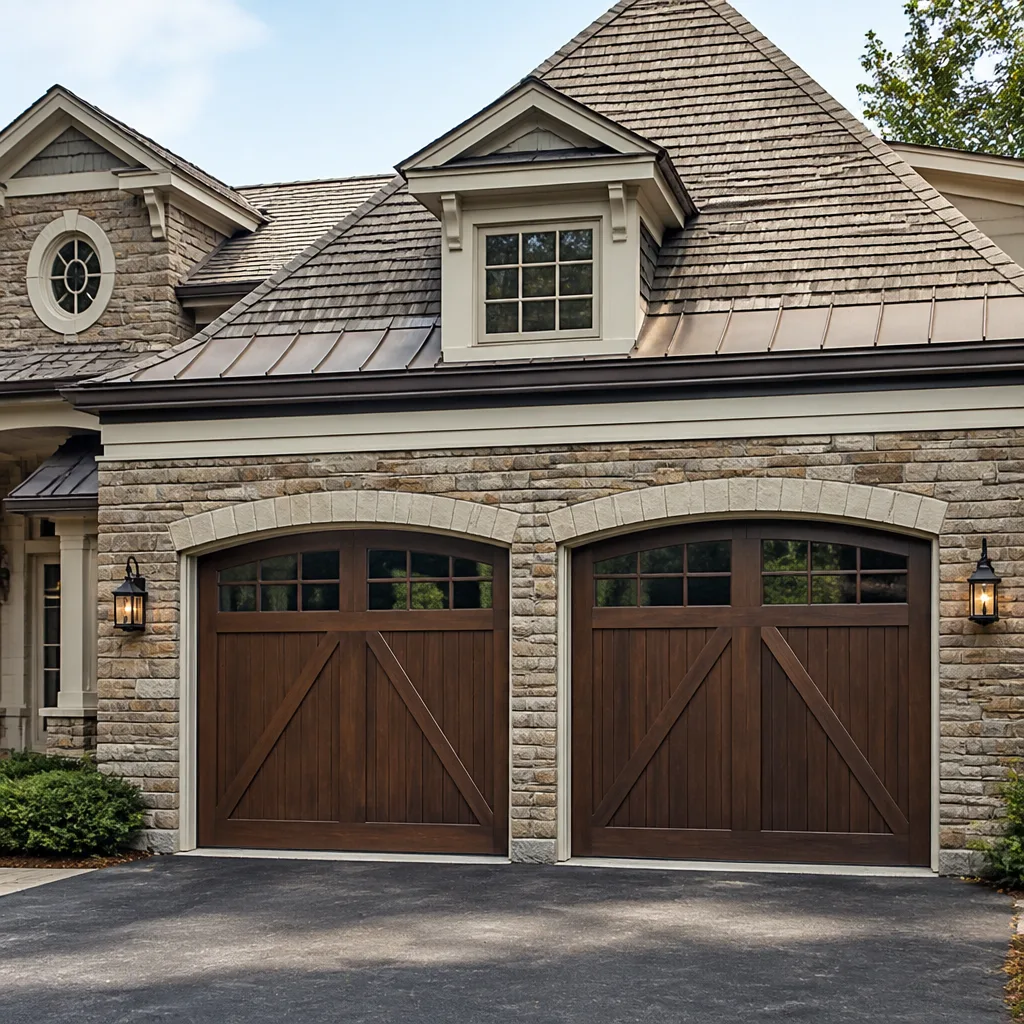 Carriage house
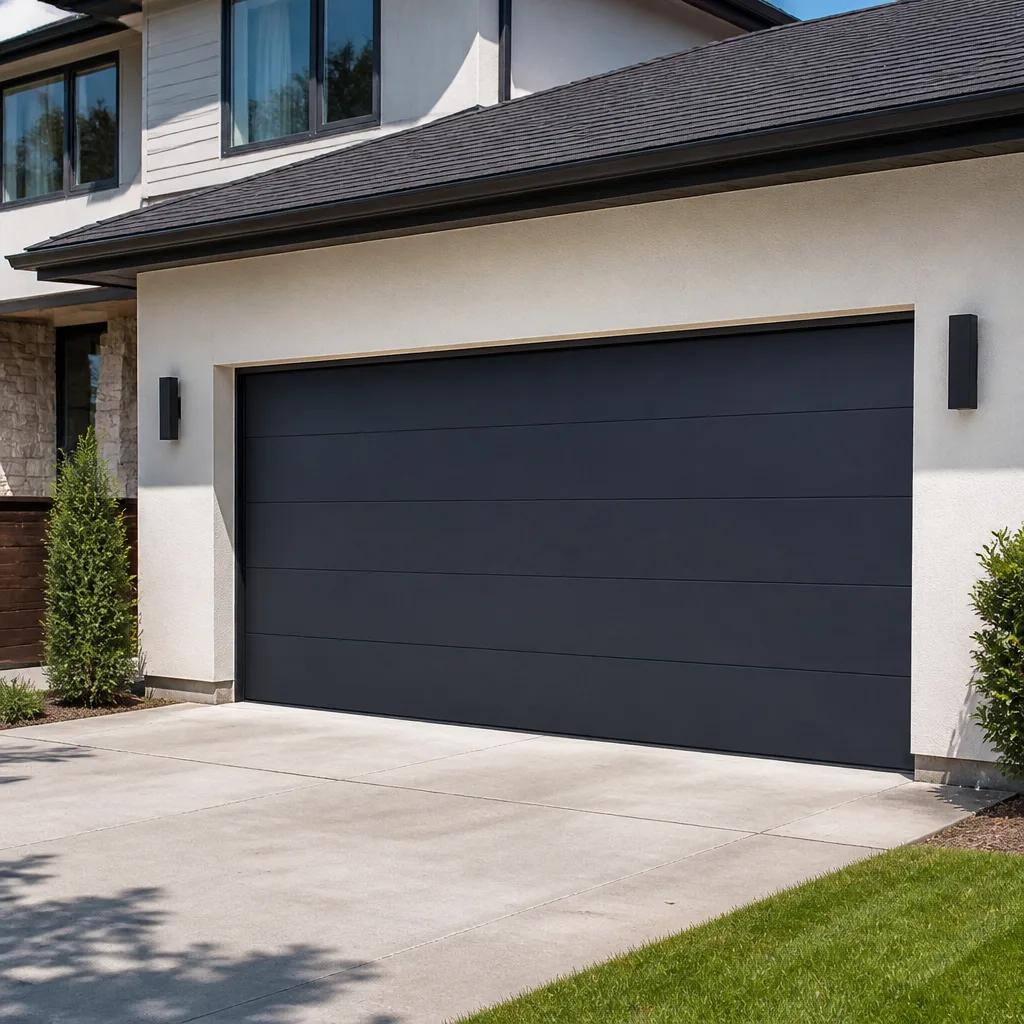 Modern flush
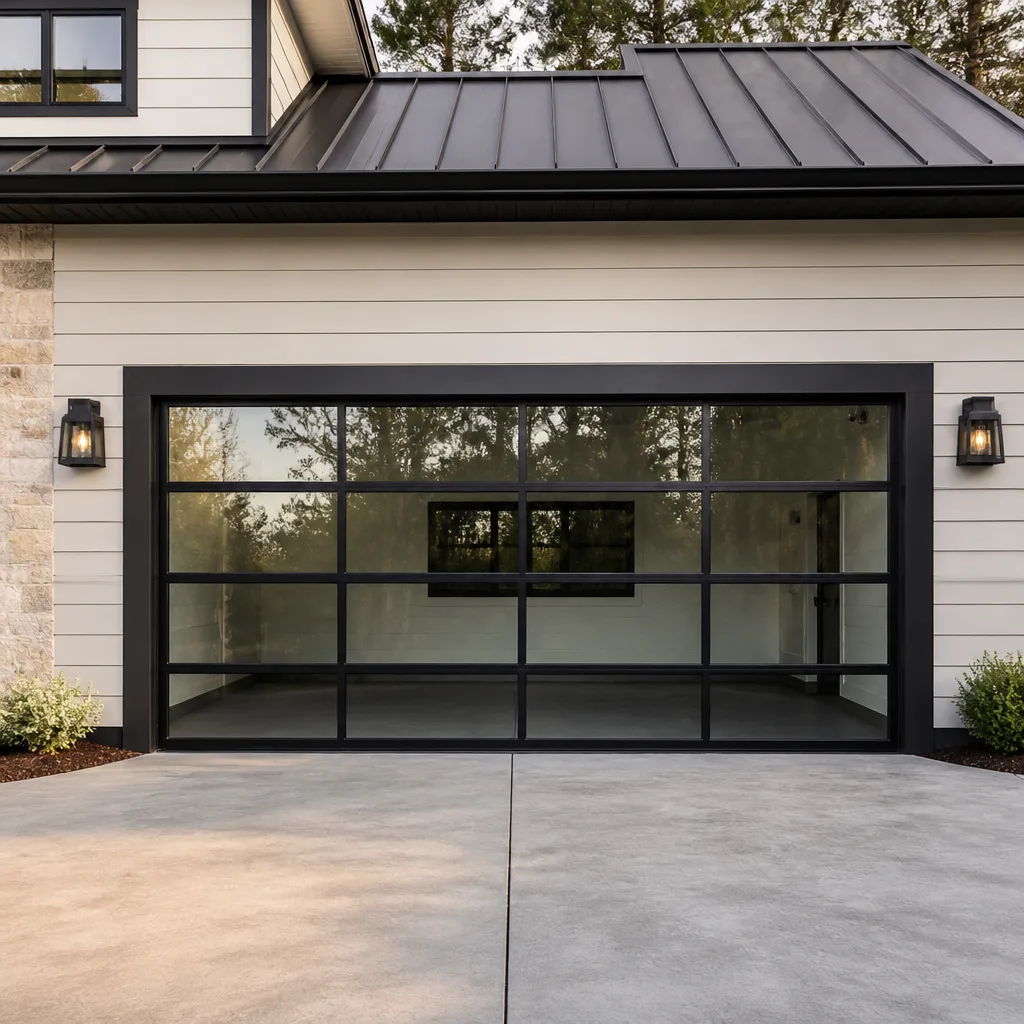 Full-view glass
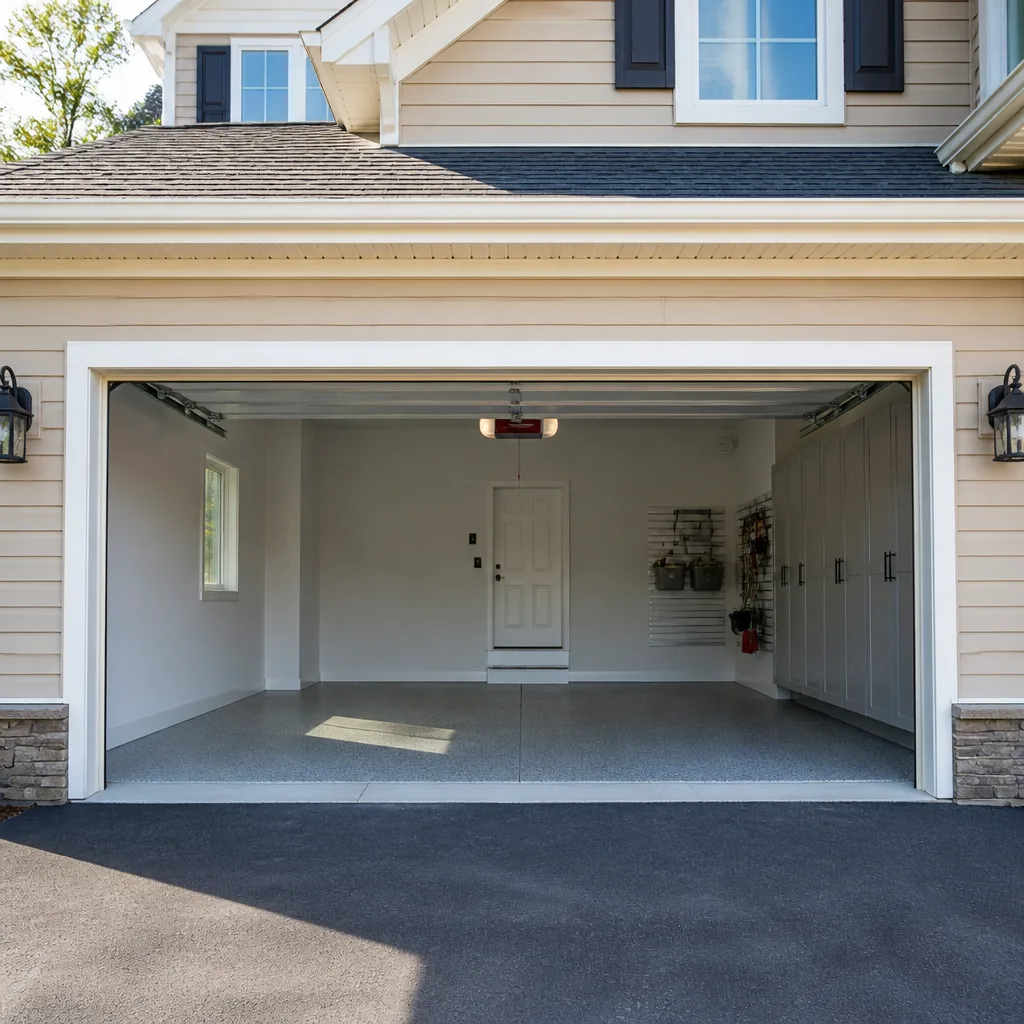 LiftMaster openers
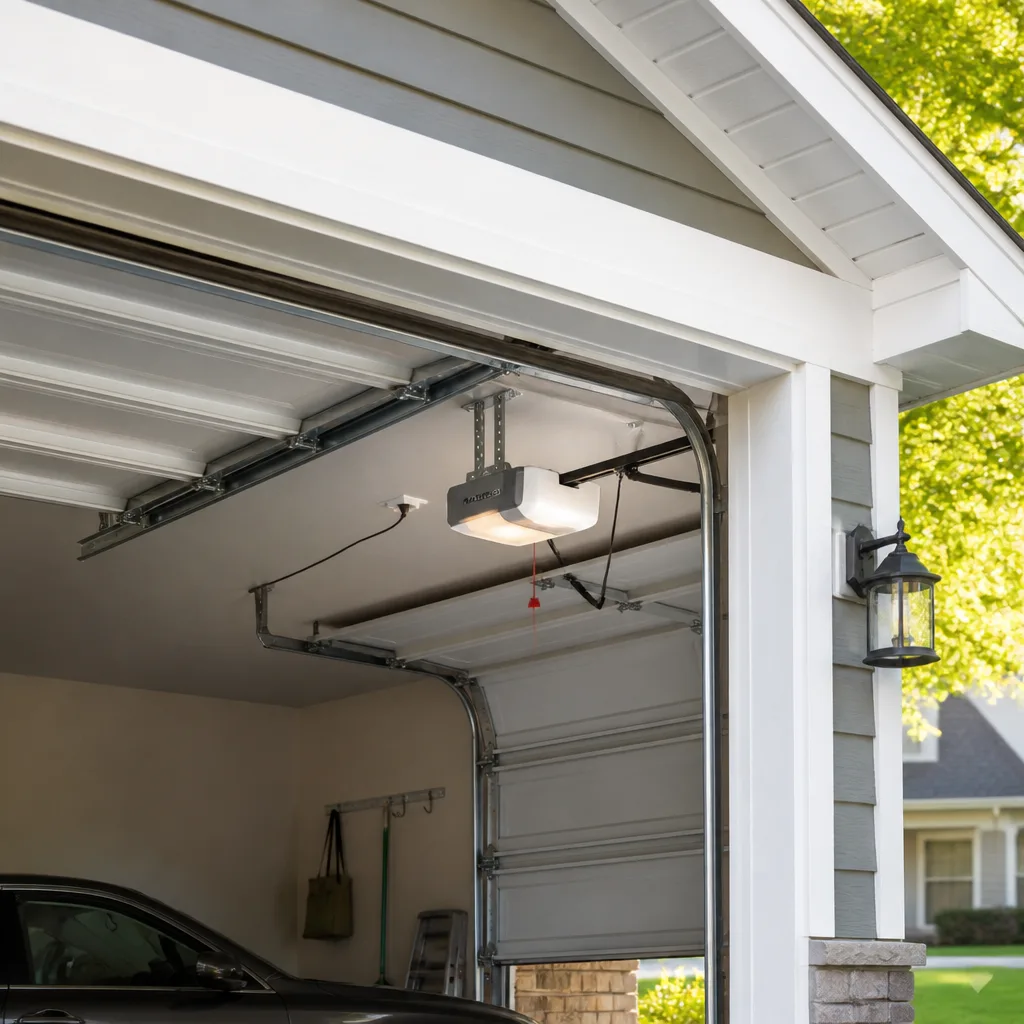 Chamberlain openers
Full 25-point door and opener safety check with every visit - springs, cables, rollers, tracks, and your LiftMaster or Chamberlain opener included
You get a price before we start. It does not change when the pro arrives.
Get your free estimateGarage Door Emergency Preparedness Guide for Plant City Homes
The manual release cord on your garage door opener is there for power outages. Most Plant City homeowners have pulled it at least once. Fewer than half know what to do when the door won’t re-engage with the opener after the power comes back, and that’s the more common follow-up problem. The cord gets pulled, the door goes up by hand, the power returns, and the opener just runs without moving anything. In a storm-heavy climate like ours, that moment shows up more often than you’d expect. This guide walks through both kinds of garage door emergencies we see in Plant City – hurricane-related failures and mechanical failures that trap cars or leave your home open – so you know what to do before it happens.
Quick Answer
A garage door emergency in Plant City falls into one of two categories: storm damage from wind, flying debris, or power loss, or a mechanical failure like a snapped torsion spring or a dead opener. Storm damage means inspecting the door before you operate it and calling a specialist if anything looks bent, off-track, or uneven. Mechanical failures need the manual release handled correctly – or not at all if the spring is broken – and a call for emergency service. Both situations are fixable, and both go better if you know the steps in advance.
Styles & brands we work with
- Raised-panel steel
- Carriage house
- Modern flush
- Full-view glass
- LiftMaster openers
- Chamberlain openers
Table of Contents
- The Two Kinds of Garage Door Emergencies in Plant City
- How the Manual Release Works – and What to Do When It Won’t Re-Engage
- When a Spring Snaps With Your Car Inside
- When the Door Won’t Close: Securing Your Home Temporarily
- Hurricane Response: What to Inspect After the Storm Passes
- Emergency Contact Hierarchy: Who to Call First
- What to Do Before the Next Emergency
- Post-Storm Damage That Makes the Door Unsafe to Operate
The Two Kinds of Garage Door Emergencies in Plant City
Garage door failures around Plant City tend to follow two tracks. The first is weather-driven. Summer storm systems roll through with strong wind and sideways rain, and garage doors are the largest moving surface on the front of most homes. Debris hits the panels, wind pressure pushes on the door, and power flickers, sometimes for hours. The second track is mechanical. Springs fatigue and break, openers wear out, cables slip, and rollers jump the track. Those failures happen on a clear day as often as during a storm.
The reason the distinction matters is that each track calls for a different response. A hurricane-related failure isn’t just “the door broke” – it’s a question of whether the door is structurally safe to touch at all. A mechanical failure usually means the door is intact but stuck. Mixing up those two responses is where people get hurt or make a small repair into a big one.
Here’s how the two compare:
- Weather-related failures: Prioritize safety inspection. Don’t operate the door until you know it’s still on its tracks and the panels aren’t bent.
- Mechanical failures: Prioritize containment. A broken spring or snapped cable means the door stays put until a specialist handles it. Don’t force it.
- Power outages: Neither weather damage nor mechanical failure, but the most common reason the manual release gets pulled. Handle re-engagement carefully.
Most Plant City homes have a two-car garage with a standard sectional door, and most of those run on torsion springs mounted above the door. That setup is reliable, but it’s also the setup that fails in the same predictable ways over time. Knowing which kind of emergency you’re in is the first step in the guide. It’s the difference between a 20-minute fix and a repair that turns into a full replacement. For general door issues outside an emergency, our garage door repair service covers the routine side of ownership.
How the Manual Release Works – and What to Do When It Won’t Re-Engage
The manual release is a cord that hangs from the opener trolley, usually with a red handle. Pulling it disconnects the door from the opener so you can raise and lower the door by hand. That’s the whole purpose. It doesn’t power anything, and it doesn’t reset anything. It just disconnects the door from the motorized trolley so the door moves freely.
To release the door during a power outage:
- Make sure no one is standing under the door.
- Pull the release cord straight down until you feel it disengage.
- Lift the door slowly by hand to about waist height, then continue to full open if you need to move a vehicle.
- Lower it the same way, slowly, and let it settle closed.
The re-engagement step is where people get stuck. After power returns, most openers re-engage when you run the motor and the trolley catches the door’s carriage as it moves. If the door won’t re-engage, one of three things is usually happening. The carriage may have been pulled too far past the trolley to catch on the next cycle. The door may be sitting slightly out of position relative to the opener rail. Or the opener may be running but the trolley isn’t traveling, which points to a stripped gear or a dead logic board rather than the release.
If the door runs freely by hand but the opener runs without moving it, that’s a re-engagement problem. If the opener runs and the trolley moves but the door doesn’t follow, that’s the same issue. If the opener doesn’t move at all after power returns, check the outlet and the wall control first, then call for garage door opener repair. Modern units from LiftMaster, Chamberlain, and Genie all use a similar carriage design, though the exact re-engagement motion differs. That’s one reason brand familiarity matters when a technician shows up. We work on the brand you already own, and that cuts the diagnostic time.
When a Spring Snaps With Your Car Inside
A torsion spring snapping is loud – usually a sharp bang that sounds like a gunshot from inside the garage. When it happens with a car trapped inside and the door stuck closed, the instinct is to lift the door by hand. That instinct needs a pause. A door with a broken spring is far heavier than it looks, often well over a hundred pounds, and the remaining spring on a two-spring setup is now carrying twice its normal load. Lifting a door in that condition can drop it, and the second spring can fail while you’re under it. Spring repair is the most dangerous part of garage door work, which is why so many general handymen decline it.
What to do if the spring breaks and the car is trapped:
- Do not lift the door by yourself. Ever.
- Clear the area and keep children and pets out of the garage.
- If the door must be opened – for a genuine emergency like getting someone to a hospital – use two adults, one on each side, lifting evenly from the bottom section and controlling the descent on the way down.
- Prop nothing under the door and never leave it open unattended.
- Call for spring repair. A snapped torsion spring is a specialist job, not a general repair call.
If the car can wait, leave the door closed and call it in. More often than not the smarter move is to arrange transportation another way and let a specialist handle the spring. Shop work and school pickups are recoverable. A dropped door isn’t. For the actual repair itself, our garage door spring repair service is a named, dedicated specialty – not a side job we take between other work.
When the Door Won’t Close: Securing Your Home Temporarily
A door that won’t close leaves the largest opening in your home wide open. Whether the cause is an off-track roller, a failed sensor, or a bent panel, the security side of the problem needs handling first while you wait for repair. Safety sensors on the bottom corners of the door are a frequent culprit. A misaligned sensor or a dirty lens will read as an obstruction and force the door back up every time. Check that first – it takes two minutes.
If the door still won’t close, temporary measures:
- Lower the door as far as it will safely go without forcing it. Even partly closed is better than fully open.
- Block the opening from the inside with something heavy and stable if the door can’t come down at all. A vehicle parked across the opening works.
- Use a temporary bar or brace across the door panel inside the track only if it doesn’t stress the door. Never wedge anything under a door that’s holding weight.
- Turn on exterior lighting near the garage and keep interior lights on so the opening is visible from the street.
- Don’t detach the door from the track to close it unless you know how to set it back. A door out of its track is heavier and harder to control than a stuck door in its track.
If the door is on the track and you just can’t get it to close, a technician can usually get it shut in a single visit, even if the full repair has to wait for a part. Call a specialist rather than a general handyman. A door left open overnight in Plant City is worth taking seriously, and a same-day service call is a better answer than a night of watching the driveway. We answer 24/7. Fast dispatch from 7am to 7pm, Sunday through Friday.
Hurricane Response: What to Inspect After the Storm Passes
After a storm rolls through Plant City, the garage door is one of the first things to check, and one of the last things you should touch without looking closely. Wind pressure and flying debris can bend panels, pop rollers, and push a door off its tracks without breaking the surface. A door that looks fine from the driveway can be hanging on rollers that are half out of their tracks.
Inspect in this order:
- Stand back and look at the door from outside. Is it still level with the floor? Are the panels aligned with each other?
- Look at the tracks. Both vertical and horizontal tracks should be straight and parallel. Any visible bend means the door is unsafe to operate.
- Check the rollers. Each roller should sit fully in the track. A roller that’s popped out means the door could jump off during operation.
- Look for cracks in the panels or splitting along the seams. Small dents are usually cosmetic. Cracks are not.
- Test the balance by hand with the door disconnected. Lift it halfway and let go. A balanced door stays put. A door that drops means the springs have lost tension or failed.
If anything fails those checks, don’t run the opener. That’s the rule. Running a damaged door risks bending tracks further, snapping cables, or dropping the door. Leave it closed and call for an inspection. We see Clopay and Amarr doors most often on newer Plant City builds, and Wayne Dalton and Craftsman on older homes, so brand-specific knowledge shortens the diagnostic. If storm damage needs a fix, our team handles Plant City Garage Door Repair Pros service for exactly this kind of scenario – post-storm inspection and repair.
Emergency Contact Hierarchy: Who to Call First
Not every garage door emergency is a garage door call. Some situations need the fire department, the locksmith, or even the power company first. Getting the order right matters. Here’s the hierarchy:
Call the fire department first when:
- Someone is trapped inside the garage with fire, smoke, or a hazardous material
- A vehicle is running in a closed garage and there’s any sign of exhaust exposure
- A person is pinned or injured by the door
- The door has collapsed or a vehicle has broken through and someone may be hurt
Call a locksmith first when:
- The issue is a locked entry door from the garage to the house, not the garage door itself
- You’re locked out of the home and the garage door is the only access point
- Keys are lost or a lock has been changed without new keys distributed
Call a 24-hour garage door specialist when:
- A spring has snapped and the door won’t lift
- The opener has failed and the door is stuck
- The door is off its track
- The door won’t close and the home is unsecured
- Storm damage has left the door unsafe to operate
For that last category, our emergency garage door service is a core offering, not a sidelined upsell. Call (866) 329-6292. We answer 24/7. A call outside dispatch hours is booked into the next opening, Sunday through Friday, 7am to 7pm. We’re closed Saturday and book any Saturday calls for Sunday.
What to Do Before the Next Emergency
Preparedness isn’t complicated. It’s knowing where the release cord is, having a phone number handy, and doing a seasonal check before the worst weather hits. Most of the calls we take in Plant City would go more smoothly if homeowners had done two or three small things ahead of time.
Before the next storm season or cold snap:
- Find the manual release cord now. Pull it once, with the door down, and see how it feels. Re-engage the opener and make sure it works. That’s the cheapest way to learn your door.
- Test the safety sensors monthly. Wave an object in front of each sensor and check the door reverses. If it doesn’t, the sensor needs cleaning or realignment.
- Lubricate the moving parts. Rollers, hinges, and the spring coils – a light spray of garage door lubricant twice a year keeps the mechanism quieter and reduces wear.
- Look at the springs. A torsion spring that’s stretched, separated, or shows a visible gap in the coil is near the end of its life. Replace it before it breaks.
- Save our number in your phone. (866) 329-6292, saved under “garage door” so you don’t have to search at 11pm.
Our technicians have up to 10 years of experience working on residential doors across Plant City. That experience is what you’re paying for in an emergency – knowing where to look first, and knowing which repairs can wait. For an inspection or routine tune-up before storm season, call ahead and schedule a free estimate.
Post-Storm Damage That Makes the Door Unsafe to Operate
Some post-storm damage is obvious. A blown-in panel or a door tilted in the track makes it clear the door shouldn’t move. Other damage is quieter, and running the opener in those conditions is what turns a repair into a replacement.
Do not operate the door if:
- Any panel is cracked – the panel can fold and the door can drop.
- Any track is bent or separated from the frame – the door will jump the track.
- Any cable is visibly frayed or hanging off the drum – the door can drop without warning.
- The door hangs unevenly on one side – a spring has likely failed or cable tension has shifted.
- The opener makes grinding or popping sounds – the opener gear or the door mechanism has been damaged.
- The door has been pushed out of vertical alignment – the hinges or panels have been stressed beyond tolerance.
In our experience, the calls that turn into full replacements rather than repairs are the ones where the homeowner tried to force the door the next morning. Storm damage plus a strained opener is the more expensive version of storm damage alone. If the door won’t move cleanly by hand, leave it closed and call (866) 329-6292 for a free estimate. We’ll tell you what’s safe and what isn’t before anyone touches it.
Common Mistakes to Avoid
- Forcing the opener when the door won’t move. The opener keeps running against a loaded door and burns out the motor or strips the gear. Stop, don’t repeat, and call.
- Pulling the manual release on a door with a broken spring. The release disconnects the opener, but the door’s weight is now uncontrolled. Pulling it can drop the door without warning on whoever is standing nearby.
- Trying to replace a torsion spring yourself. The springs are under high tension and are dangerous to handle without the right tools and training. Even experienced DIYers get seriously hurt on this job. A spring that’s been improperly released can cause injury in a fraction of a second.
- Assuming a bent track just needs a hammer. Straightening a bent track by eye almost always re-bends the door’s geometry. A specialist checks the door’s balance after the track is back in place – not just the track.
- Ignoring the sensor light after a storm. A blinking sensor light is the door telling you it won’t close on its own. Reset the sensor, clean the lens, and if the light still blinks, call a technician.
- Locking the door manually on a garage door opener that’s still active. On older units with a manual slide lock, running the opener with the lock engaged can pull the door off its tracks. Newer openers from LiftMaster and Chamberlain handle this automatically, but older Craftsman and Genie units don’t always.
- Calling a general handyman for a garage door emergency. A generalist may have the tools but not the training or the parts. Garage doors are a niche trade, and the safety stakes are higher than most general repair.
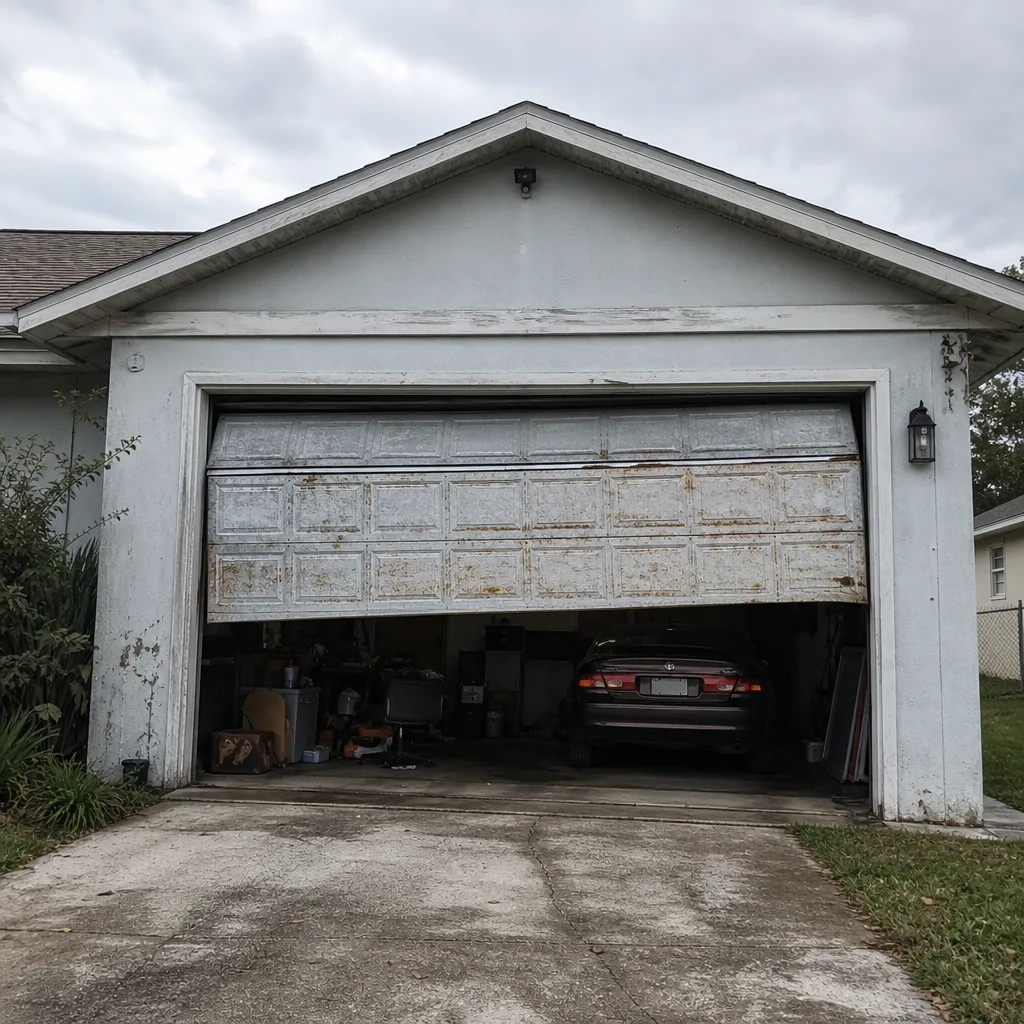
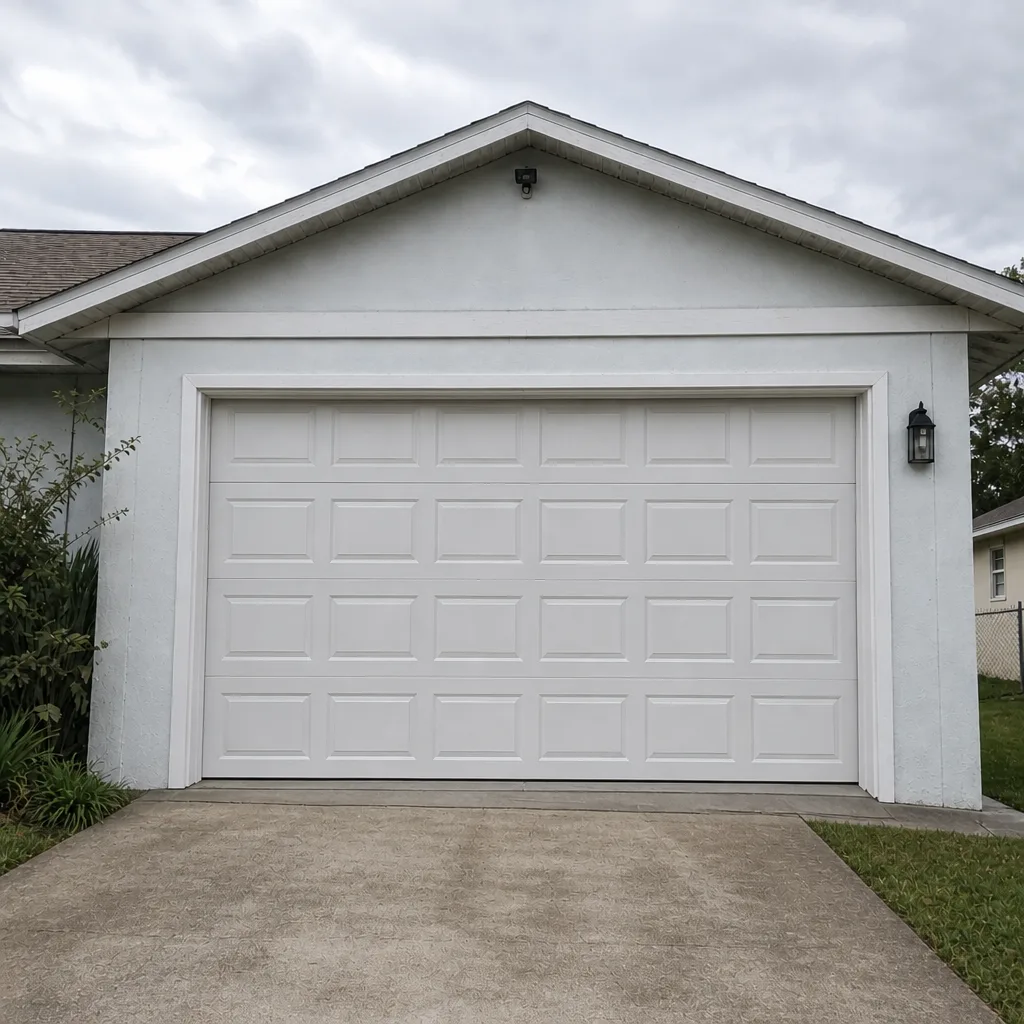
See the difference
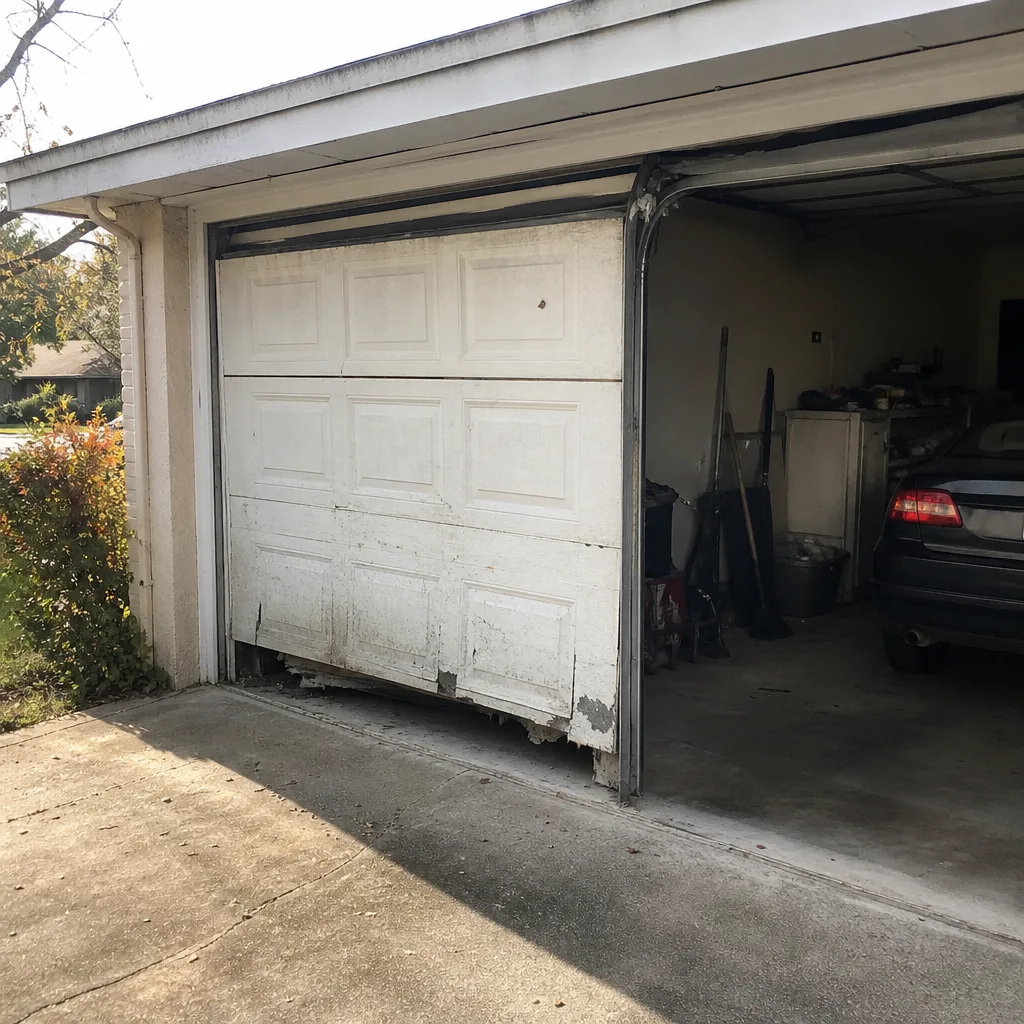 Before
 After
 Before
 After
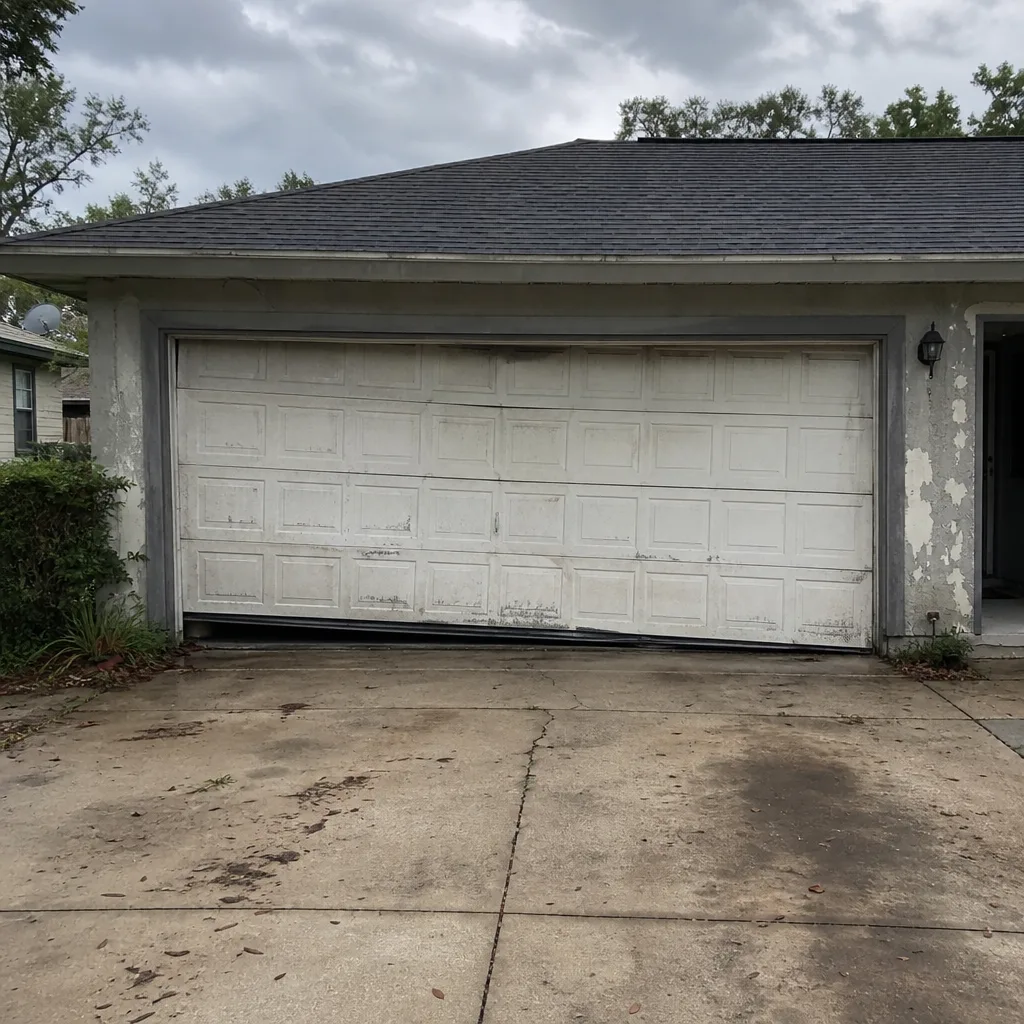 Before
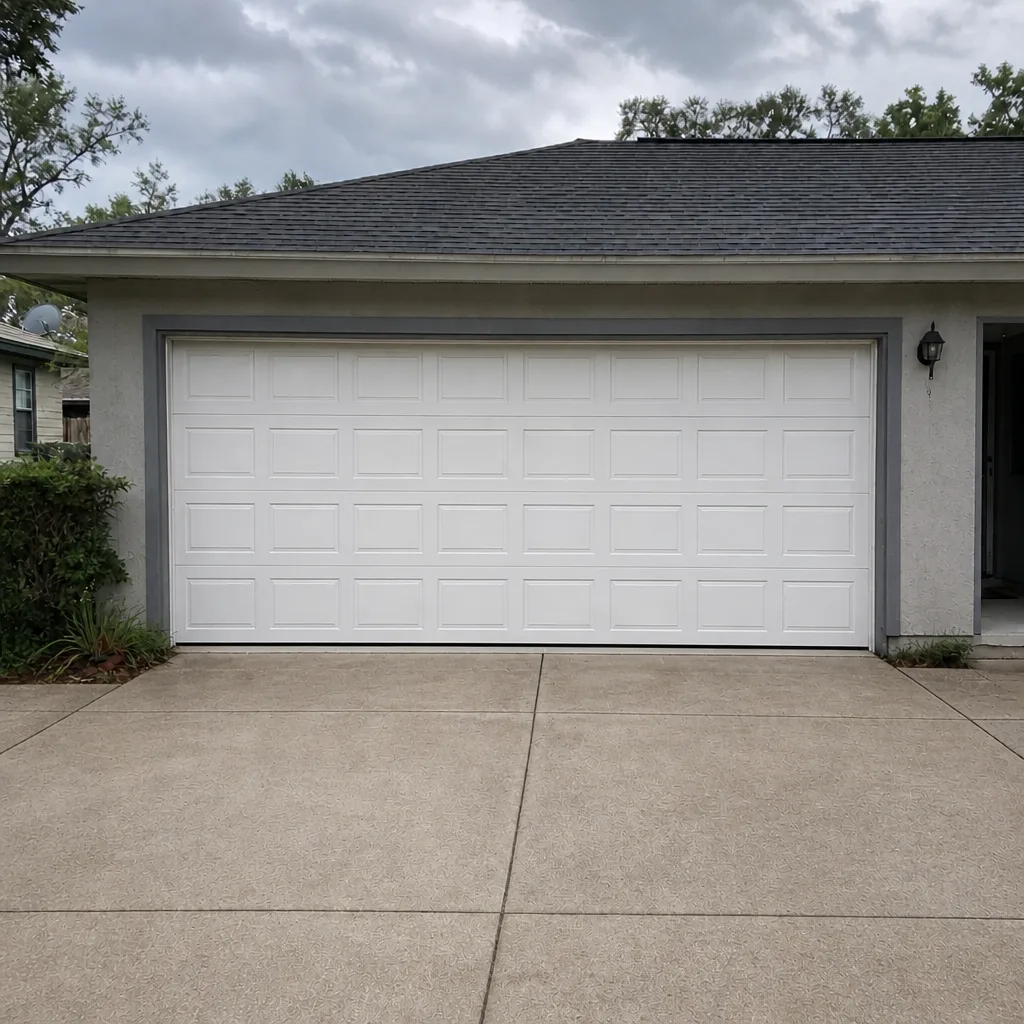 After
When to Call a Professional
Call a professional when the door won’t operate normally and you can’t identify the cause within a couple of minutes. Springs, cables, and openers are all specialist work – the danger and the cost of a misdiagnosis make it worth the call. Call when you’re not sure what’s wrong, or when the door is unsecured and someone needs to be there today. Call when a storm has hit and the door looks even slightly off, even if it still opens and closes.
Don’t call a professional for a remote battery change, a Wi-Fi reconnect on the opener, or a door that’s tight on its tracks because the weather seal needs adjusting. Those are the routine fixes. But a broken spring, an off-track door, a failed opener, or any post-storm damage that changes the way the door moves is specialist work. Spring repair done right, done safely, is what we do.
Plant City Garage Door Repair Pros offers free estimates in Plant City – call (866) 329-6292. We answer 24/7. Fast dispatch from 7am to 7pm, Sunday through Friday.
Frequently Asked Questions
Leave the door closed and don’t try to lift it by yourself. A door with a broken spring is far heavier than it looks, and the second spring on a two-spring setup is now carrying double its normal load. Call for spring repair and, if your car is trapped, arrange another ride while you wait. Call (866) 329-6292 for a free estimate – we answer 24/7.
Run the opener through one full cycle and see if the trolley catches the carriage. If the opener runs but the door doesn’t move, the carriage and trolley aren’t in position to connect. Try opening the door by hand to roughly the same height as the trolley and running the opener again. If it still won’t catch, call for opener repair – the carriage or the opener gear may have been damaged. Call (866) 329-6292 for a free estimate.
Yes, if the door is in good condition and the springs are intact. Pull the manual release cord, lift the door slowly, and lower it the same way. Two adults are safer than one. Don’t do this if the spring is broken, if the door is off its track, or if it feels unusually heavy.
Not if any track is bent, any panel is cracked, or any cable looks frayed. Running the opener on a door in that condition can cause the door to drop or jump the track. Leave it closed and call for an inspection. In Plant City, storm-season calls are a big part of what we handle after a system passes through.
Call a locksmith first if you’re locked out of the home itself. Call a garage door specialist first if the door has failed or the opener is dead and you need the garage door functioning. If you’re locked out and have no other access, a locksmith can open the entry door from the garage to the house, and a garage door specialist can restore the door. If fire, smoke, or a person is trapped, call the fire department before anyone else.
Check the safety sensors first – a misaligned or dirty sensor is the most common cause and it takes two minutes to check. If the door still won’t close, lower it as far as it goes safely, park a vehicle across the opening, and keep exterior lighting on. Don’t force the door or try to re-track it yourself. Call (866) 329-6292 – we can usually get the door secured the same day.
The Bottom Line
Garage door emergencies are a two-track problem. Storm damage and mechanical failures call for different responses, and knowing which one you’re dealing with is the first safe step. The manual release saves you during a power outage – but only if you know how to re-engage it. A snapped spring means the door stays closed until someone trained to handle it shows up. A door that won’t close means securing the opening while you wait. Keep the release cord location committed to memory, keep (866) 329-6292 saved in your phone, and do the small maintenance checks twice a year. That’s the whole protocol.
Call (866) 329-6292 for a free estimate. We answer 24/7. Fast dispatch from 7am to 7pm, Sunday through Friday.
Written by the team at Plant City Garage Door Repair Pros.